Tranmere Rovers 0 Chester 1 (FA Cup 2nd Round) – Dec 13th 1947

1 – Pre-Match

After the 3-1 victory over Bishop Auckland, Chester were paired with fellow Division Three North side and local rivals Tranmere Rovers in the 2nd Round. It was a tough draw against a Rovers team that had shown improved form since the opening weeks of the season. Back in August Frank Brown’s side had secured their only away win of the campaign with a 3-2 victory at Prenton Park thanks to a last minute goal. The bookmakers certainly knew where the smart money should go as Chester were rated at 2,000 to one to win the FA Cup compared with Rovers at a mere 1,000 to one.

From a financial point of view it was considered to be a good draw but, perhaps surprisingly, the game had not been made all-ticket. Prenton Park was estimated to hold between 18,000 and 20,000 and a crowd of 17,359 had already attended their local derby against New Brighton in September. Chester expected a minimum of 3,000 fans to make the short journey to Birkenhead and every available coach in the area had been chartered.

Within the ground Chester had been allocated 140 seats at 3s in the 500 capacity centre stand while the unreserved 1200 capacity wing stand was priced at 2s 6d. The paddock and covered stand behind the goal was priced at 1s 9d and the rest of the ground at 1s 3d.

Only two weeks had passed since the Bishop Auckland game and Tranmere’s confidence was high following a good showing at Halifax when they had recovered from 2-0 down, with just over 20 minutes to go, to draw 2-2. The same could not be said of Chester who had been on the end of a heavy 4-1 defeat at Stockport, regarded as their worst display of the campaign.

The game was scheduled to kick-off at 2pm and in the event of the teams being level after extra time the replay would take place the following Saturday and would be all-ticket.

2 – The Match

The trouncing at Stockport saw Frank Brown make sweeping changes to the team as he pinned his faith on the formation from the previous season. The big change was at centre half where veteran Trevor Walters was restored to the starting eleven with George Williamson taking the place of Frank Marsh at right half and Eric Lee returning to the more familiar role of left half.

There was some surprise at the dropping of Freddie Willcox, and he was replaced at right back by Reg Butcher, who had featured in that position in 1946/47. It was less of a shock to see that Dick Yates had been excluded and his place at centre forward taken by local boy Geoff Coffin. Meanwhile Tommy Astbury had recovered from a knee injury, which had forced him to miss three games, and he returned at the expense of Tommy Best while Harry Colville continued on the left wing.

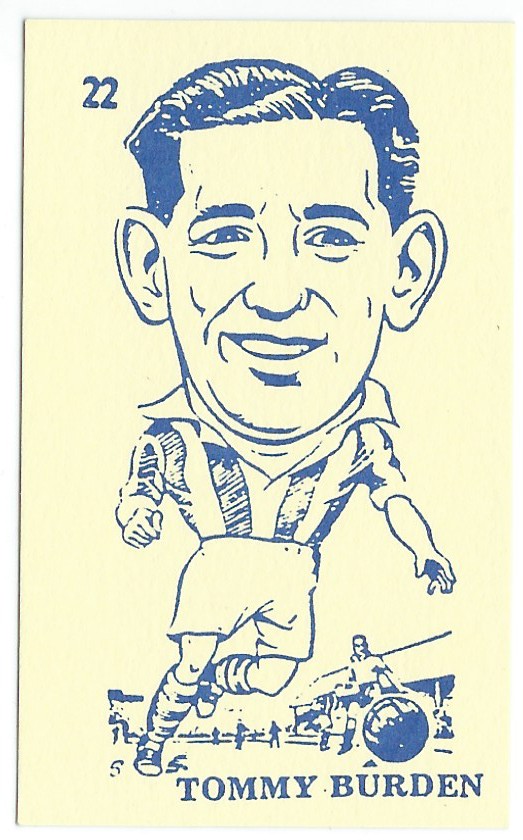
Although Chester travelled to Prenton Park more in hope than confidence the manager’s gamble paid dividends as his side played with some of their old swagger and secured a place in the 3rd Round thanks to a goal from Tommy Burden thirteen minutes from time. While it was not a brilliant game Chester had the majority of possession and fully deserved the victory which was more comfortable than the scoreline suggested.

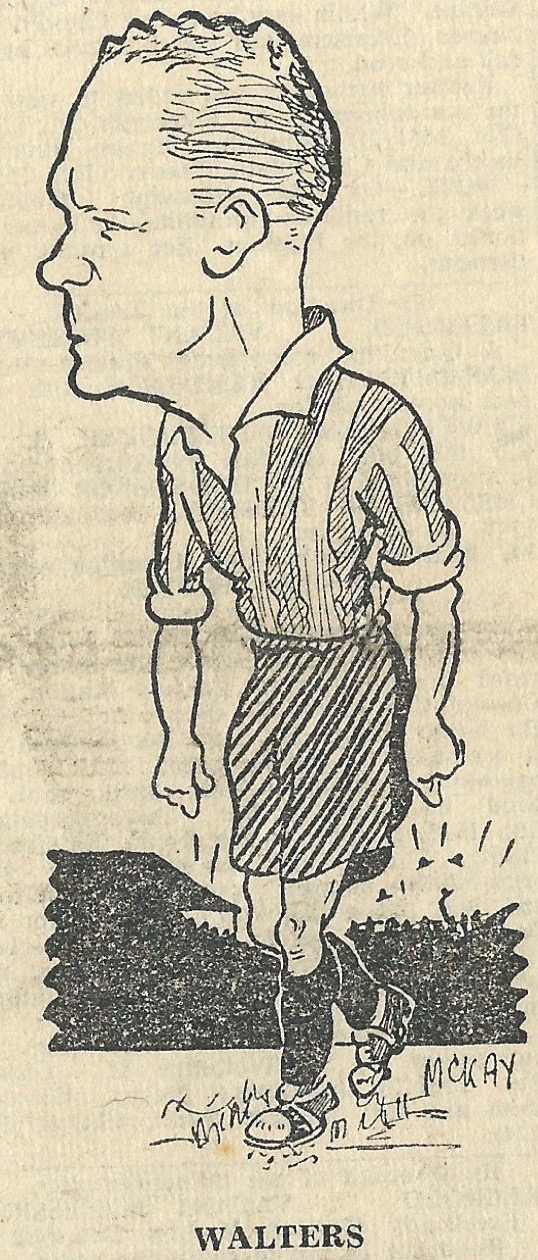
In a game dominated by defences the recall of Walters made all the difference and he stood out as a colossus as the Tranmere forwards struggled to make any headway against his rock-like presence. In addition Williamson proved that he was best suited to the half back role while Lee enhanced his reputation with a superb second-half display. Such was the performance of the Chester defence that Jim MacLaren had little to do in goal and it was only in the closing stages that he was forced into a couple of smart saves.

In the first half Chester’s best chance came when Burden sent a beautifully weighted pass through to Bobby Hamilton and his well-judged cross found Coffin but the young striker’s header was over the bar. On the stroke of half time Williamson almost gave Chester the lead but his header, from a Hamilton corner, passed a few inches wide of the upright.

After the break MacLaren saved well from Bridges while Coffin fired into the side netting and Hamilton shot wide after good work from Burden. The winning goal came in the 77th minute when Lee headed forward and the ball fell to Burden whose shot struck the inside of the far upright and rocketed into the net. Tranmere rallied in the closing stages but the Chester defence held firm and almost added a second but Payne made the save of the match from Hamilton.

Although the vast majority of Chester fans were delighted with the result there was still a small group who demonstrated to the directors after the match about the dropping of certain players.

The victory put Chester into the 3rd Round for the fifth consecutive season and a chance of drawing one of the big clubs from the top two divisions.

Tranmere Rovers – Payne, Johnstone, Connor, Steele, Bell, Malcolm, Harlock, Lamb, Bridges, Leeming, Pollard

Chester – MacLaren, Butcher, McNeil, Williamson, Walters, Lee, Hamilton, Burden, Coffin, Astbury, Colville

Scorer – Burden 77

Attendance – 14,132

3- Post-match

The FA Cup victory vindicated Frank Brown’s team selection and he kept the same lineup for the following game at Oldham Athletic. Unfortunately his side couldn’t repeat the performance and were well beaten 3-1. The match at Boundary Park proved to be the last in Chester colours for Harry Colville after only four Football League appearances and two FA Cup ties. Despite a goal on his debut, ironically at Tranmere, Harry failed to create an impression at Sealand Road although the Chester Chronicle, reporting on the FA Cup tie at Prenton Park suggested that he should be given an extended trial in the first team to “overcome an obviously nervous disposition”. The former Falkirk and Raith Rovers player returned to the reserves where he played a handful of games before being given a free transfer at the end of the campaign.

Harry rejoined his former club Raith Rovers and within 12 months had won a Scottish League Cup runners-up medal and promotion from the Scottish Second Division. Despite appearing as an outside left at Chester Harry’s turn of speed and imposing presence saw him successfully converted to centre half and over the next seven seasons he made 290 first team appearances for the Kirkcaldy club. After returning to Falkirk for a season Harry signed for Dunfermline Athletic where he made 178 consecutive appearances in the centre of defence before retiring at the age of 36. In 1960 he was appointed manager of Cowdenbeath where he remained for four seasons. Away from football Harry proved himself an all-round sportsman by winning the British Curling Championship on three occasions. He died in March 1999.

Jim MacLaren

Another Scotsman, Jim MacLaren, also made his final FA Cup appearance in the Tranmere game. After three league defeats in December he lost his place to George Scales but returned to first team duties in April and retained his position at the beginning of the 1948/49 season. Unfortunately, Jim did not have the best of starts to the campaign and when his error cost two points in a 2-1 home defeat to Darlington he was dropped by Frank Brown and replaced by Scales. In October Chester signed the experienced Ted Elliott from Wolves and it was clear that Jim’s days at Sealand Road were numbered. In November he asked to be put on the transfer list which resulted in a move to Carlisle United at the end of the year. Like Colville the transfer proved to be his making and the Crieff-born keeper went on to make 261 appearances for the Cumbrians including a record breaking run of over 200 consecutive league and cup games from 1950 to 1954. In 1955 Jim was given a free transfer and crossed the border to join Berwick Rangers where he played for a further 18 months. After leaving football he worked as a sales rep in both Scotland and Lincolnshire and died in August 2004.

Man of the Match Trevor Walters was the third player appearing for the final time in a Chester FA Cup tie. The veteran defender had been a stalwart at Sealand Road, having joined the club in 1937, and although he made a further 17 league appearances in 1947/48 he made just a single appearance the following year and joined Caernarvon Town as player-coach in March 1949. He later played for Flint Town.

In April 1948 Trevor was awarded a benefit game against Manchester City, attended by more than 8,000 supporters, the first player to rewarded in this way for more than 40 years. He made a total of 151 league appearances for Chester but this would have been considerably higher had it not been for the war when he served as a Sergeant-Instructor in the army. While based at Aldershot he captained the local team which included guest players like Matt Busby, Joe Mercer and Tommy Lawton. He also served in the Middle East and captained the Wanderers team that featured Tom Finney and Bob Paisley.

For many years he was landlord of the Swan Hotel in Flint and later worked for Hawker Siddeley. He continued to attend Chester home games and died in June 1989.

Opponents Tranmere Rovers faded in the second half of the campaign and, despite a run of five consecutive victories in January and February eventually finished in 18th place in the Third Division North.

Meanwhile Chester’s reward was an away trip to London in the 3rd Round and a first ever trip to Crystal Palace.

Copyright ©  http://www.chesterfootballhistory.com All Rights Reserved

Chester 3 Bishop Auckland 1 (FA Cup 1st Round) – Nov 29th 1947

1 – Pre-Match

For the first time since the 1934/35 season Chester were drawn against non-league opposition in the 1st Round of the 1947/48 FA Cup. Bishop Auckland were one of the most famous names in amateur football having won the Amateur Cup on seven occasions and the Northern League nine times including the previous campaign.

The tie, against a team unbeaten in the league, was considered one of the most attractive games of the round and it was not an easy proposition for Chester who had failed to recapture their form from the previous season. They also had three key players on the injury list with goalkeeper George Scales and forwards Tommy Astbury and Phil Turner all set to miss out.

One of the major concerns for Chester was the loss of form shown by Dick Yates. The centre forward had scored 36 goals during the previous campaign but had only managed one prior to the FA Cup tie and that had been in the first game of the season against Oldham. The previous Saturday Frank Brown’s side had lost by a single goal at Accrington Stanley when, despite having the majority of possession, they had failed to create many scoring opportunities.

The Bishop Auckland team, comprising of school teachers, steelworkers, electricians and clerks, arrived in Chester the day before the game and stayed at the Queen Hotel. The Chronicle reported that they were hopeful of securing a draw and their secretary, Kit Rudd, was quoted in the same paper as saying: ” We have a very good amateur side and we shall fight very hard.”

The game was scheduled to kick-off at 2pm with a new ruling meaning that their would be 30 minutes extra time if the game finished all square after 90 minutes in order to obviate the necessity of mid-week replays.. If a replay was required it would take place the following Saturday.

2 – The Match

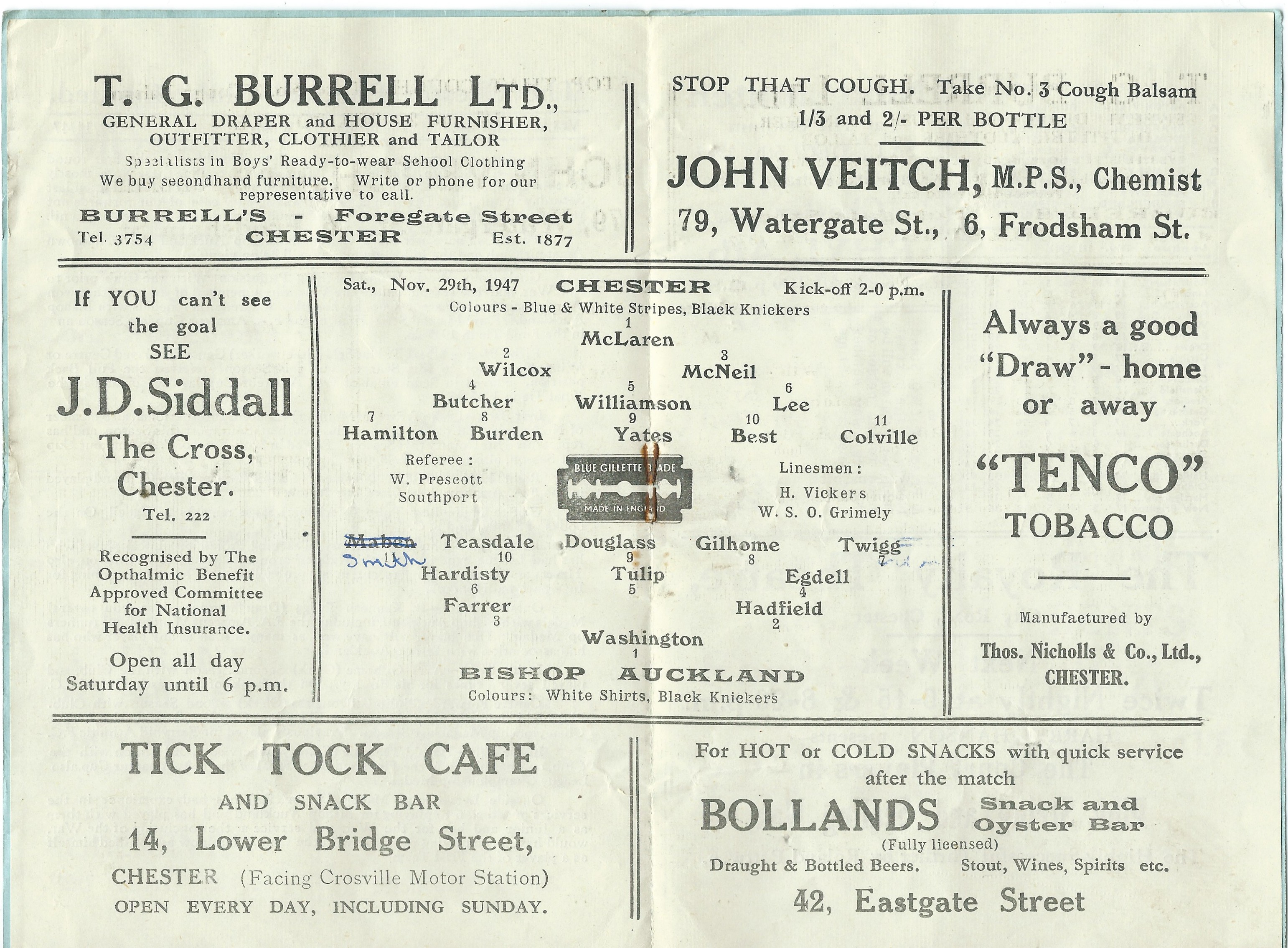
The Chester team lined up with one change from the Accrington defeat with winger Joe Brown replaced by former Raith Rovers player, Harry Colville who had been playing centre forward for the reserves. Another Scot, Jimmy MacLaren, continued to deputise for George Scales in goal while Eric Lee returned to right back in a straight swap with Tommy Burden who moved to inside right as Tommy Astbury failed to recover from his knee injury.

The conditions for the game were not conducive to good football with a soft surface covering very hard ground underneath.

Chester got off to a perfect start and took the lead in the 12th minute when Dick Yates played a beautiful pass to Bobby Hamilton who beat Farrer twice before his cross-cum-shot found Yates who applied the finishing touch. In fact the centre forward should have scored before this but, when put clean through, his shot was blocked at close range by Washington

On the half hour mark the lead was extended but there was large element of doubt about the goal. Colville played a perfect ball through to Tommy Burden whose shot struck the inside of one post, bounced across the goal and was fielded by Washington. However the linesman ruled that the ball had crossed the line and a goal was given. There were no protests from the sporting visitors. Three minutes before the interval the Bishops pulled a goal back when Farrer scored from the penalty spot after Colville had been adjudged to have fouled Twigg although the decision looked harsh. On the stroke of half time Colville had the chance to make amends but he blazed over the bar with the goal at his mercy.

The goal spurred on the visitors, who were well backed by 10 coach loads of supporters, and for the first 20 minutes of the second half it looked as though they might snatch an equaliser. Nevertheless the best chance fell to Yates who headed wide of the upright from a Washington clearance. At the other end Douglass shot wide of the upright before Yates wrapped the game up in the 78th minute with a great shot from Reg Butcher’s excellent pass. The strike showed some of the hallmarks of one of his goals from the previous season. The match finished with Bishops almost scoring a second but Douglass’ well-struck shot was brilliantly saved by MacLaren.

It had been a mediocre display from Chester. They had just about deserved their victory but the visitors came out of the game with a great deal of credit. Man of the Match by some distance was Bishops’ left-half Bob Hardisty, who was competing with Eric Lee for a place in the England amateur team. The 26 year old school teacher put in an energetic performance and, according to the Chronicle reporter, his accurate passing along the ground made the Chester half-backs look shoddy by comparison.

The Cheshire Observer felt that the difference between the sides was the Chester defenders who proved to be too strong for the opposing attackers. While MacLaren dealt with everything that came his way he was ably assisted by full backs Freddie Willcox and Dave McNeill who both put in whole-hearted displays and were fast in the tackle. However, the home forward line was less impressive and looked disjointed. Although outside right Bobby Hamilton had one of his best games Colville was disappointing on the other wing. The two Tommys, Best and Burden, performed ‘quite well’ while Yates showed some glimpses of his old self and it was hoped that his goals would help increase his confidence.

Chester – MacLaren, Willcox, McNeil, Butcher, Williamson, Lee, Hamilton, Burden, Yates, Best, Colville

Scorers – Yates 12, 78 Burden 30

Bishop Auckland – Washington, Hadfield, Farrer, Egdell, Tulip, Hardisty, Twigg, Gilhome. Douglass, Teasdale, Smith

Scorer – Farrer pen 42

Attendance – 8,300

3- Post-match

Despite scoring two goals this proved to be the final FA Cup match in Chester colours for Dick Yates. The Queensferry born striker played in the next league game against Stockport County but was surprisingly transferred to Wrexham for a four figure fee in December, The move provided instant dividends for the centre forward as he scored a hat-trick in his debut for the Reds against Halifax. He went on to play for New Brighton in the Football League before turning out for Flint Town United, Colwyn Bay, Bethesda Athletic and Connah’s Quay. He later worked as a petrol pump attendant at John Summers Steelworks and died in 1976.

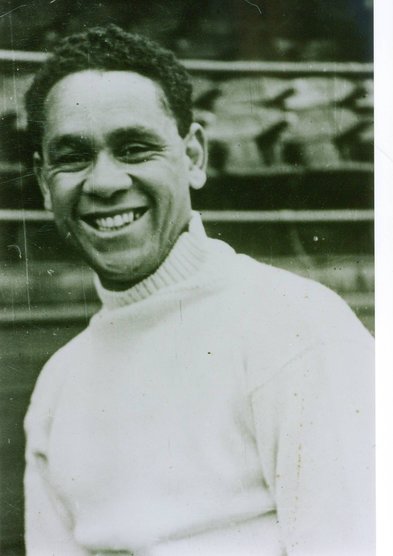
Tommy Best – 1947

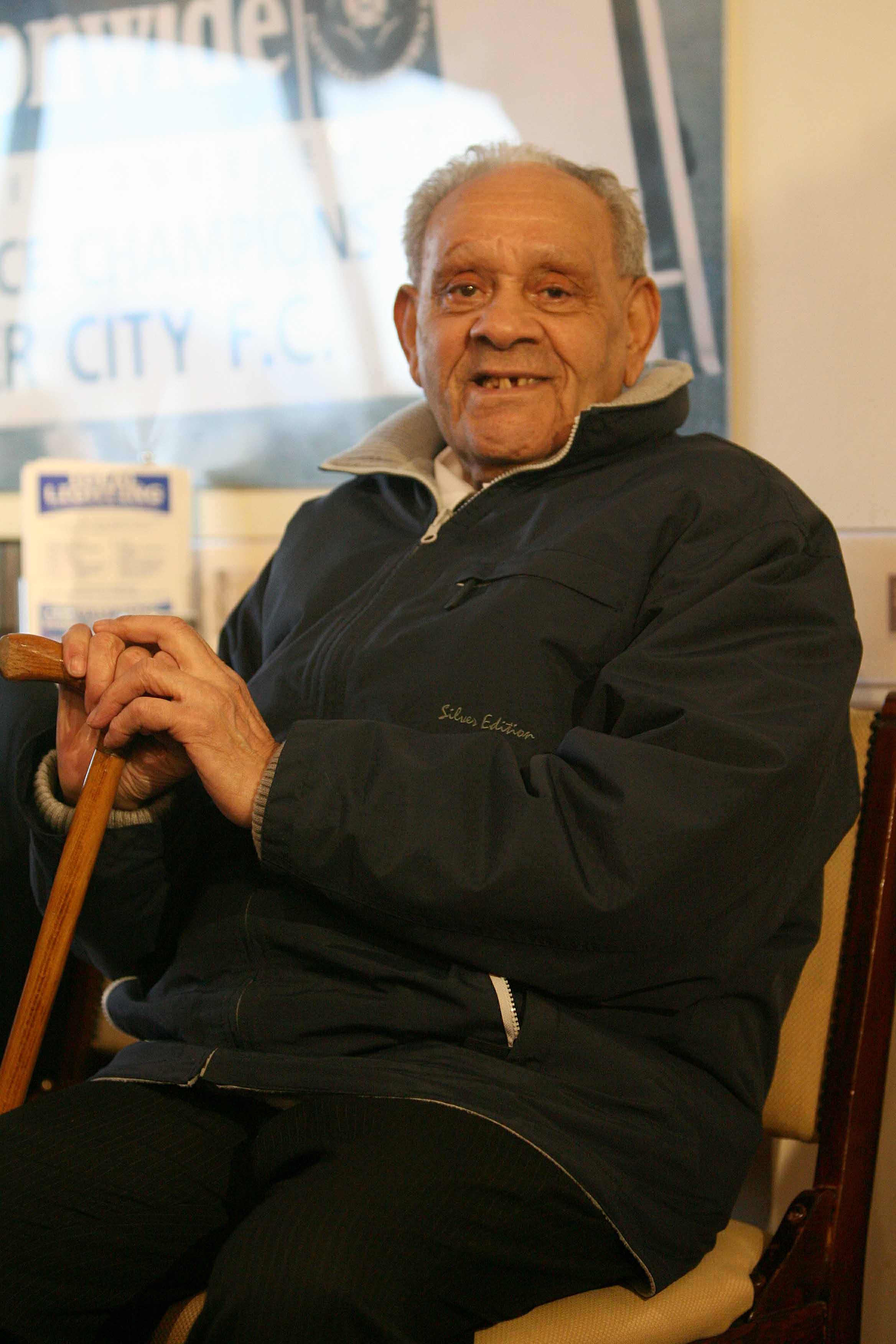
It was also the final game for fellow striker Tommy Best who was unfortunate to miss the rest of the cup run. The first coloured player to represent Chester in the Football League Best ended the campaign as Chester’s second highest scorer behind Tommy Burden with 10 goals in 30 league games. By the start of the following season he was attracting the attention of bigger clubs with Cardiff, Blackburn and Blackpool all interested in signing him. In the end he opted to join Cardiff City and Chester received £7,000 for his services. After a season at Ninian Park he signed for QPR in 1949 but only made 12 appearances, scoring three goals before moving into non-league football with Milford Haven. This was followed by a successful three seasons at Hereford United and then 18 months at Bromsgrove Rovers. After leaving football he worked as a baker for Mother’s Pride. In February 2009 he made his first visit to Chester in 60 years when he was a guest at the game against Gillingham. Tommy died in September 2018 at the grand age of 97.

Tommy Best – Feb 2009. (photo Fraser Bird/Chester Chronicle

Opponents Bishop Auckland went on to have another successful season in the Northern League and finished as runners-up as well as reaching the semi-final of the Amateur Cup. Bob Hardisty, who had such an impressive game, went on to play alongside Eric Lee in the Great Britain team in the 1948 Olympics.

The draw for the 2nd Round handed Chester an intriguing away tie at local rivals Tranmere Rovers.

Copyright ©  http://www.chesterfootballhistory.com All Rights Reserved

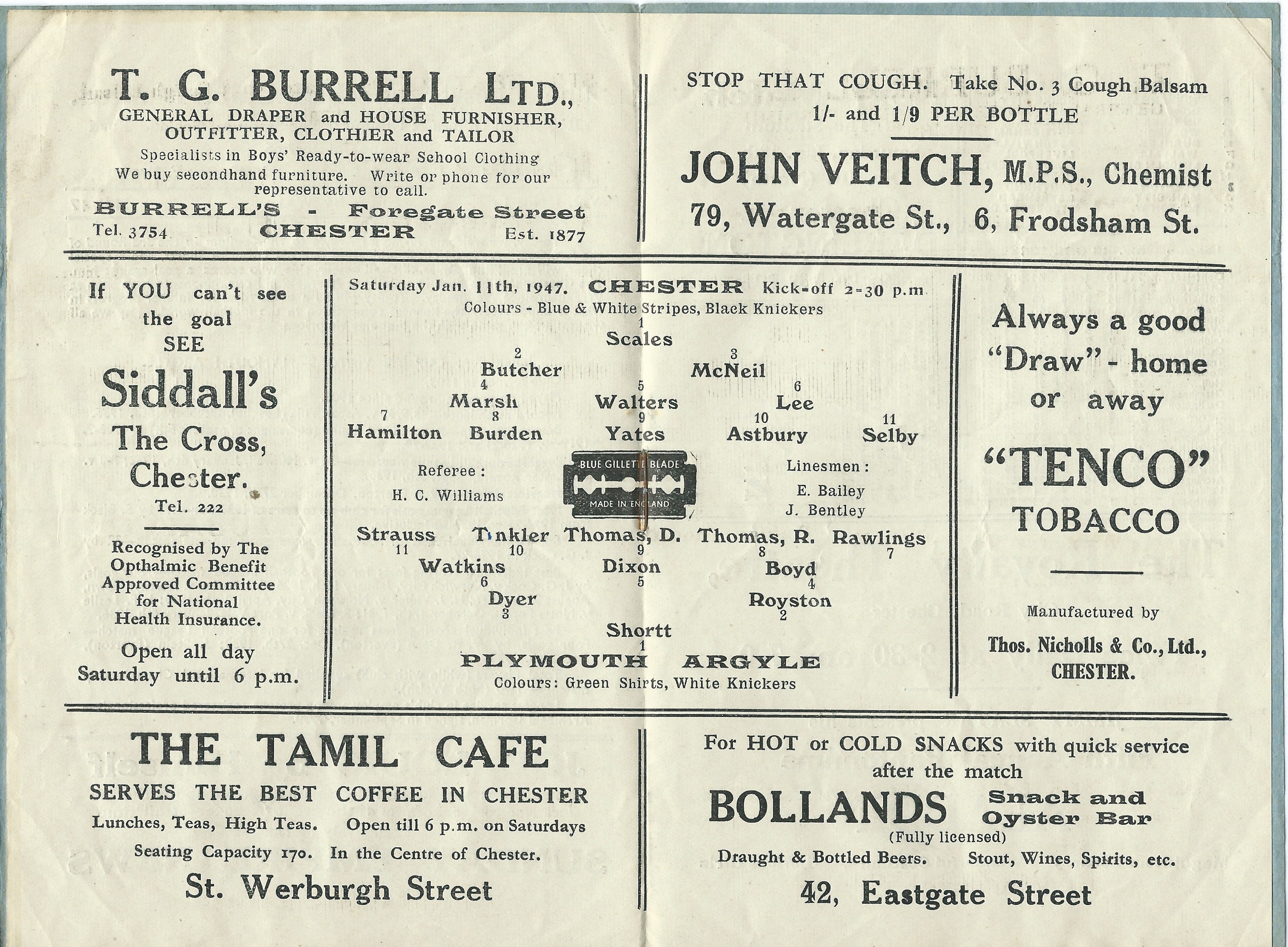
Chester 2 Plymouth Argyle 0 (FA Cup 3rd Round) – Jan 11th 1947

1 – Pre-match

Chester started their first post-war FA Cup campaign at the 3rd Round stage having been one of only three clubs from the Third Division North and South to be given a bye. This was a result of their success in the 1938/39 season when they reached the Fourth Round and took 2nd Division Sheffield Wednesday to three games.

The draw matched Frank Brown’s side with 2nd Division Plymouth Argyle who were making their first ever visit to Sealand Road. Chester had started the season in excellent form with 14 wins in their first 18 matches but a mini slump of three defeats in the previous five league games had seen them lose ground on Doncaster Rovers at the top of the 3rd Division North.

Argyle’s results had also declined in the month preceding the tie and they had a poor away record having only won one out of 11 away games. However they still retained the distinction of having scored in every league match. The recent slide had partly been attributed to the loss of injured goalkeeper Bill Shortt, who was reported as being the one consistent member of their back three. The Wrexham born keeper had been a butcher’s boy in Hoole and after playing for Hoole Alex. became a regular for Chester in wartime football. After being stationed with the Army in Devon he also played wartime football for Argyle and then represented them in the transition 1945/46 season. In summer 1946 he signed for Plymouth for £1,200 . The Welshman was expected to be fit for the tie having returned to the side the previous week in a 4-1 win over Sheffield Wednesday which halted a run of five consecutive defeats.

Plymouth goalkeeper – Bill Shortt

Chester prepared for the tie by spending a week training at Abergele on a diet of sherry, milk and eggs. All the players were present with the exception of Bobby Hamilton, Tommy Burden, Eric Lee and Reg Butcher.

The Chester Chronicle report of the get-together makes interesting reading. The party travelled down to the North Wales coast on Monday where they went for a brisk walk on the promenade before tea and then attended the pantomime in Rhyl before another promenade walk. The following day they trained on the beach in the sleet and rain before a game of golf in the afternoon. On returning to the hotel they were joined by Dick Yates who had got married the previous day. The evening was spent at the cinema in Rhyl.

Wednesday saw a more intensive round of training at the Abergele FC ground before a seven mile walk in the afternoon and another visit to the cinema in the evening. The following morning was devoted to sprinting in the morning before a walk in the afternoon and then a whist drive organised by Abergele Supporters Committee in the evening. Friday was intended for relaxing and the party returned to Chester on Saturday morning for lunch at the Albion Hotel before the game.

Plymouth made the long journey north on the Wednesday before the game and based themselves at the Wynnstay Hotel and trained at Wrexham.

Chester were confident before the game and captain Trevor Walters thought that Plymouth would be beaten quite easily noting that although they had a strong attack the defence wasn’t great. Manager Frank Brown was not so forthright with his comments stating in the Cheshire Observer that:

We realise that we are up against a good Second Division side and that our task is not an easy one. Having ground advantage, I’m certain we will win, but in cup football anything can happen.”

Although Plymouth manager Jack Tresadern though that his team would be good enough to reach the 4th Round it seems that the Plymouth supporters were not so confident and their league form did not inspire them to believe that it would be an easy victory despite their higher ranking. The general feeling was that Argyle would be satisfied with a draw.

Cup fever had gradually overtaken supporters and after the quick sale of the stand tickets there had been such a rush for the 15,500 ground tickets that a further 500 had been printed and an attendance of 17,700 was expected. A week before the game it was noted that although the majority of the 2s tickets had been sold there were still some available at Milton’s and Cestrian Electrical Co in Northgate Street, Upton Post Office and Upton’s in Handbridge. This figure fell short of the record attendance of 18816, against Sheffield Wednesday in the FA Cup 3rd replay in January 1939, and it was reported that ticket-holders would be ‘comfortable’.

Secretary Billy Peters had done everything possible to ensure that the crowd could be handled smoothly and an additional 12 crush barriers had been installed on the Kop. Additional parking had been organised in the field opposite the greyhound track entrance in Sealand Road and arrangements had been made for buses to unload passengers in Gladstone Avenue and then pick them up outside the ground after the match. Milton’s radio van was also scheduled to be positioned outside the ground to direct the fans and help the police with traffic control.

An appeal was made for spectators to “pack well together’ and obey the stewards instructions while the 21 turnstiles were scheduled to open at 12:45 for a 14:30 kick-off.

2 – The Match

Chester entered the game with only one change from their regular line-up. Right winger Jackie Arthur had picked up an ankle injury in the Christmas Day game against Rotherham United and this had not responded to salt water treatment. Therefore Bobby Hamilton had been switched to the right wing with Hoole amateur Dennis Selby given his chance on the left wing for only his fourth first team appearance.

The game was played in a typical FA Cup atmosphere and a splash of colour was imparted by Chester mascot Mickey Moran who was dressed from head to foot in blue and white. He paraded around the ground before the match, rallying support and before kick off caused “a roar of amusement” by solemnly kissing the ball and placing it on the centre spot.

A thrilling cup-tie full of exciting incidents could have opened with a goal for either side in the first minute. First of all Syd Rawlings cross was met by Bill Strauss who fired fractionally wide of the home upright. Almost immediately the returning Bill Shortt misjudged a cross from Bobby Hamilton which hit the top of the bar with Dennis Selby unable to convert the rebound. It proved to be only a temporary respite for Pl;ymouth as Chester took the lead in the fifth minute when Dick Yates headed down to Tommy Astbury who advanced before unleashing an unstoppable shot past Shortt.

Tommy Astbury – Scorer of the first goal

The goal prompted a response from Plymouth who put the City defence under severe pressure as left back Dave McNeil struggled to cope with the dangerous Rawlings and both Dave and Richard Thomas came close for the visitors. Fortunately for Chester the Argyle forwards were unable to capitalise on the chances created by the wingers while man of the match Trevor Walters was outstanding in marshalling his defence.

The last 20 minutes of the first half proved to be all Plymouth and they had a penalty claim turned down but Chester almost scored a second when Tommy Burden’s header from an Eric Lee free kick hit the underside of the bar and was scrambled away by the Plymouth defence. Despite Argyle’s pressure City held on to hold a 1-0 lead at half time

The second half had barely started when the Pilgrims had a golden opportunity to equalise An attack down the left wing saw Bill Strauss hit the crossbar and when the ball fall to Dave Thomas a goal seemed inevitable. However, from no more than five yards out, the centre forward took a wild kick and fired into the Kop. The failure to take this chance proved to be a turning point in the game and Chester gradually took control of the game and began to outplay their 2nd Division opponents. Shortt saved well from both Lee and Frank Marsh while there were opportunities for Astbury and Tommy Burden before City extended their lead in the 62nd minute.

A punt upfield by Selby was chased by Burden who outpaced the Argyle defenders and although Shortt raced out it was the Chester number eight who reached the ball first and rounded the goalkeeper before shooting into an empty net for a fine finish.

Tommy Burden – 2nd Goalscorer

Chester continued to pile on the pressure but Shortt was safe in the Plymouth goal and it was only in the last 10 minutes that the visitors got back into the game. In the closing minutes George Scales made two spectacular saves from Dave Thomas despite suffering from an injury which saw him limping while Burden also picked up a knock which saw him leave the field for a short time.

In a game that was in the balance for large periods the Chester defence were the stars of the show with Walters, in particular, and Marsh the pick of the eleven. Meanwhile the Argyle defence struggled under pressure and it was reported that the score might have been more convincing had the Chester wingers Hamilton and Selby been more proficient on the day.

Chester – Scales, Butcher, McNeil, Marsh, Walters, Lee, Hamilton, Burden, Yates, Astbury, Selby

Scorers – Astbury 5, Burden 62

Plymouth Argyle – Shortt, Royston, Dyer, Jones, Dixon, Boyd, Rawlings, R Thomas, D Thomas, Tinkler, Strauss

Attendance – 18,000

3 – Post match

Victory over Plymouth earned Chester an attractive 4th Round home tie against Stoke City and Stanley Matthews.

The attendance was reported by the Cheshire Observer as around 17,000 but as 18,000 in the Chester Chronicle with gate receipts of £2000. Given ticket sales it seems likely that the figure was somewhere in between but it fell short of the 18,816 who had been at the Sheffield Wednesday tie eight years earlier.

Amateur left winger Dennis Selby only played two more first team games and three Cheshire County League matches before joining Altrincham in the summer. Born in Broughton he died in 1969.

Bill Shortt went on to make 374 appearances for Argyle in all competitions making him their 16th ranked player in terms of games played before retiring in 1956. He was also capped by Wales on 12 occasions between 1947 and 1953. He went on to become a publican in Devon and was awarded a benefit match by Plymouth in 1985. He died in 2004.

Bill Shortt Benefit Match

Plymouth finished the season in 19th position in Division 2.

This was the first of four FA Cup ties between the sides. In 1993/94 Chester were beaten 1-0 at Home Park while the two sides also met when the Blues were in the Conference in 2000/01. On the latter occasion Chester were once again the giant killers winning 2-1 at Plymouth after a 1-1 draw at the Deva Stadium.

Copyright © 2019 http://www.chesterfootballhistory.com All Rights Reserved
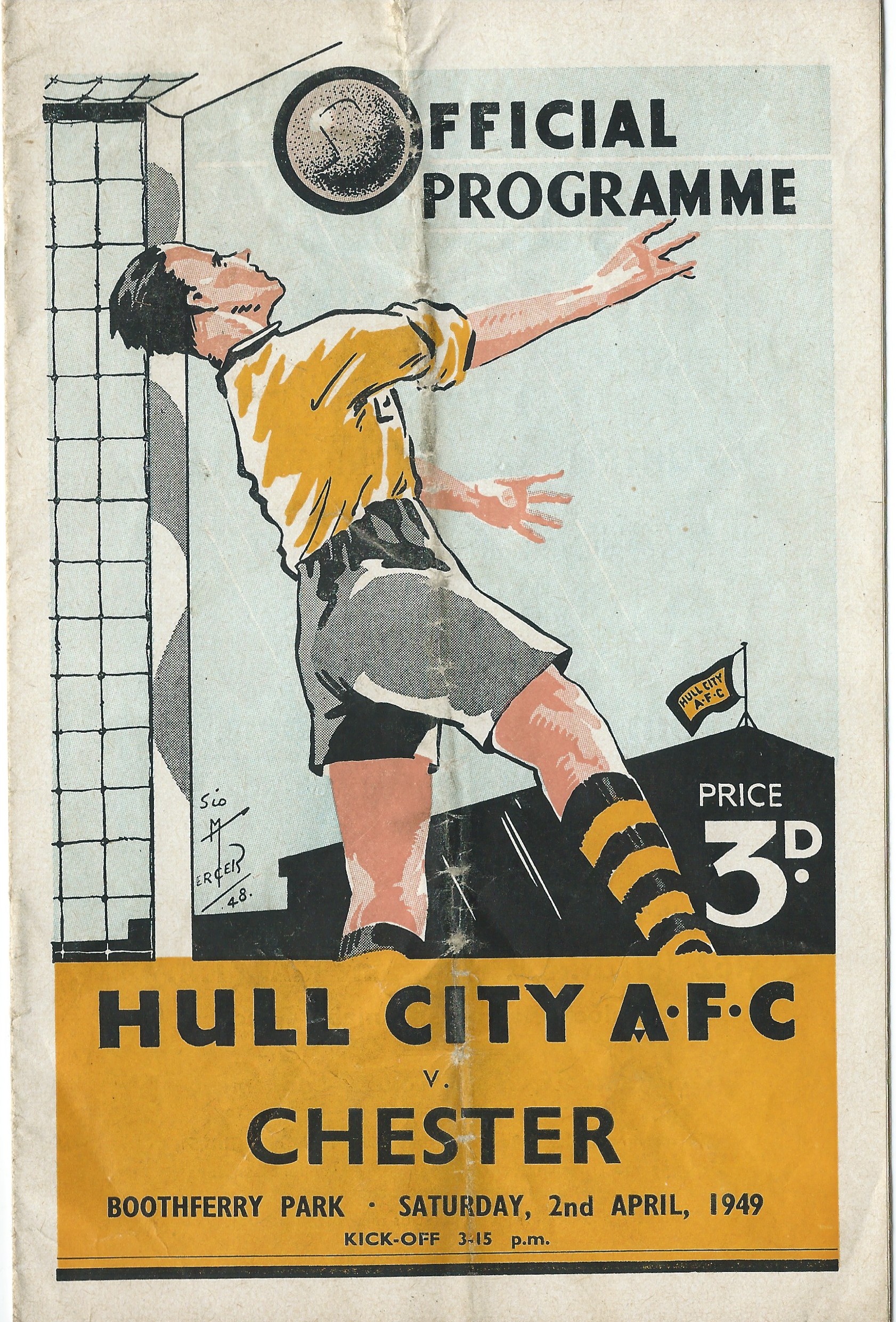
Featured Match 1 – Hull City 3 Chester 2 (Div 3 North) – Apr 2nd 1949

Seventy years ago today Chester played in front of their largest ever league attendance when 36,167 spectators attended their Division Three North fixture at Hull. Although there have been larger crowds for cup games, most notably 47,632 for the League Cup semi-final at Aston Villa in 1975 and 45,660 for the FA Cup 3rd Round tie at Manchester United in 1965, this is a record for a Chester league game. 

At the time Hull stood top of the league and were heading for promotion to Division Two while Chester were 16th although they had dropped another two places by the end of the campaign. Amazingly this was not Hull’s largest attendance of the season as they had several crowds above 40,000 with a peak of 49,655 for the Boxing Day match against promotion rivals Rotherham United.

The game itself proved to be a thriller with Chester twice taking the lead through Joe Davies and Albert Burgess before the Tigers fought back to win the game 3-2.

As for home games, the record attendance for a cup game was 20,378 for the FA Cup 3rd round replay against Chelsea in January 1952. In the league, 16,835 attended the February 1933 local derby at Sealand Road when Chester faced Wrexham in the 3rd Division North.

Hull City – Bly, Fowler, Taylor, Greenhalgh, Meens, Mellor, Harrison, Jensen, Moore, Buchan, Burbanks

Scorers: Jensen 37, Moore 66,76

Chester – Elliott, Butcher, McNeil, Beaumont, Lee, Astbury, Davies, Burgess, Foulds, Westwood, Forsyth

Scorers: Davies 35, Burgess 53

Attendance: 36,167

Copyright ©  http://www.chesterfootballhistory.com All Rights Reserved

Charlie Hewitt – management 1930s style

A look through the minutes of the meetings in the 1930s ledger turned up some interesting information about the club. From my point of view the most fascinating revelation was Charlie Hewitt’s position at the club.

Hewitt’s job title at Chester was secretary-manager but I never appreciated how this role worked. Certainly I envisaged him as primarily a football man who handled some of the administration. However, the meeting minutes shed a different light on affairs and it seems that the balance was tilted more towards the running of the club than I imagined.

Charlie Hewitt

Charlie Hewitt

Hewitt was born in the north-east in 1884 and had an unremarkable football career spending short periods with Middlesbrough, Tottenham Hotspur, Liverpool, West Bromwich Albion, Crystal Palace and Hartlepools United. He took his first managerial role at Mold before spells in charge at Wrexham, Flint and Connah’s Quay. He became Chester’s first manager in 1930 and lead them into the Football League in 1931 after an incredible season in which they scored 170 goals in the Cheshire County League and finished runners-up to Port Vale Reserves. The season was notable for the quality of players attracted to the club with Chester taking advantage of the loan system and bringing in experienced Football League players like Arthur Gale, Frank Creswell and Dave Morris.

The minutes show that Hewitt spent a lot of time scouting for players and he would make transfer recommendations to the board but when it came to selecting or organising the team his input was more limited. I had read in the past that his philosophy was to find the right man for the right position and that seems to be the key to his success at Chester. He didn’t believe in using confusing tactics or giving a player a role for which he had no experience and as far as he was concerned it was a matter of getting the team forward to score goals in as straightforward a fashion as possible. Hewitt employed a number of trainers, like Jock Simpson and Hughie Ross, whose main job was to get the players fit, but on reflection I wonder how significant it is that in the majority of team groups in On The Borderline it is the trainer rather than Hewitt who appears in the team photograph.

In those early Football League days Chester employed a selection committee and this seems to have caused some conflict between Hewitt and the board of directors. An example of this can be seen in October 1933 when the committee met to select the team against Stockport. The minutes report that Hewitt recommended Gerry Kelly play in place of Sammy Armes who had picked up an injury but the selection committee was divided on who to select and in the end it was resolved to refer the position of outside right to the full board of directors which must have been extremely frustrating for Hewitt.

In the end Kelly played and scored with Chester drawing 1-1 but this coincided with a run that saw the club win only two of the first 12 games of the season. In a meeting at the end of October one of the directors expressed his view that the club would only start to win matches when the board accepted the selection recommendations of Hewitt. The secretary-manager certainly made his opinions known when he told the board where he thought the problems rested saying that Kelly would not make a centre-forward due to his not liking the position. He also suggested other changes in the starting line-up stating, amongst other things, that he was dissatisfied with the play and captaincy of Harry Skitt and accusing Frank Cresswell of malingering.

The situation appears to have been partially resolved the following week when the board agreed to cease with a selection committee and act on the recommendations of the secretary-manager. Although this seemed to place more power in the hands of Hewitt it still left the final decision with the board as can be seen when the decision to select Skitt against Darlington a few weeks later was passed by a vote of six to three.

In fact it could be argued that the board were often in a better position to judge current form than Hewitt who often appeared to be on scouting missions. In his time at Millwall (where he became manager in 1936) it was noted that he was rarely seen on match days which seemed to continue the trend he began at Sealand Road. Interestingly, when he took up the managerial position at Millwall, he insisted on having full control of affairs which is something he did not get at Chester.

A perfect example of Hewitt’s approach to match days can be seen in September 1933. While the first eleven were chalking up an impressive 3-0 win at Wrexham the secretary-manager was with the reserves at Stockport. In fact, even in games when Hewitt was present, he did not maintain control of the team and one of the resolutions in the minutes states:

“..during progress of any game, home or away, Directors present in charge or Sec-Manager be and is hereby empowered to make such positional changes as thought necessary.”

Clearly Hewitt was heavily involved in transfer activity but he also appeared to run all the day to day operations at the club. He was a trained accountant, in charge of all the financial books, as well as handling matters like ticket and travel arrangements, insurance and advertising. In June 1933, the board registered appreciation for Hewitt on his book-keeping and accountancy skills.

In these days of performance related payments it is notable that, at one board meeting, Hewitt requested that he be paid commission on the advertising in the ground as well as a percentage of any transfer fee received. This request seems to have been initially ignored but when it was brought up again at the end of the year the board agreed to his request for a percentage of the advertising revenue but, at least initially, turned down the transfer fee proposal much to Hewitt’s dissatisfaction.

When the secretary-manager moved to Millwall in 1936 he was replaced as manager by Alex Raisbeck with clerk Billy Peters took over the role of secretary.

Hewitt himself had a big impact when he first moved down to London taking Millwall to the semi-final of the FA Cup followed by the Division Three South title the following season. However, his time at the Den ended in disgrace when he was suspended for six months for making illegal payments to players before being sacked soon afterwards in 1940. After serving with the Royal Navy during the war he returned to football as Leyton Orient manager in 1946 but resigned less than a year later after a disagreement about signing players. Although he was reinstated at Orient he, perhaps surprisingly, returned to Millwall in August 1948 after two undistinguished seasons at Brisbane Road.

He was less successful in his second spell at Millwall and his autocratic style did not go down well as the team struggled. An abrasive character he was sacked in Janaury 1956 and it was reported that the players were so relieved by his departure that most of them went out for a celebratory drink together.

In the 1960s Hewitt made an unsuccessful attempt to join the board of directors at Chester and died shortly afterwards, in Darlington, in December 1966.

Charlie Hewitt’s time at Sealand Road proved to be one of the club’s most successful periods but his role incorporated activities not normally associated with today’s football manager. His talent seems to have revolved around wheeling and dealing in the transfer market rather than team selection and tactics. This approach would explain why very few local players made a breakthrough into the first team in his time in charge. Conversely his influence off the field appears to have been much greater than expected at a time that Chester were making the transition from the Cheshire County League to the Football League.