A Study of a Soccer Club – 1963

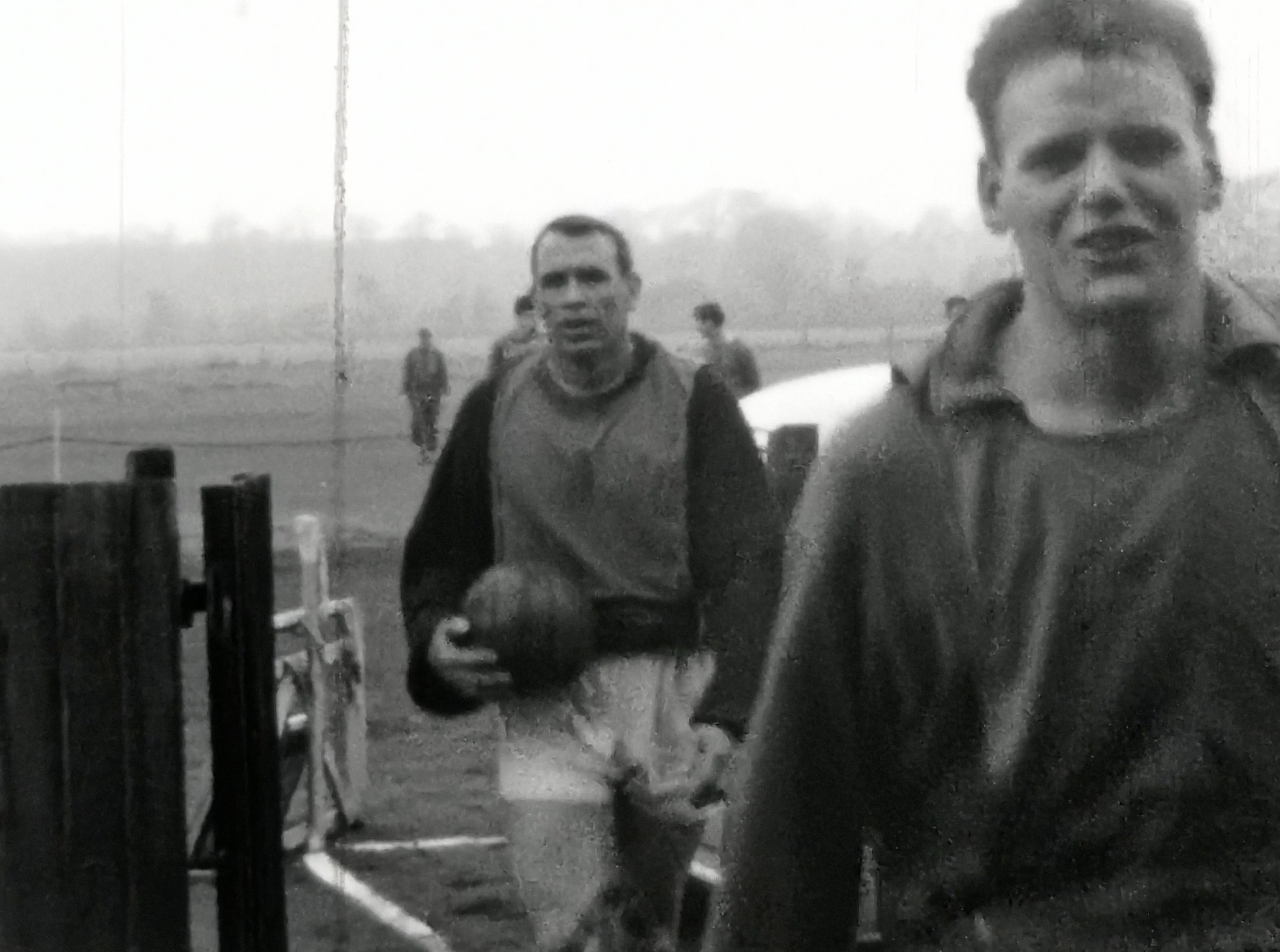
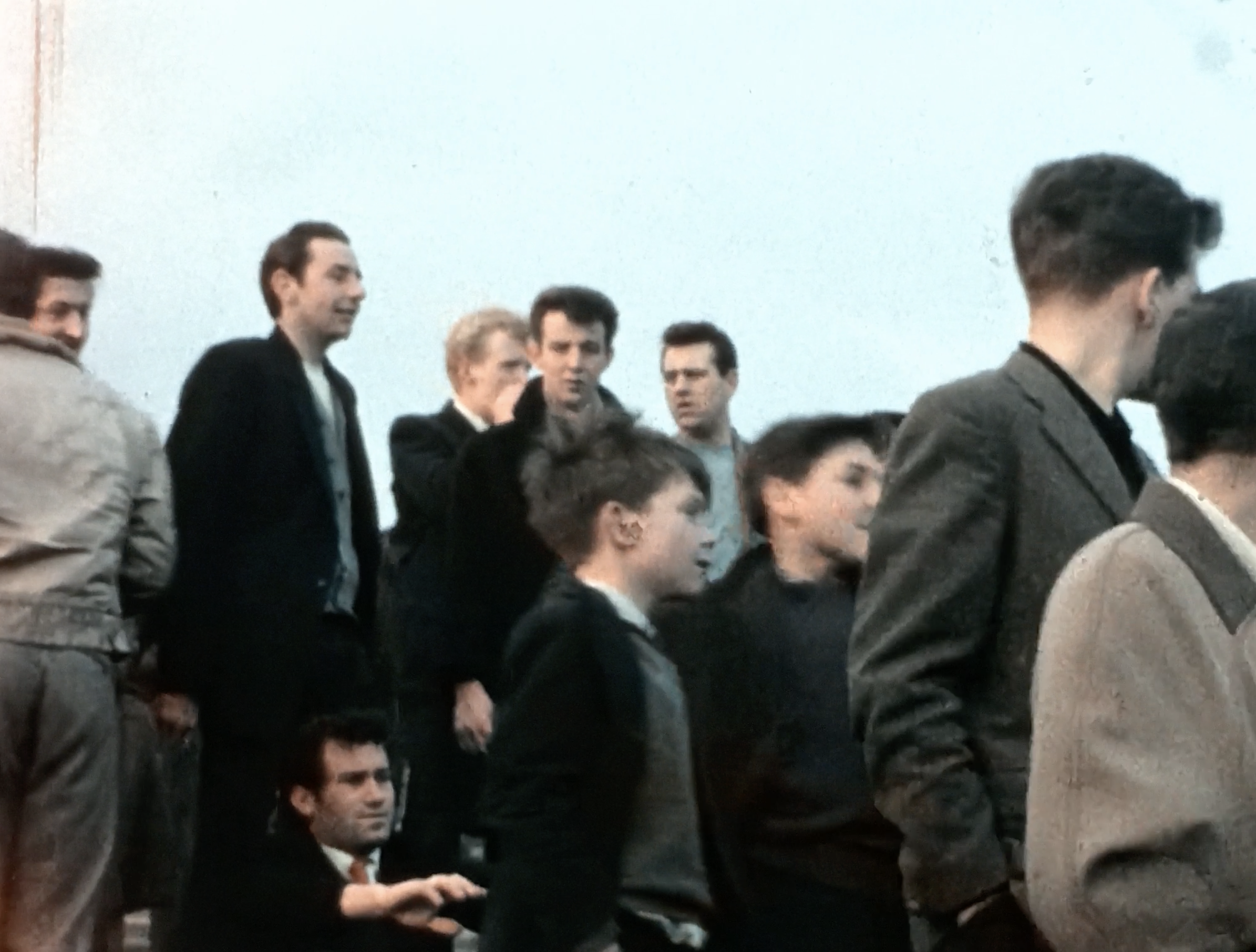
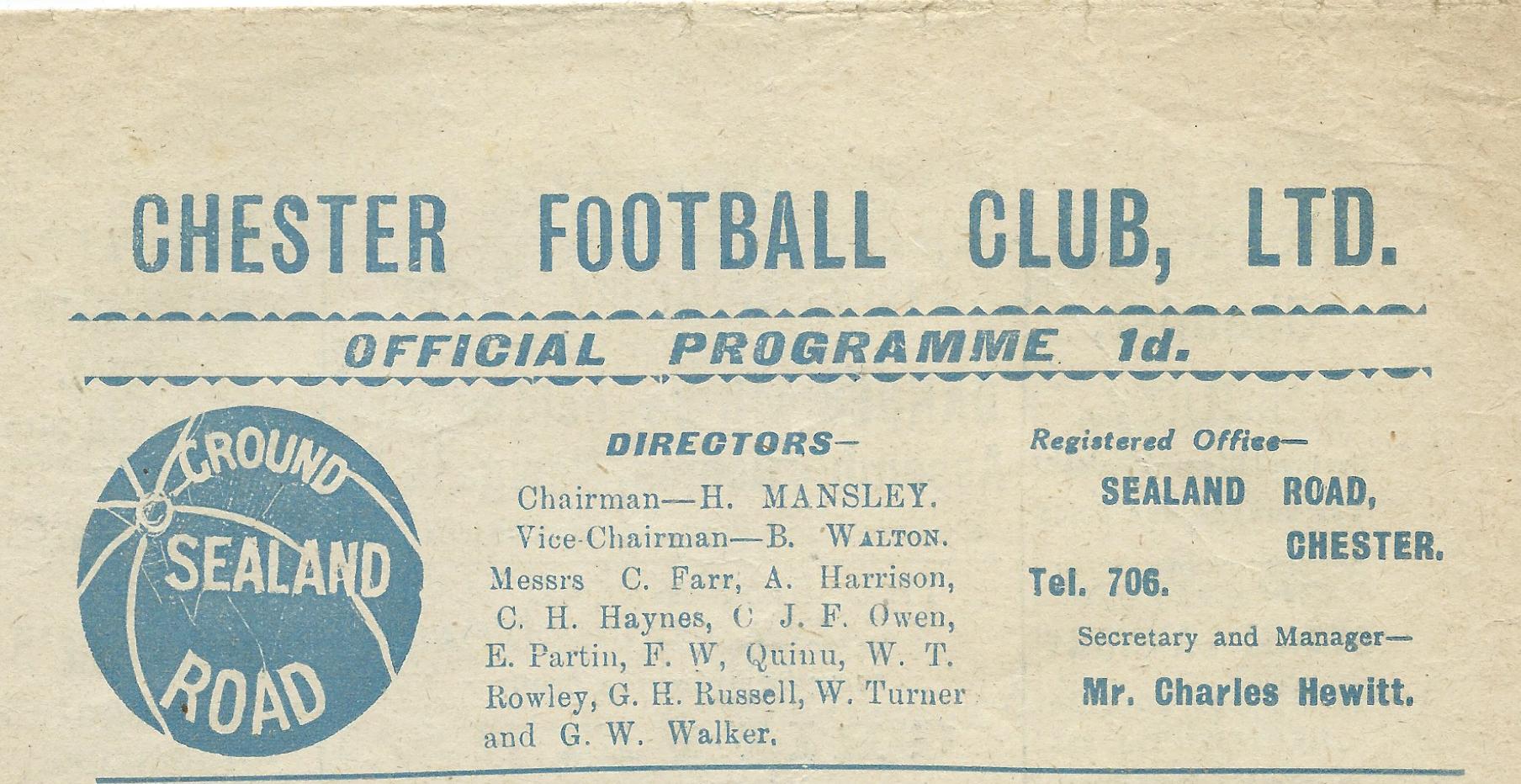
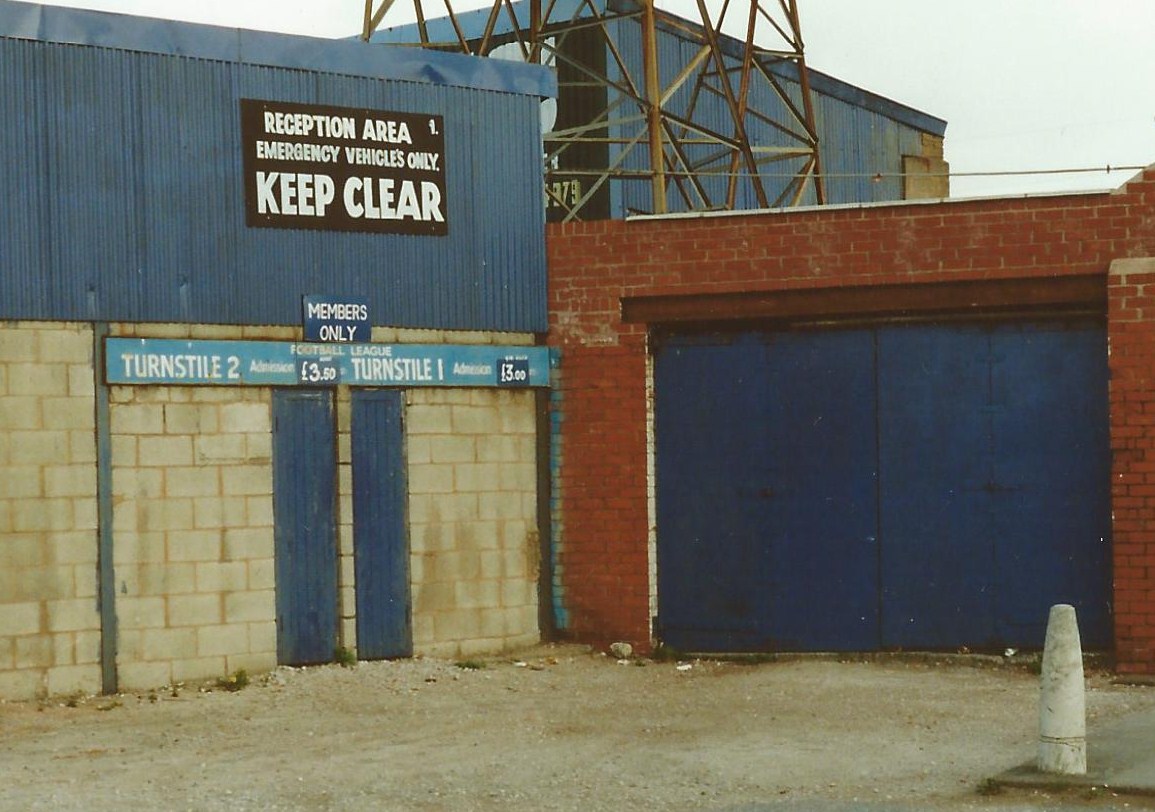
In May 1963 two students, Tom Carter and Rod Underwood, were given the task of producing a film as part of their teacher training course. As a last minute decision they bought a cheap cine camera and went down to the Sealand Road ground to film both inside and outside the ground. In addition they recorded a training session on the Annexe before ending with action from an evening game against Chesterfield.

After 60 years this superb 22 minute film has been unearthed and I will be showing it at a meeting of the Senior Blues at the football club on Friday March 5th at 10:30am. I hope to follow this up with a general showing at a later date.

What makes this film so special to my mind is that it is unedited. Although there are some experimental sections in the middle I feel that the film would have lost a lot of its impact if it had been edited down to a few minutes. The footage is certainly very raw but this is advantageous because you get so see unusual views of the whole stadium which would in all likelihood have been cut out.

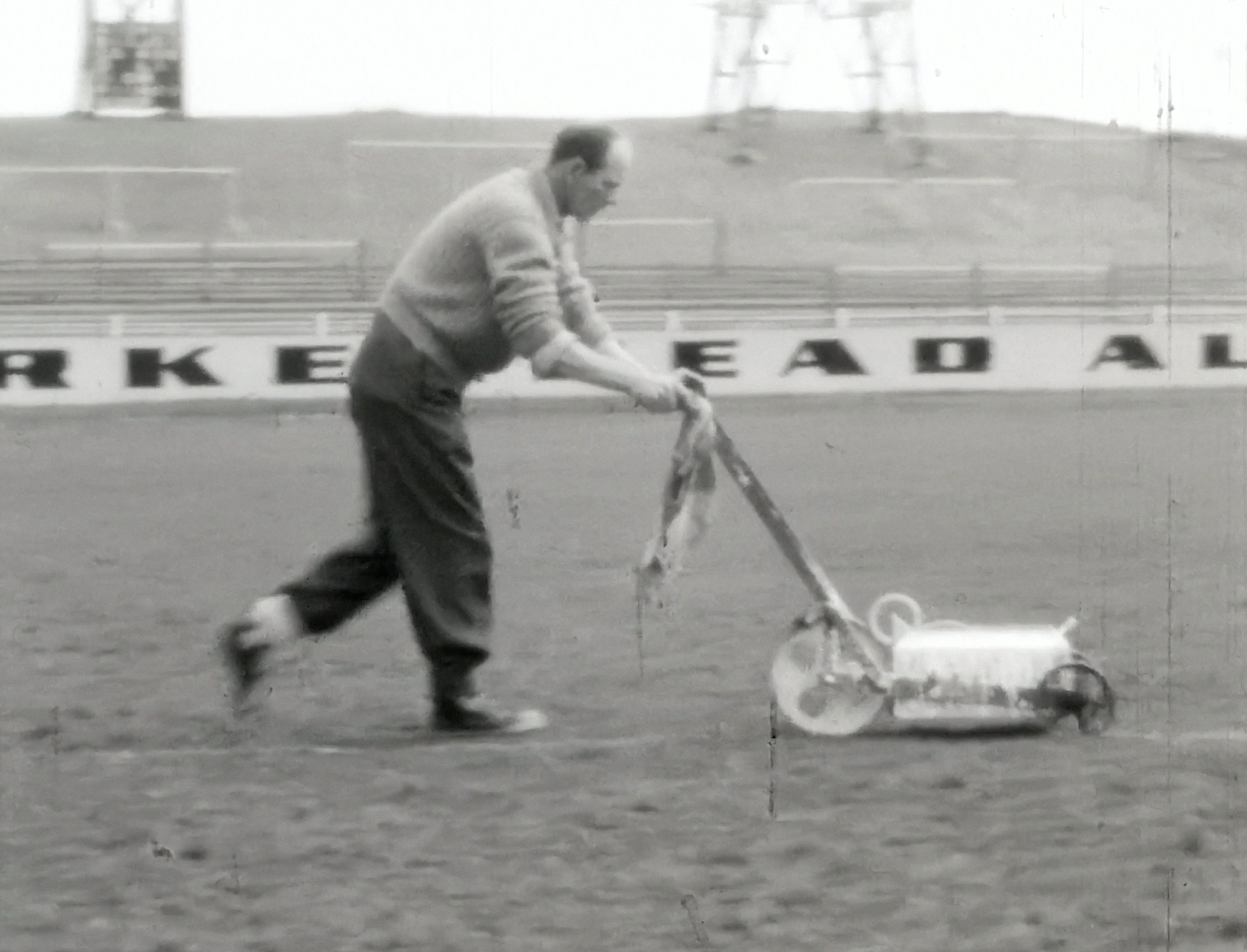
The film opens with footage of the pitch being marked out before moving to the outside of the ground. There are views of the back of the stand as well as the floodlights which were still a novelty as they had only been in place for three years.
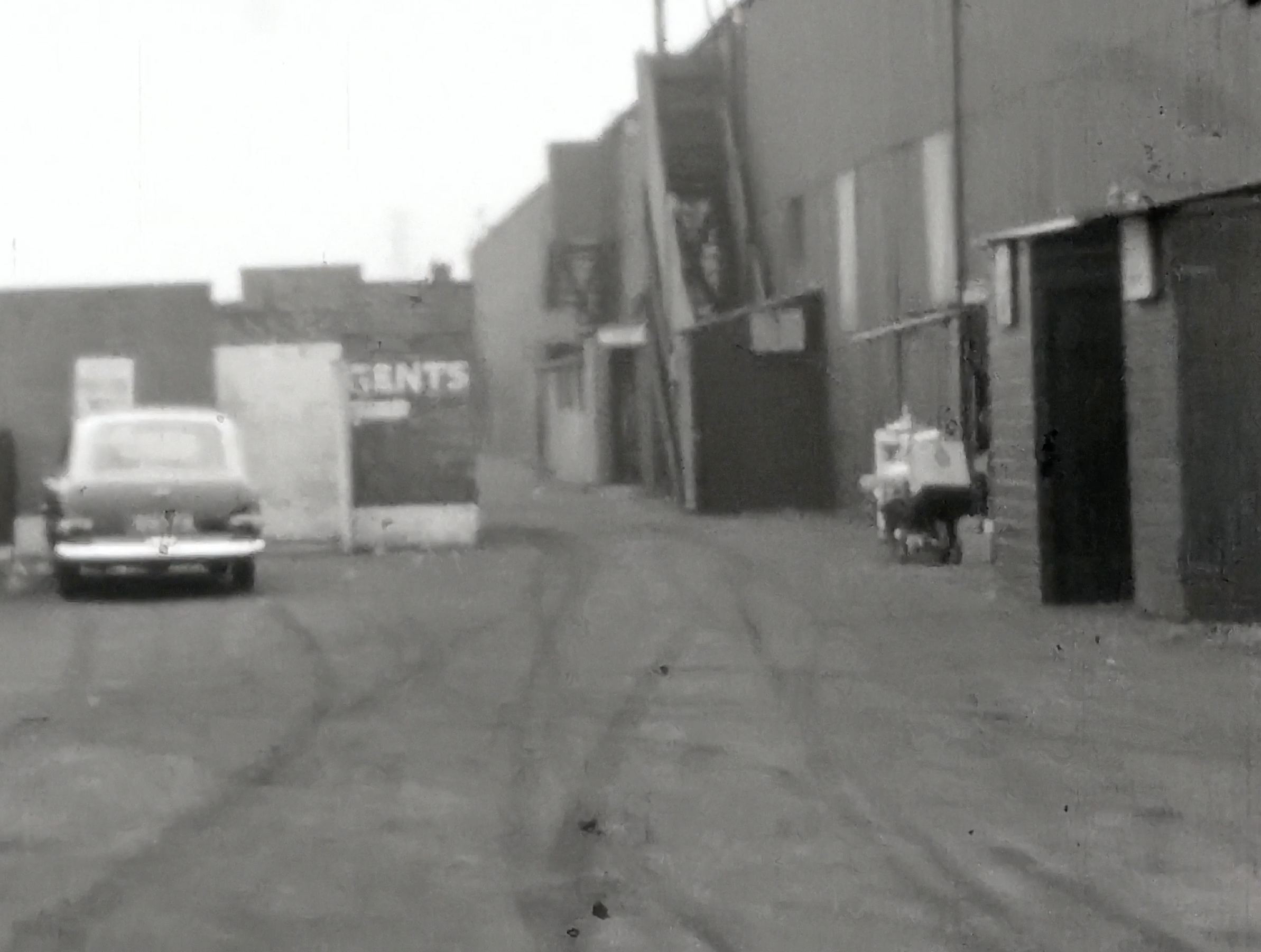
We then move to film of Bill Myerscough arriving at the Stadium in his Volkswagen Beetle before moving inside the ground to see the treatment room and a variety of views inside the old wooden stand.

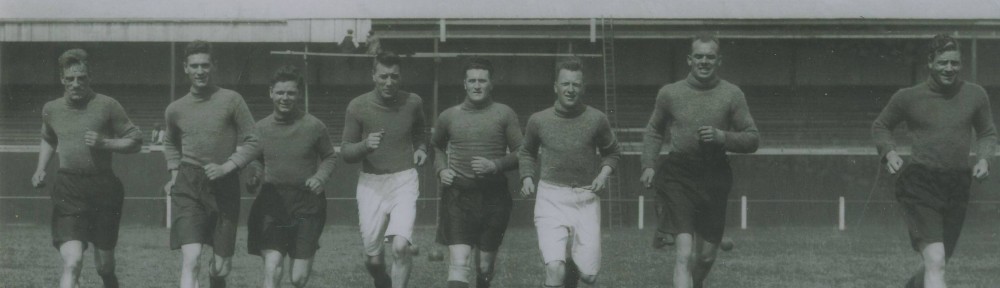
After six minutes we move out to the Annexe to see the players training with the likes of John Molyneux, John Butler, John Hardie, Elfed Morris Colin Corbishley and Ron Hewitt amongst many others in view. There are great views of the back of the main stand with the greyhound stadium and buildings on Sealand Road also in evidence.
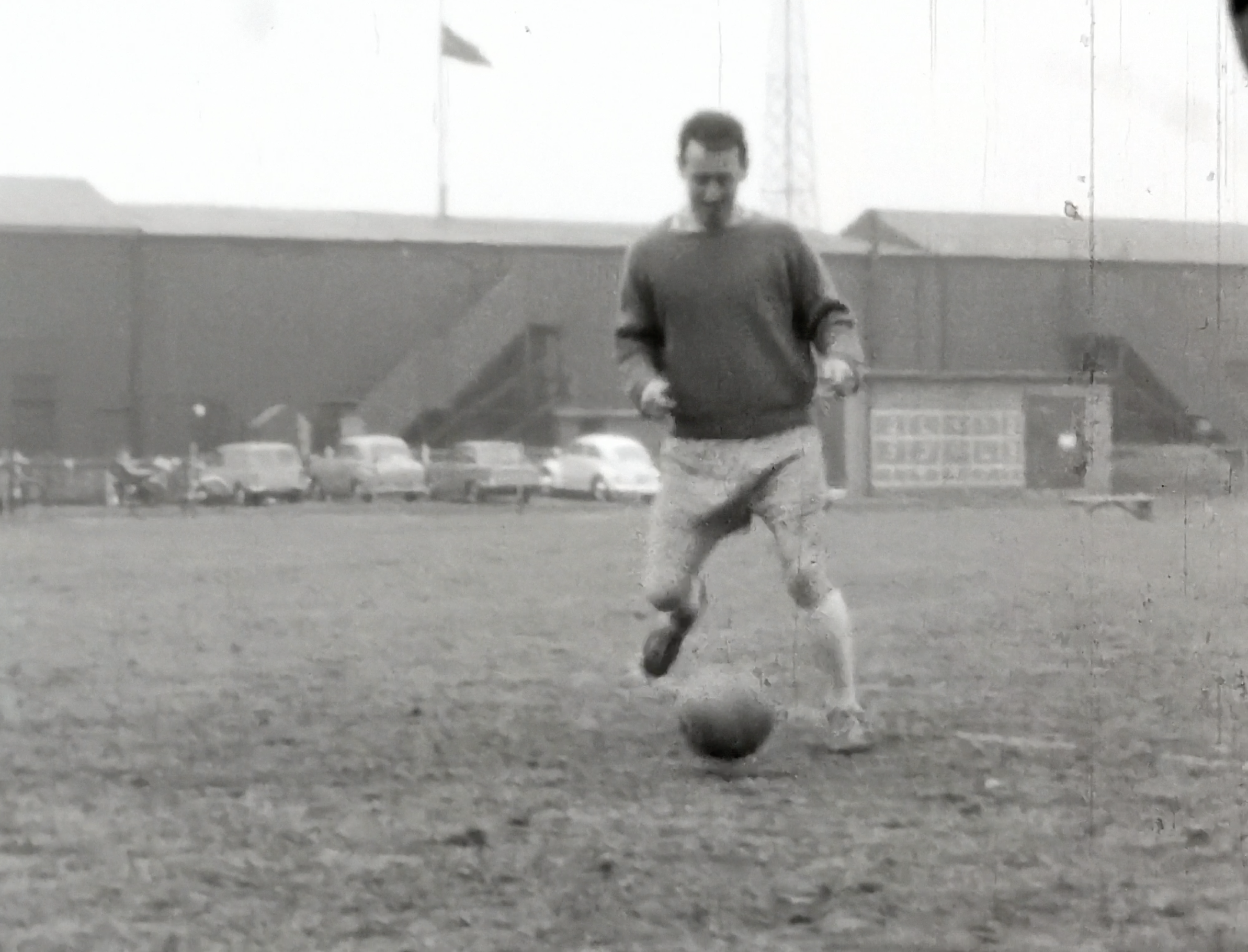
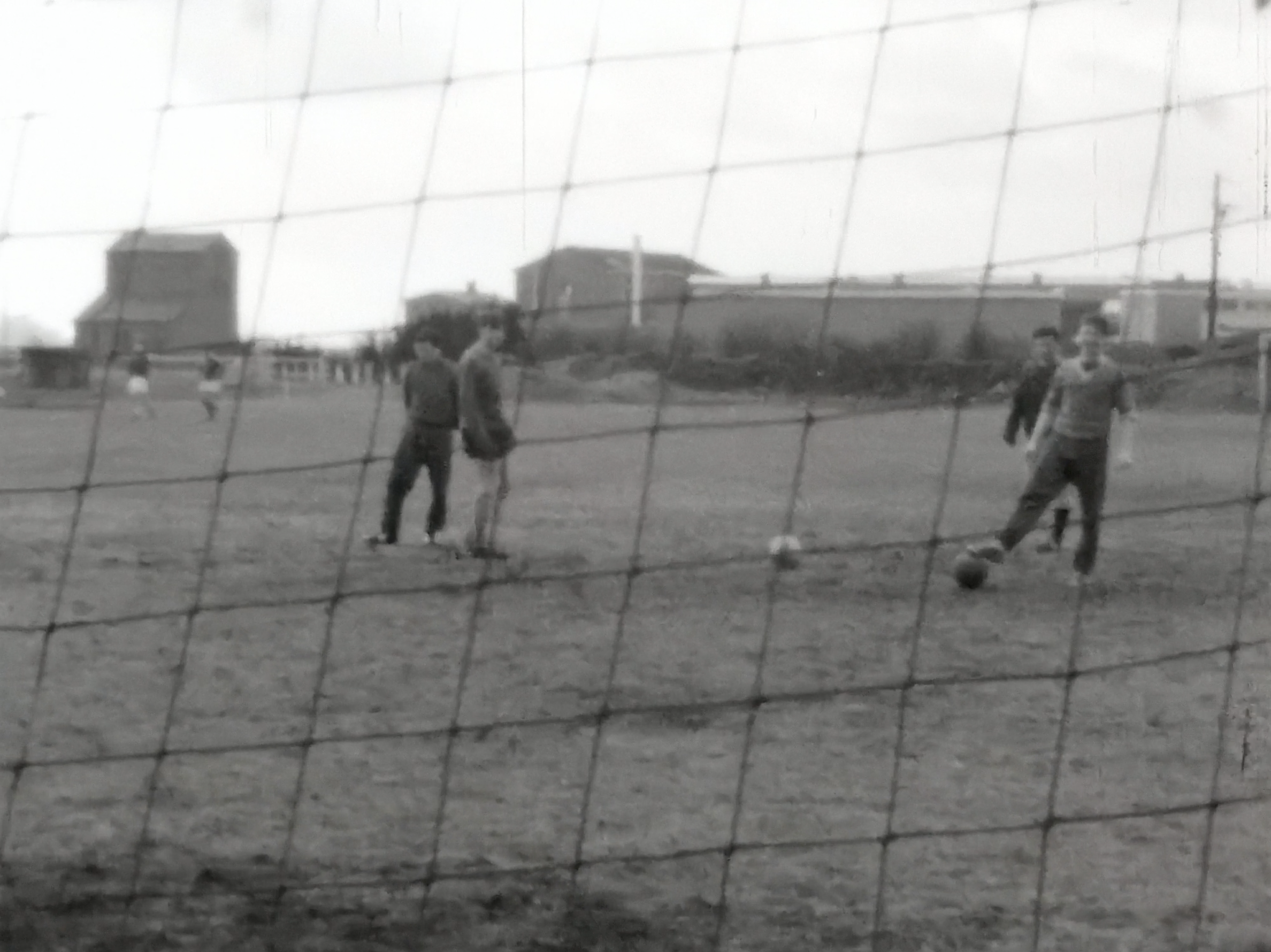
There is a glimpse of Bill Lambton during training and this marked the end of his 18 months as manager. The 1962/63 campaign culminated in another application for re-election as Chester finished 4th from bottom in Division 4. At one point in the film you can see ‘Iron Man Bill’s’ motto “Keep Fighting” on the dressing room door. His training methods were not popular with the players as they reflected his background as a Sergeant Major who had worked with the Army Physical Training Corps.

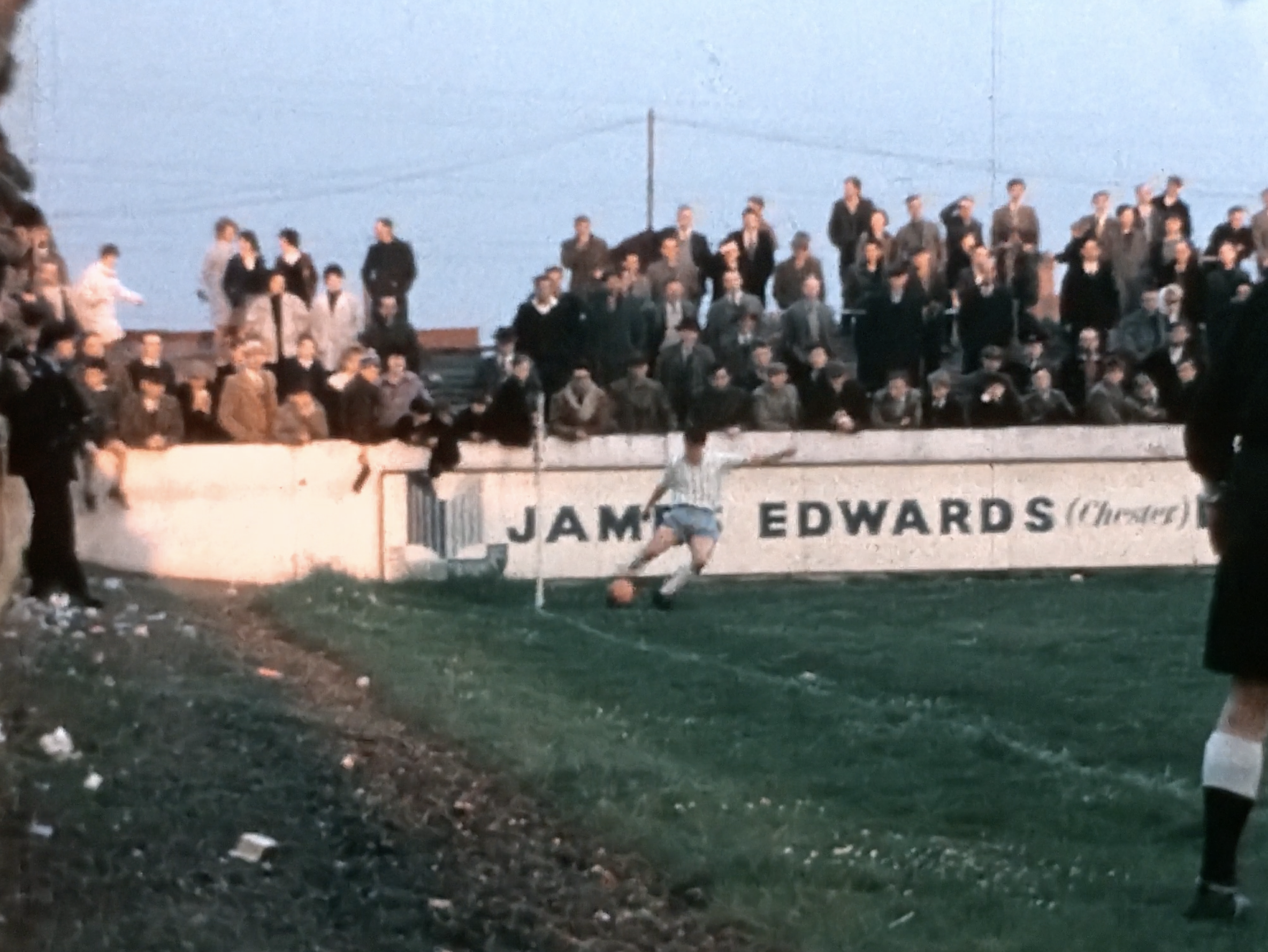
The next section of the film is more experimental before we switch to the final sequence which is eight minutes colour footage taken from behind the goal at the Kop end of the ground.

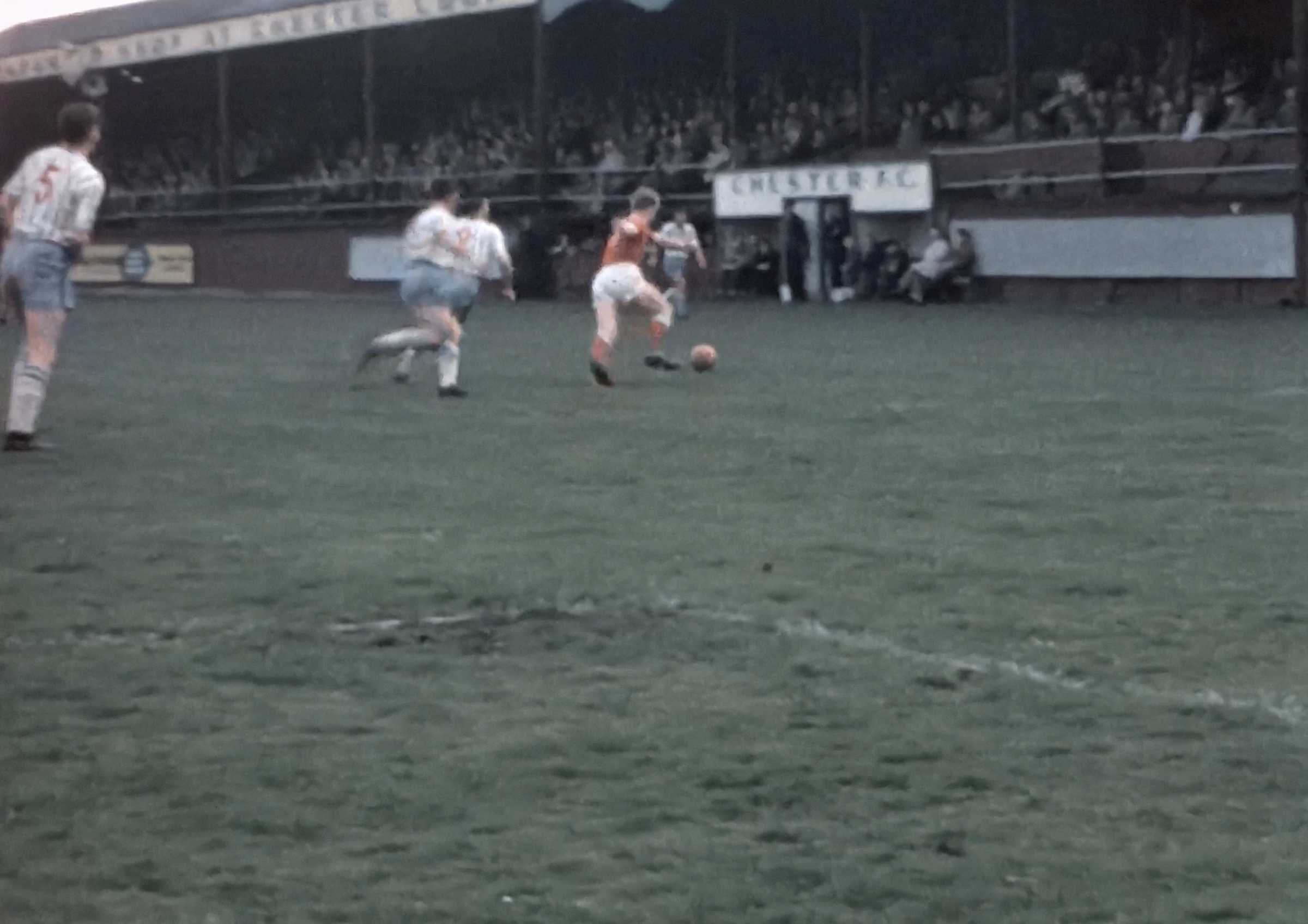
My research indicates that this is the last game of the season, a midweek fixture against Chesterfield on May 22nd, with the Spireites playing in an unfamiliar red kit. The visitors won the game 2-0 and there is a view of the first goal within the footage. The attendance was 3920.

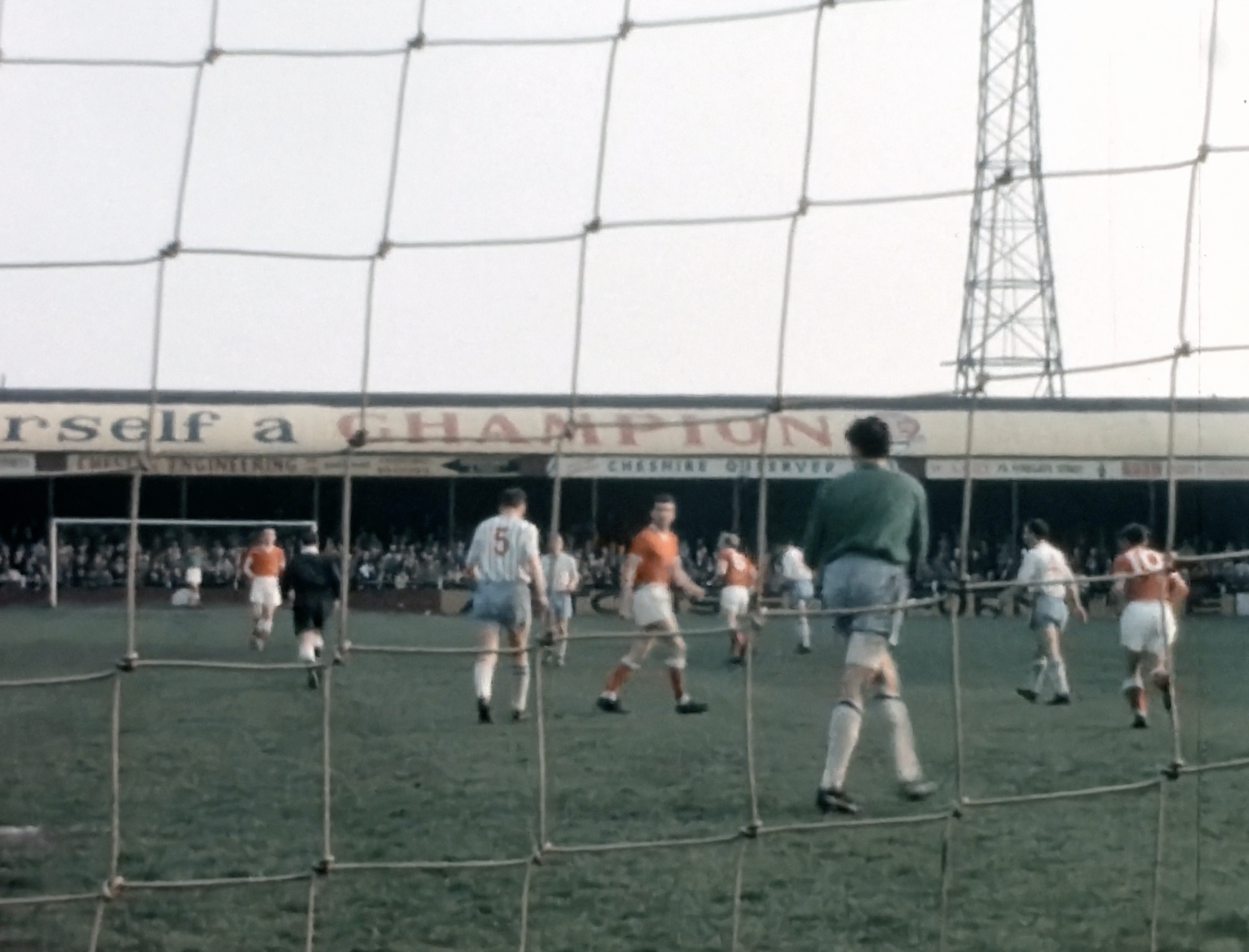
In the second half Chester are attacking the Kop with little success. The Cheshire Observer is particularly scathing of the performance calling it poor in both attack and defence with Chesterfield deserving their 2-0 victory. As an attacking force reporter Ralph Houdley stated that at no time did the forward line show any signs of being capable of winning the game. After Chesterfield had scored their second goal centre half John Butler was moved to the attack at which point Chester looked more threatening and the defender can be seen up front in the later stages of the film.

All in all it is a gem of a film and captures the era superbly. It is interesting to see different training methods and the action is very different from the current day especially the speed in which the goalkeeper releases the ball. The views of the ground will certainly bring back memories for supporters who watched the club in the 1960s.

Copyright ©  Chas Sumner http://www.chesterfootballhistory.com All Rights Reserved

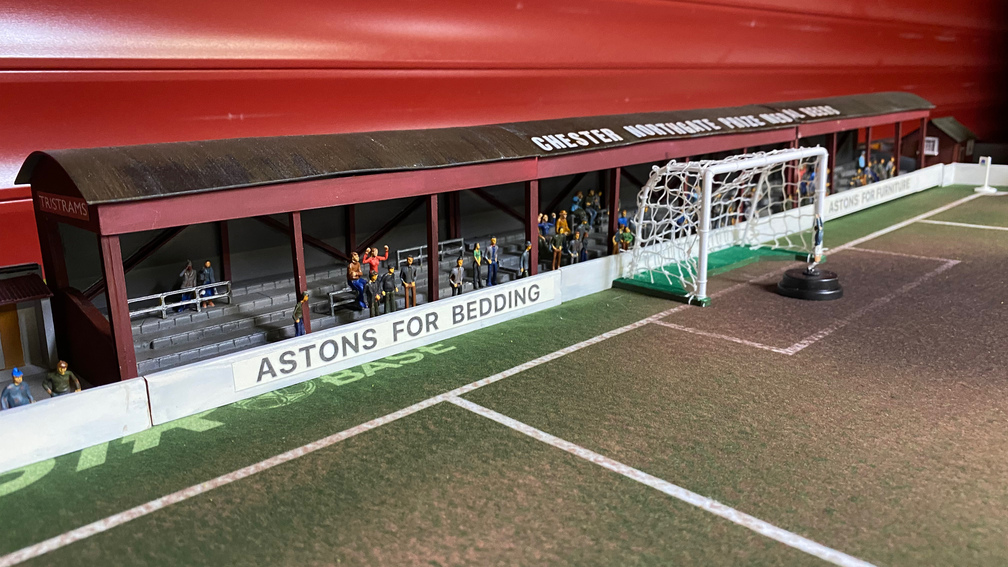
Sealand Road Re-creation

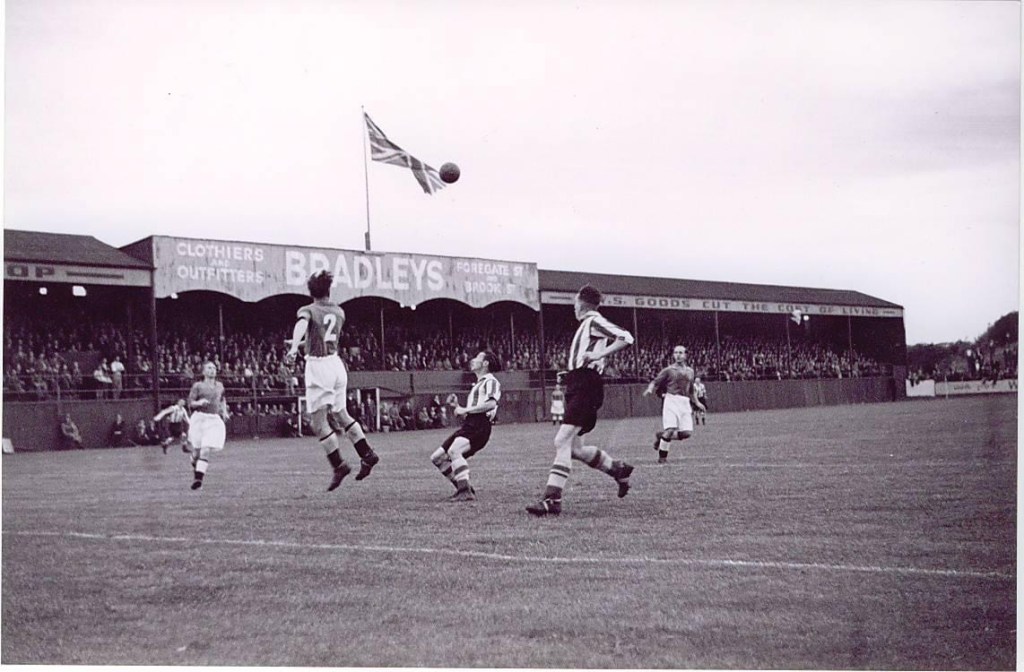
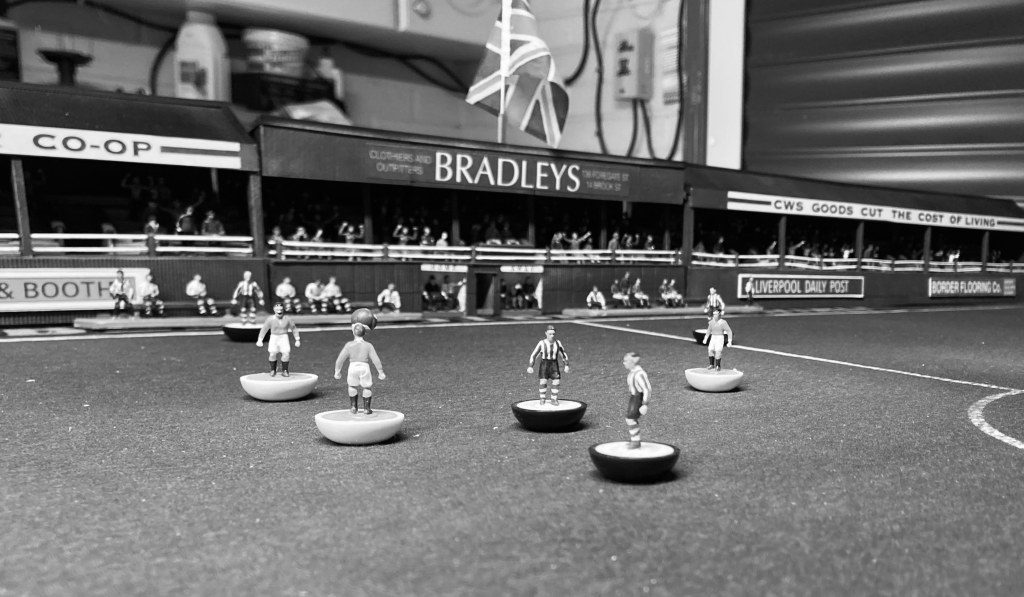
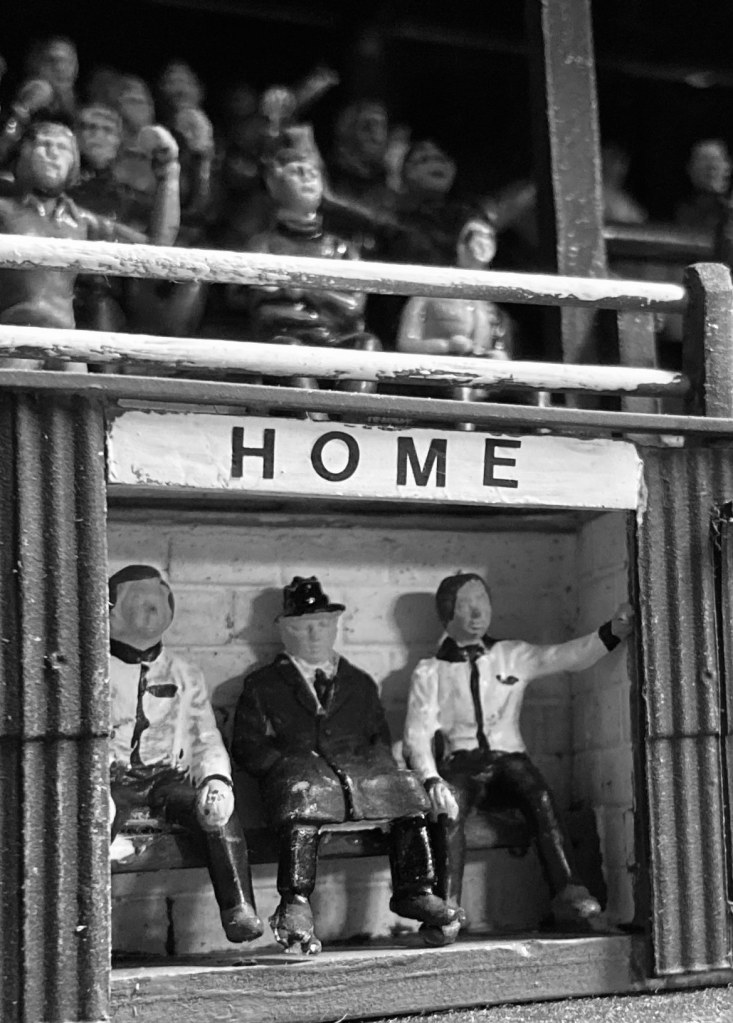
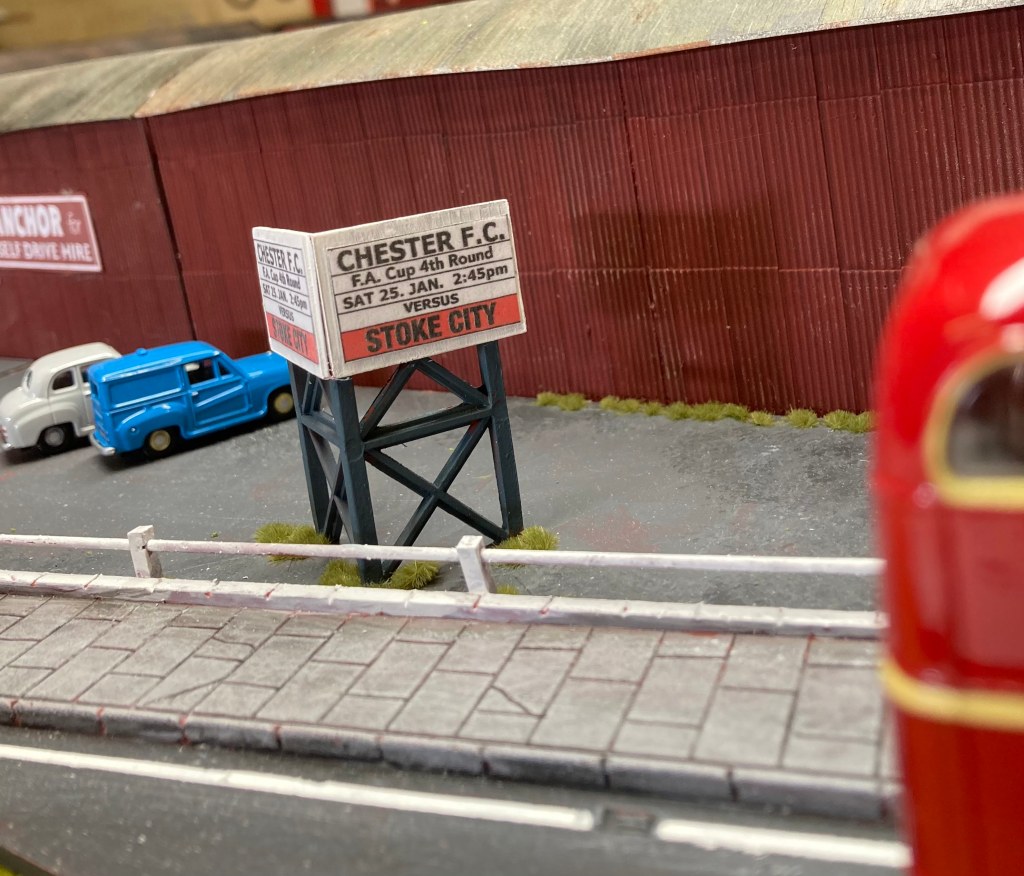
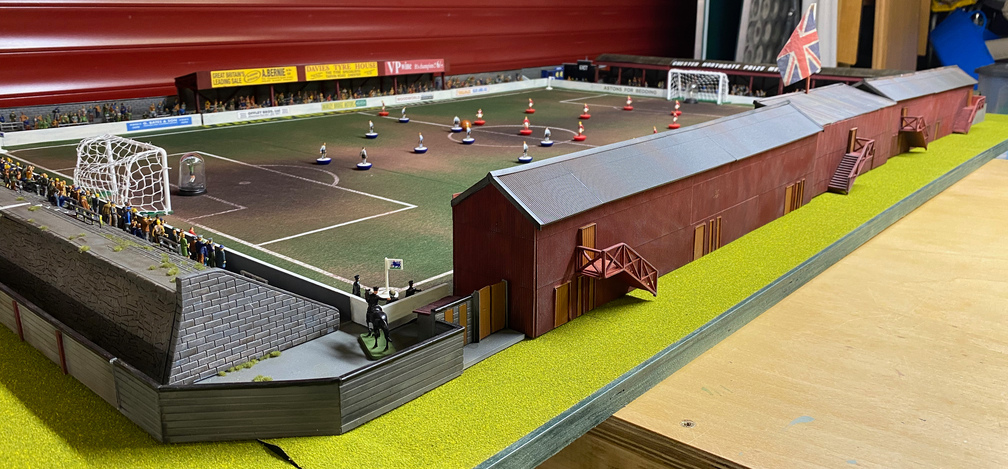
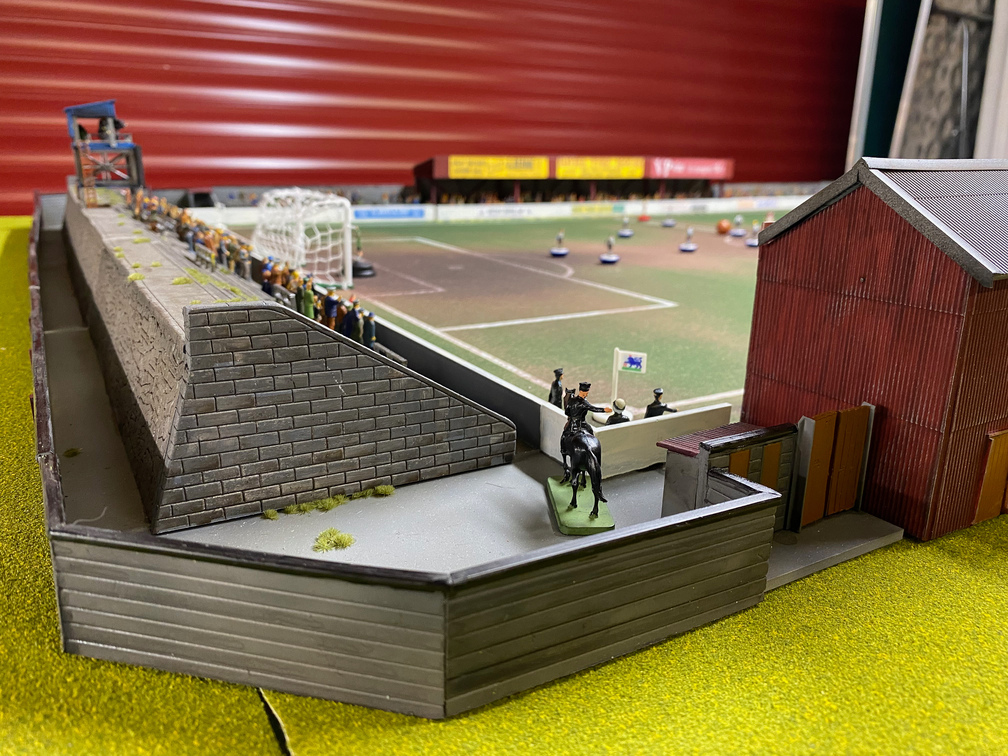
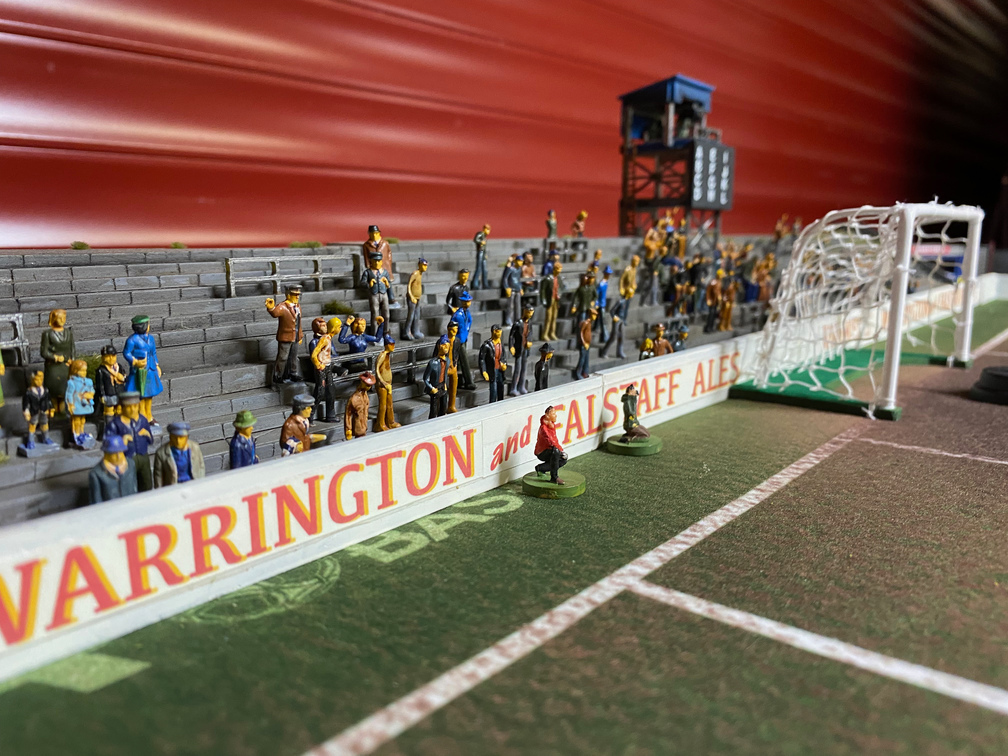
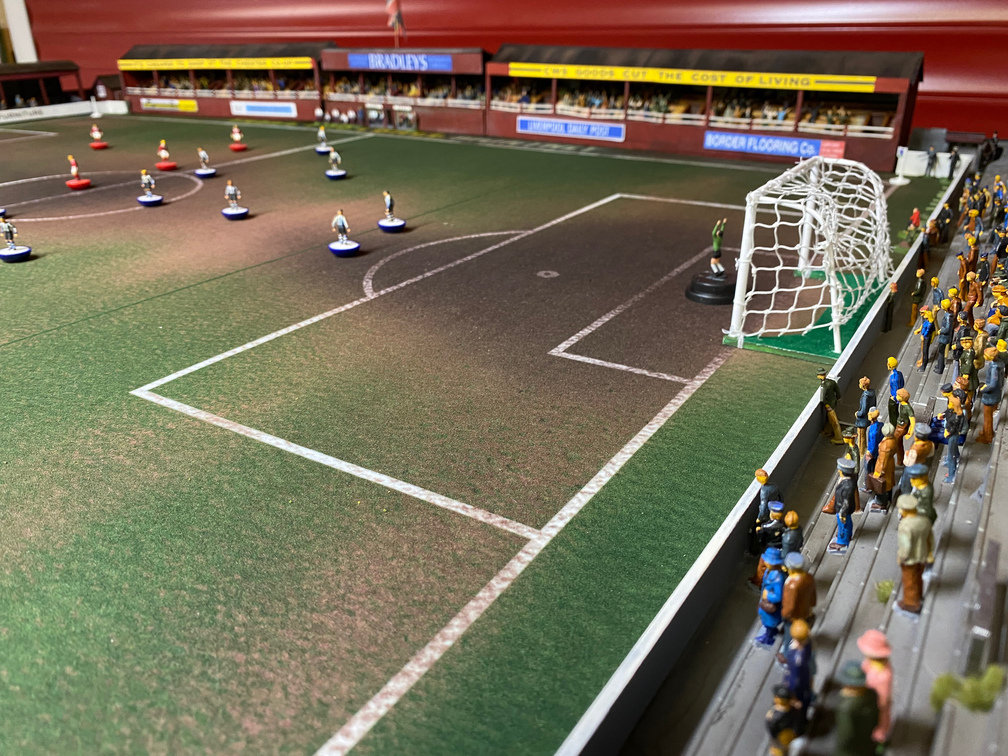
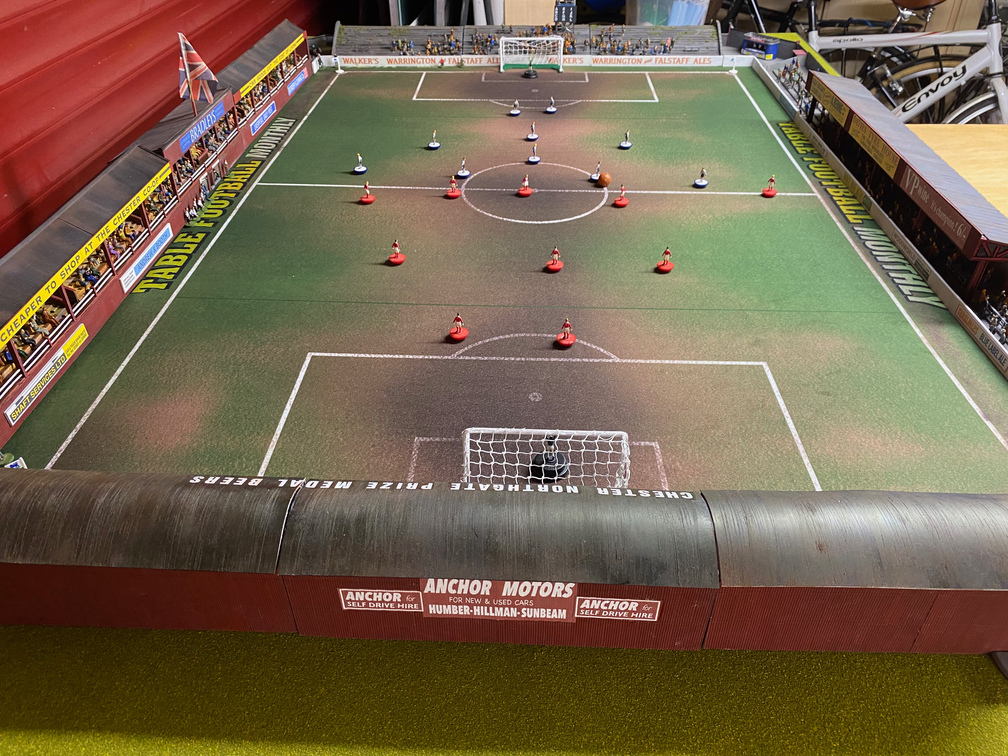
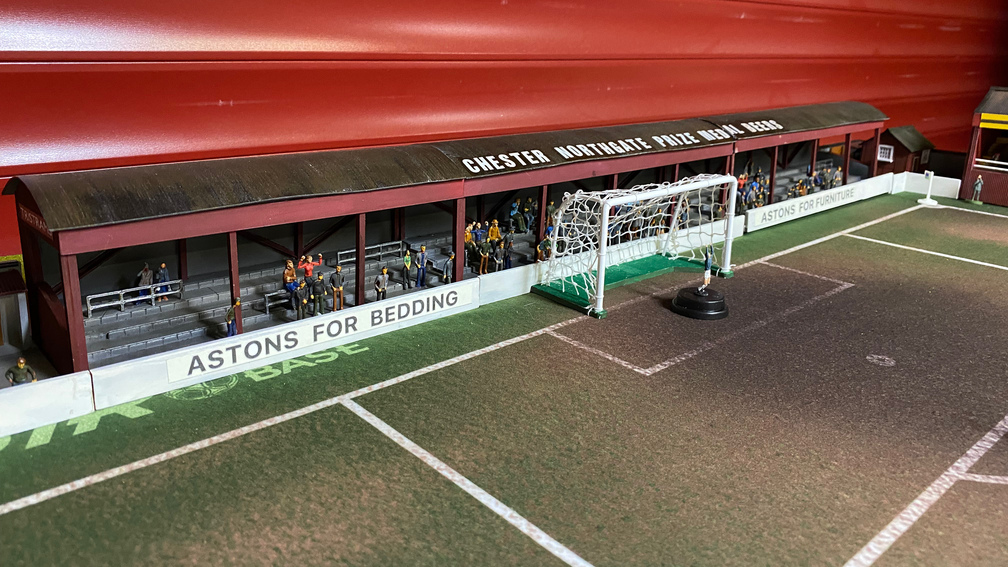
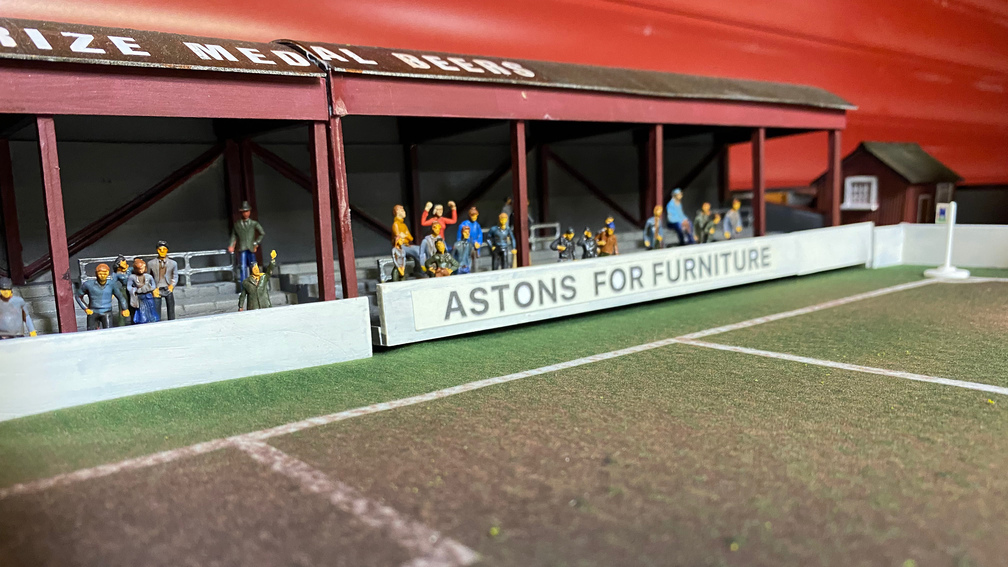
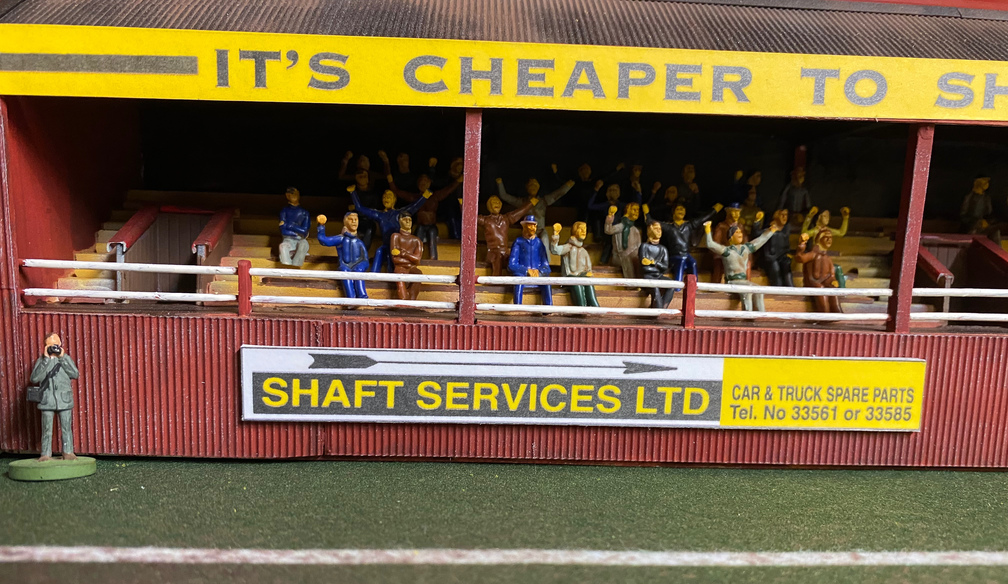
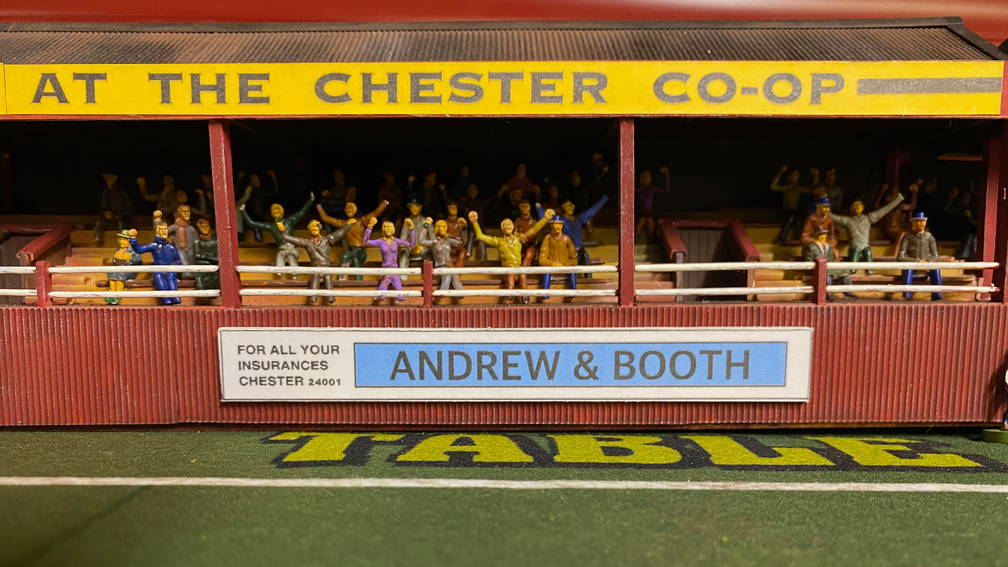
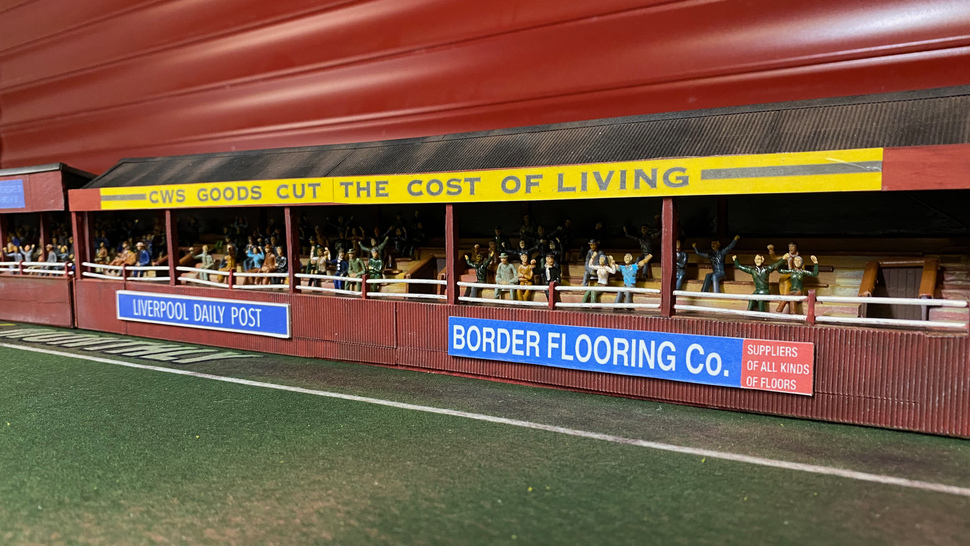
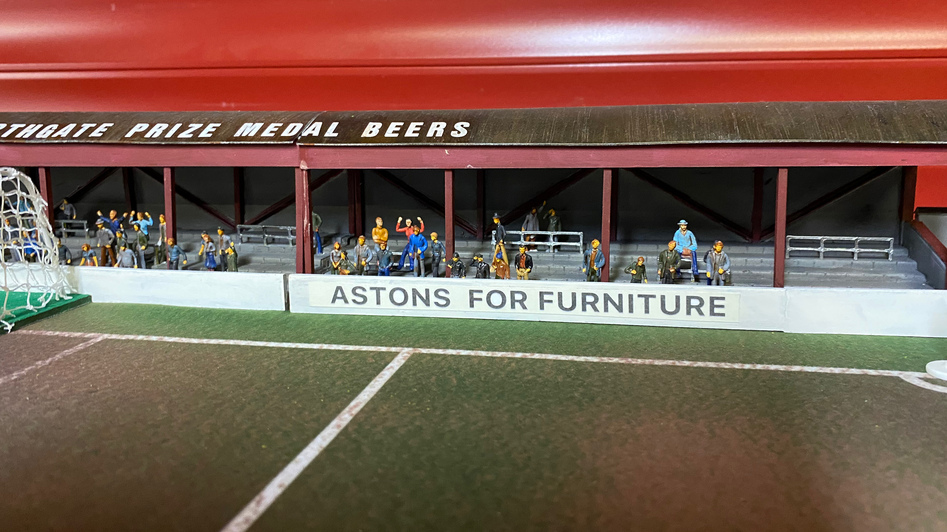
A few weeks ago I published a post displaying pictures of the Sealand Road model created by Derek Astbury. Derek is the son of former player Tommy Astbury, who played 303 league games for the clubs in the 1940s and 1950s. He has now re-created a selection of pictures taken from his late father’s collection, the Chester City Images of Sport book and the Chester Football History Facebook page.

Sealand Road Model

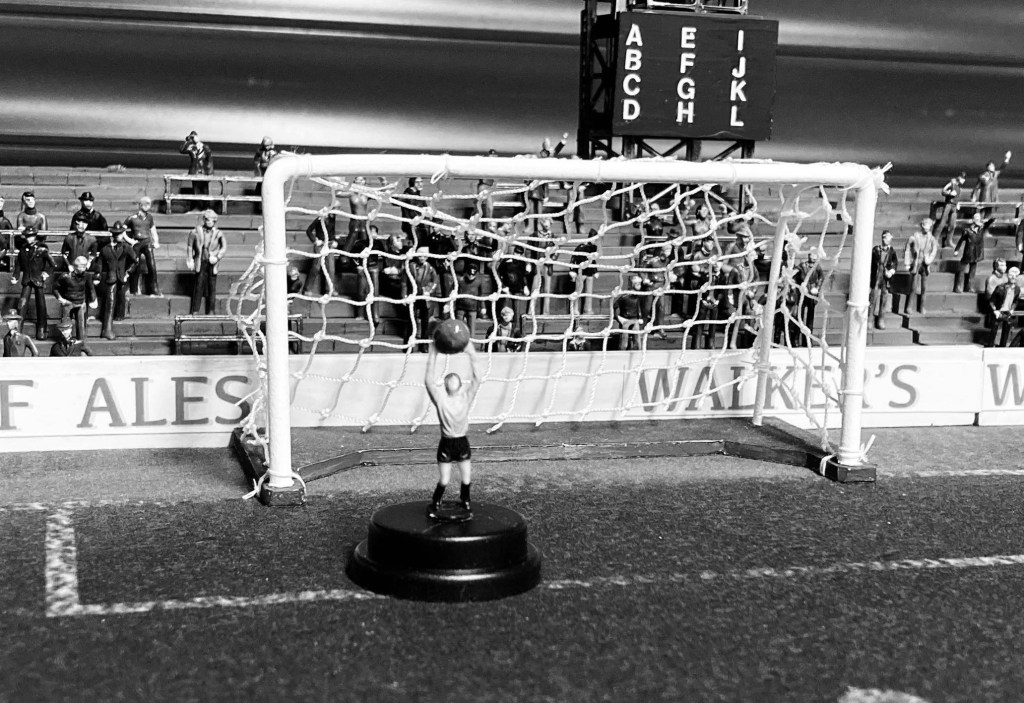
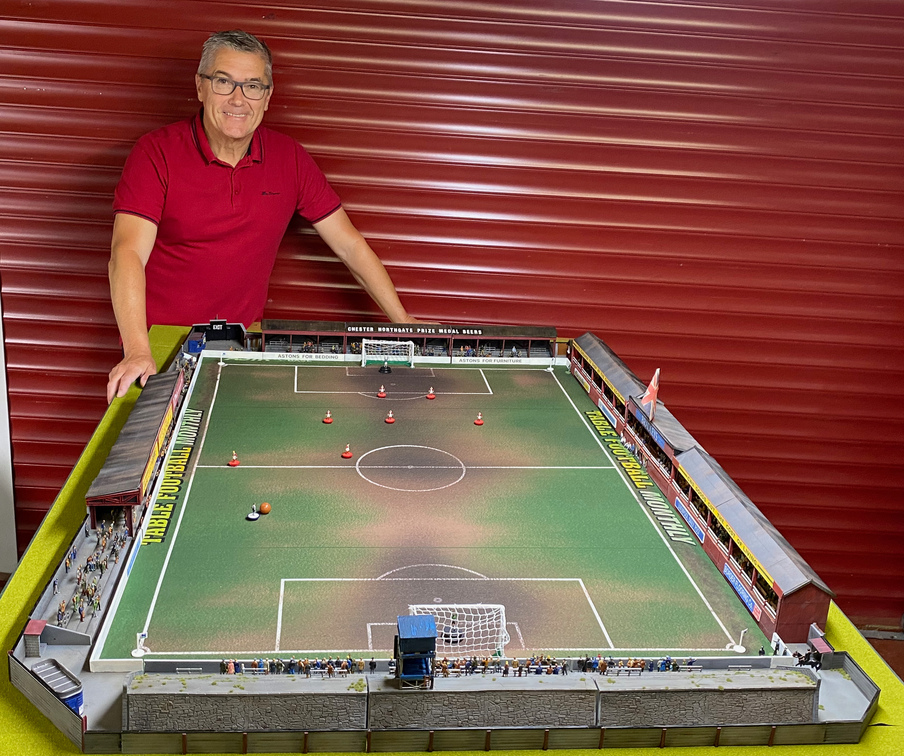
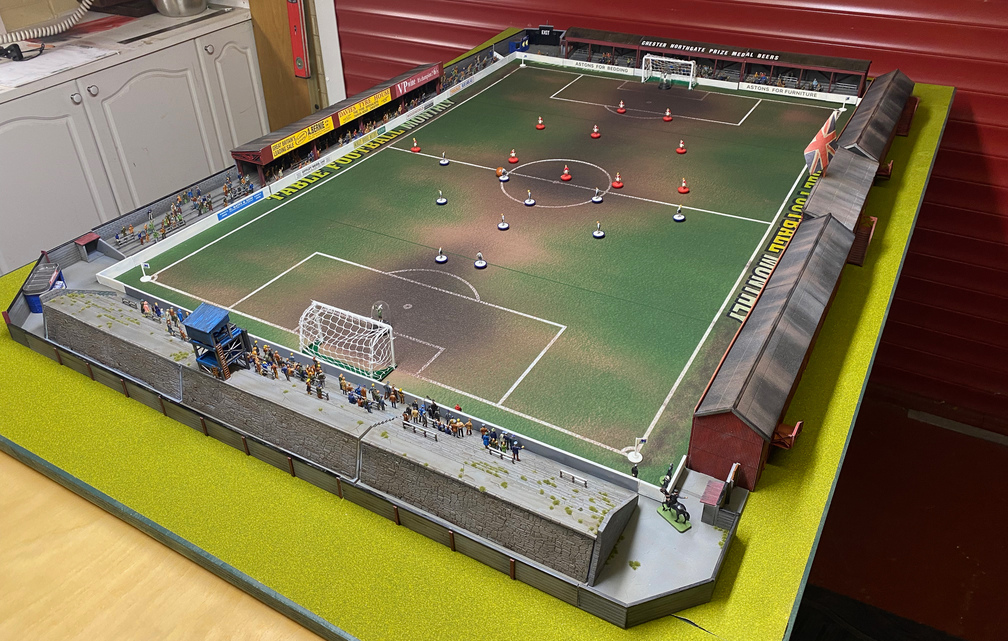
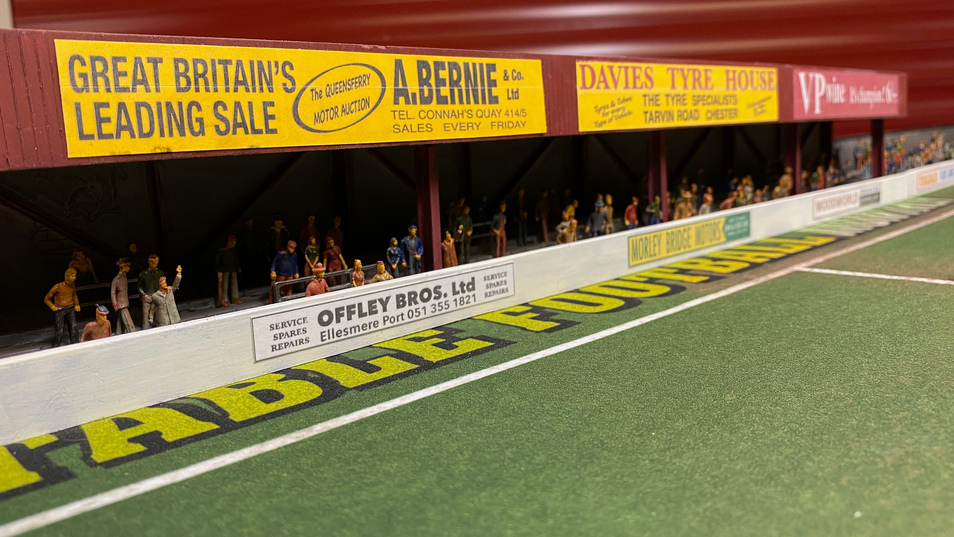
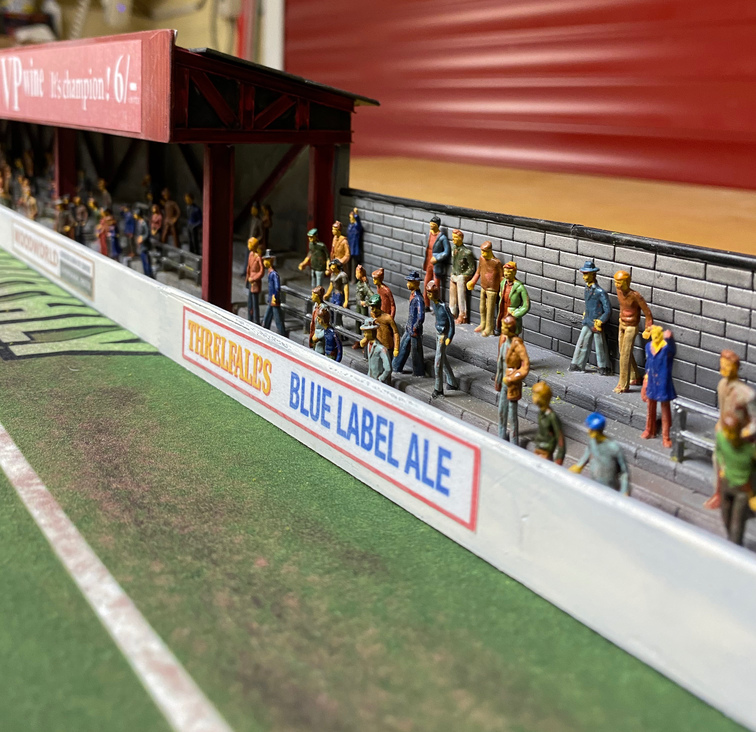
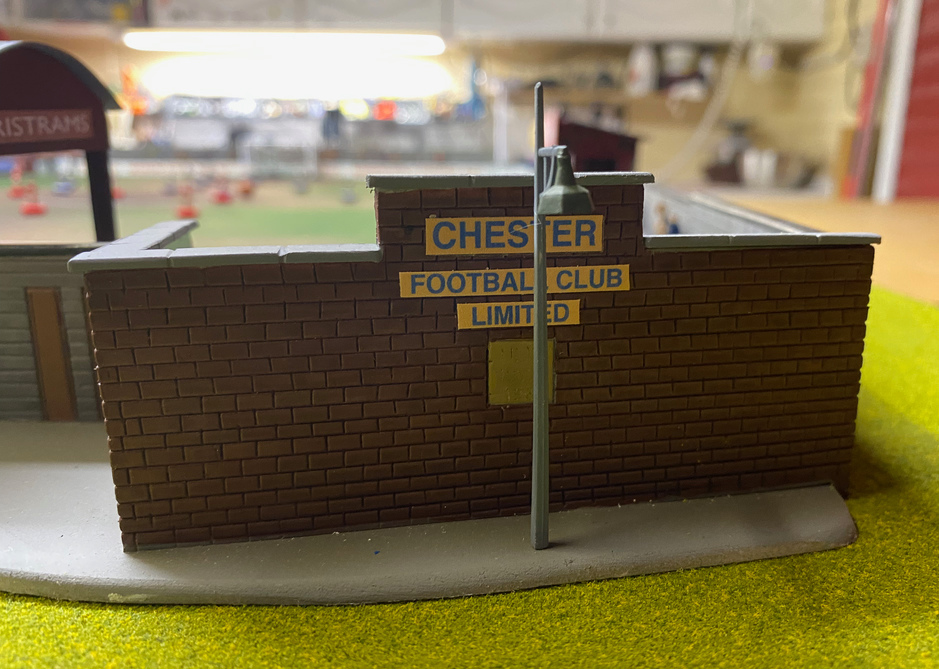
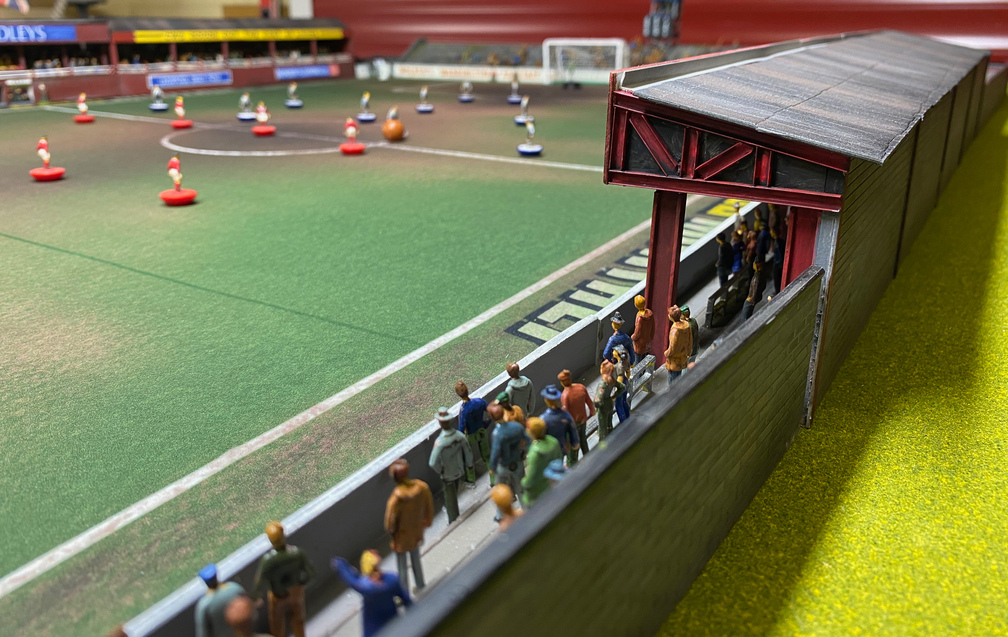
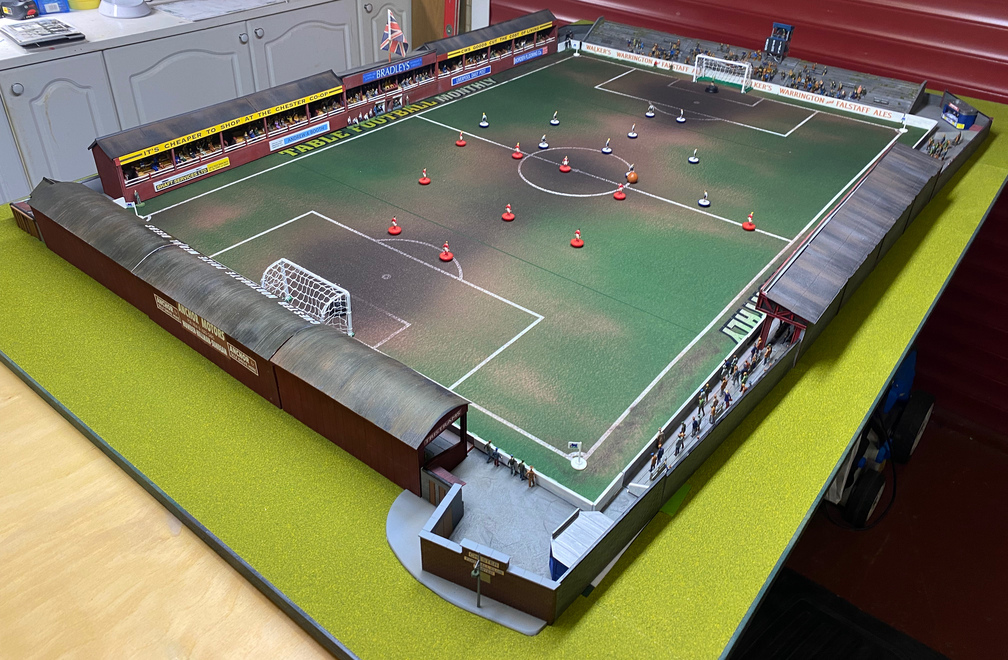
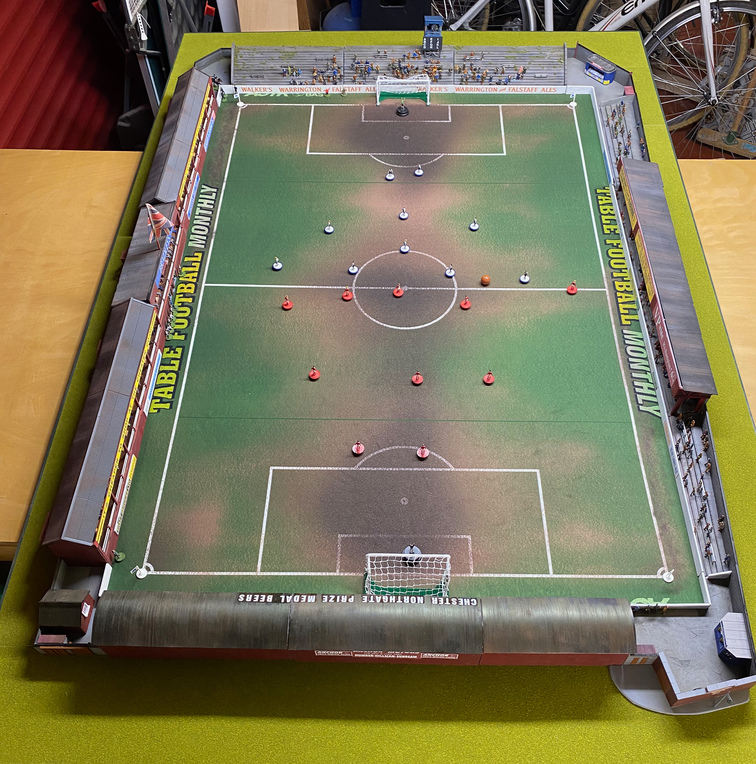
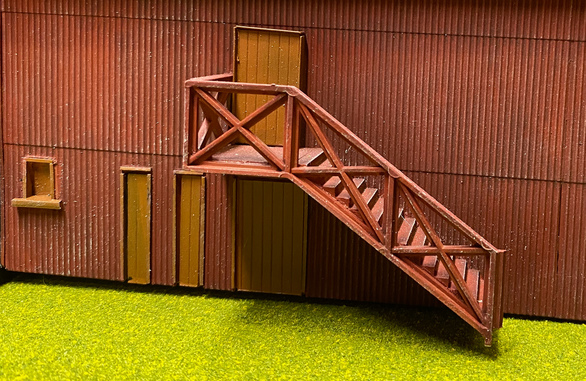
Derek Astbury, the son of former Chester player Tommy Astbury, has used lockdown to construct a superb model of the old Sealand Road stadium based on how the ground looked when his father was playing for the club in the 1940s and 1950s. Measuring 6ft by 4ft it took six months to build and it is hoped that it can be shown at the Deva Stadium some time in the future. I would urge anyone to go and see it if the opportunity arises.

Derek explains how he tackled the project:

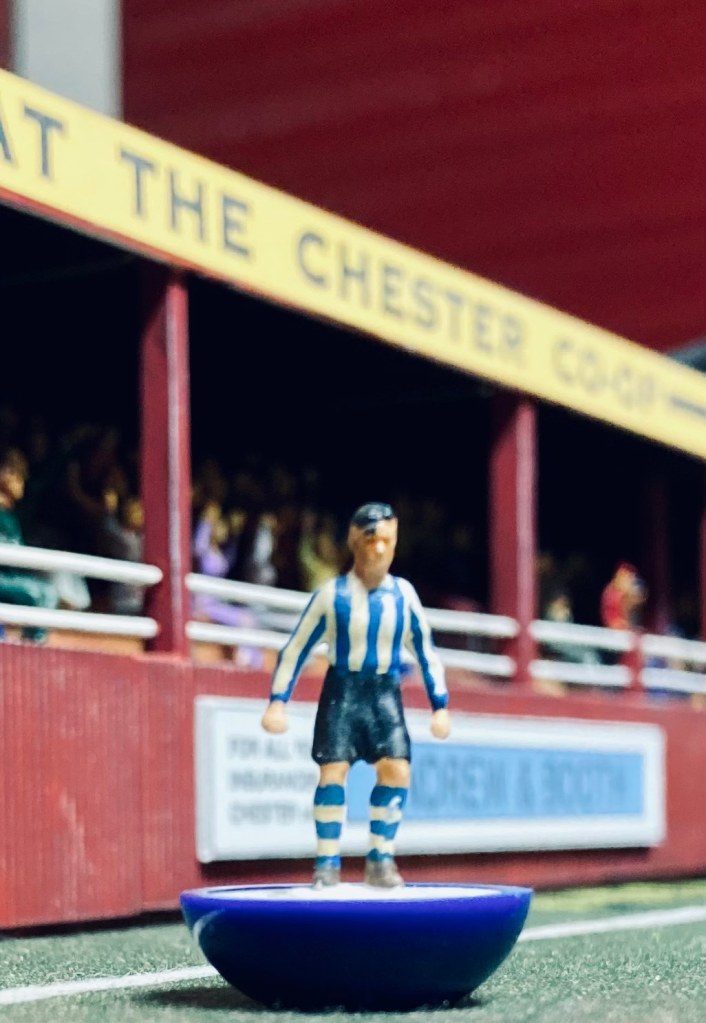
“I retired just before the first lockdown and during the early months did what most people were doing i.e sort out family photos/ tidy the attic etc. While doing this I came across some old subbuteo equipment and after watching a YouTube programme I discovered there was an internet community of 50-60 year olds revisiting the game.

I decided to buy some players online to paint myself and found that there were some in vintage style kits and the idea was born. I would paint Chester FC from the time that my dad played together with other teams he played against. I thought I could then display them with a programme of the match for example Bolton Wanderers for his testimonial, Hull City (Raich Carter) and Stoke City (Stanley Matthews).

Then I moved on to the Stadium itself which I started to construct on January 21st using 3mm plastic sheet that was destined for the skips where I used to work. I have been building on and off since then on the occasions it has been warm enough in my garage to let my fingers work.

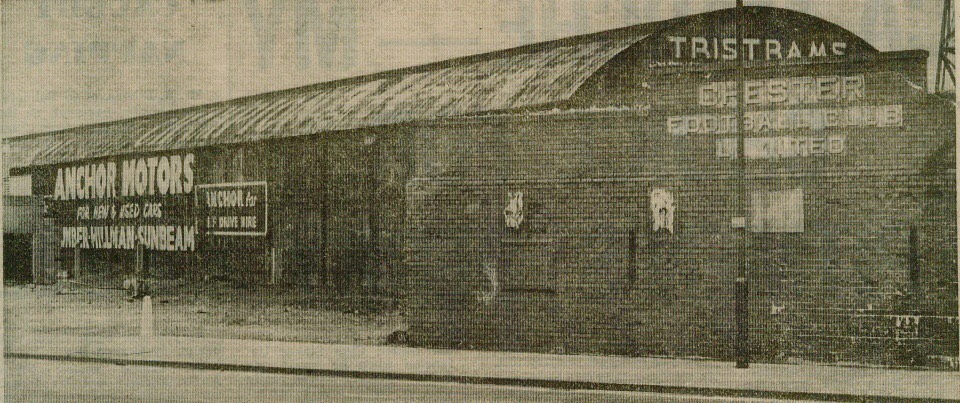
I have had the Images of Sport Book for many years and most of my reference has come from that as well as the Chester Football History Facebook page and my dad’s scrapbooks and photos. I did start to look at photos differently ie not at the subject but at the background details to see what the stands looked like and what adverts were on display. Most of the photographs are taken inside the ground so getting the outside details was quite a struggle. Even people who had been to the ground many times didn’t know what the other side of the Kop looked like.

Some things came as a surprise to me during the build research. One was the office building between the Main Stand and the Barn at the Sealand Road End. Another was the fact that the Popular Side was wider at the Kop end. I only realised this when I saw an aerial shot and had to start again on this stand. I also decided that I had to include the lamppost in front of the plaque on the front wall. Other problems for me were that the photos of the era were in black and white so I had to do some further research on colours (or guess!). The VP Wine advert on the Popular side just looks maroon to me.

It was also important to me that the game of subbuteo still remained playable and the stands were not too big to reach over. This means there are not the correct amount of seats in the stands or steps on the terraces so I couldn’t fill them with the 20,000 spectators that saw the Chelsea FA Cup game. From the positive comments I have received so far I think I have managed to capture the essence of the Sealand Road Stadium.

“The Stadium”

One of the most interesting items of club memorabilia I have ever seen was recently loaned to Chester FC chairman Tony Durkin.

A 336 page hardback ledger, spanning the period from November 1932 to February 1937, was in the possession of a relative of former clerk and secretary Billy Peters. It makes fascinating reading as it covers board meetings with subjects ranging from club finances and team selection down to travel arrangements and the provision of fire extinguishers.

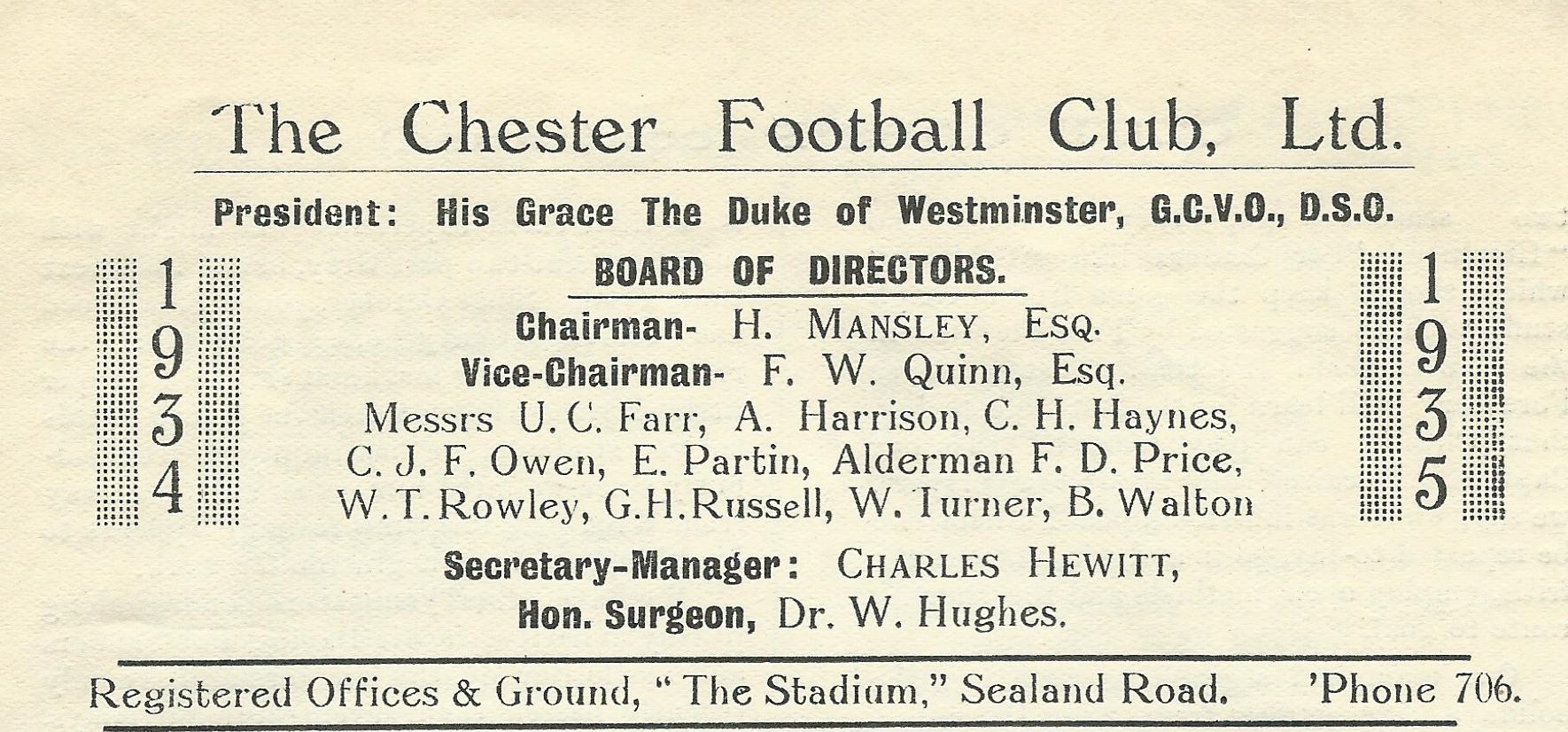
After my recent articles on Sealand Road there was one item that took my eye. In January 1934 item 2945 referred to the naming of the ground:

Naming of the Ground

Naming of the Ground

“Sec-manager recommended the ground be given a name such as “The Stadium”, Sealand Road, Chester. Resolved on the suggestion of Mr C.J.F. Owen that the Chairman and Sec. Manager use the words The Stadium on posters and letterheads when the public would would follow the lead and accept the title.”

I never appreciated that the ground had formally been entitled “The Stadium” in this way. I had presumed that the name had been adopted by default after its construction in 1906. Given the circumstances I am surprised that such a bland, unimaginative name was endorsed. The naming may have been prompted by the imminent arrival of the Greyhound Stadium, which was built next door the following year, but I would have thought that this would have prompted a more creative title.

Ground name 1932

Ground name 1932

Ground Name 1935

Ground Name 1935

Although The Stadium may have been the official name I think it is fair to say that it never fully caught on. I always though of it as Sealand Road and this was always how the ground was known in footballing circles.

1932 Ledger  Copyright © Rick Matthews

1932 Ledger
Copyright © Rick Matthews

Copyright © 2013 http://www.chesterfootballhistory.com All Rights Reserved
Sealand Road Remains – 1

With the restoration of the plaque I thought it would be interesting to collate some pictures of other parts of the Sealand Road Stadium that have survived. I am hoping that this will be the first of a number of articles and I would urge anyone to get in contact if they have anything of interest.

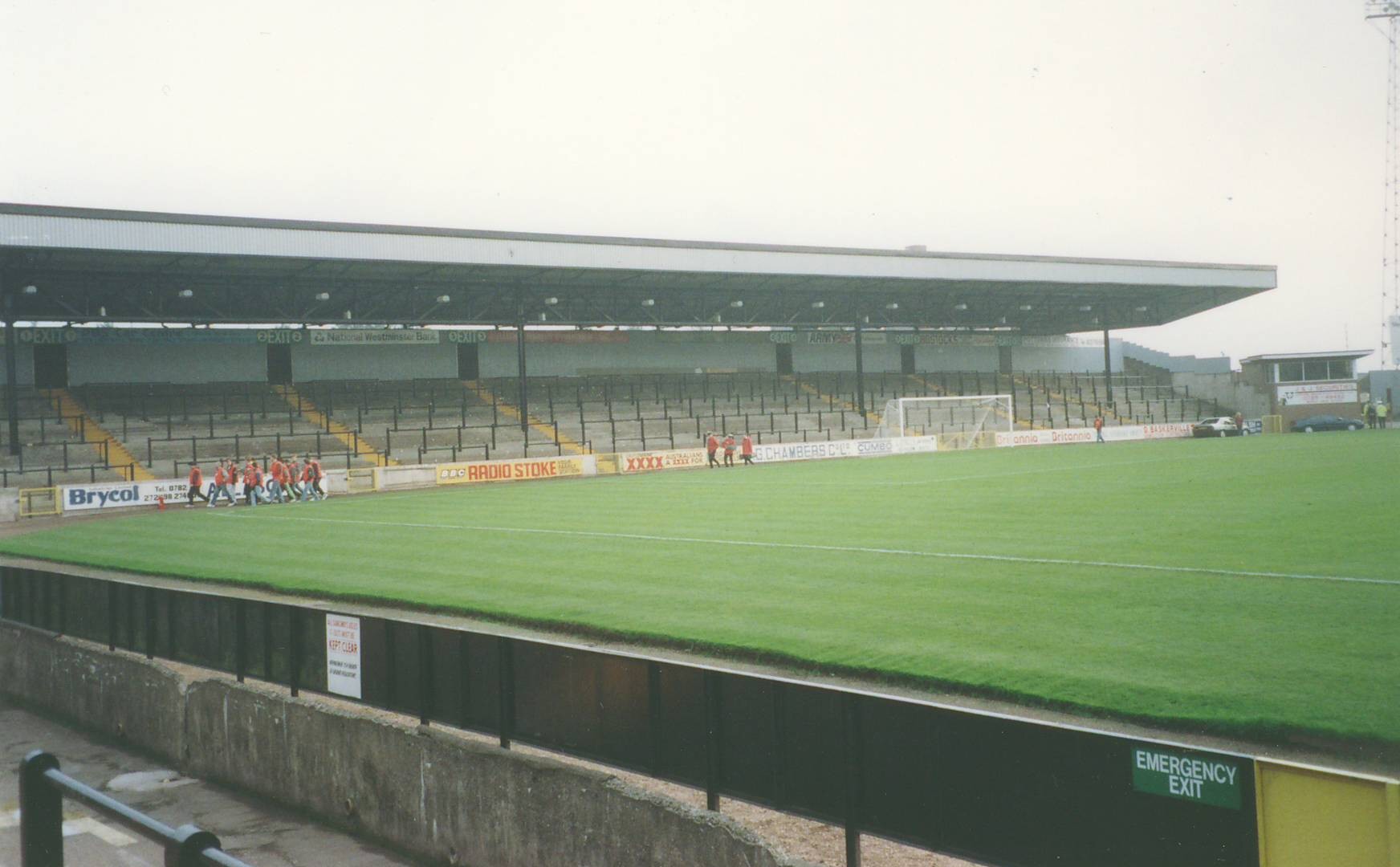
The most obvious place to start is the roof of the main stand which was installed at the previously uncovered Hamil Road End of Port Vale’s Vale Park Ground in 1992. According to Simon Inglis’ Football Grounds of Britain book the stand roof was bought from Chester for a bargain price but the final bill for its transport, re-erection and repainting came to £350,000.

Main Stand 1990 Copyright © http://www.chesterfootballhistory.com
Main Stand 1990
Copyright © http://www.chesterfootballhistory.com
Demolition of the stand roof Copyright © http://www.chesterfootballhistory.com
Demolition of the stand roof
Copyright © http://www.chesterfootballhistory.com
Stand roof during demolition Copyright © http://www.chesterfootballhistory.com
Stand roof during demolition
Copyright © http://www.chesterfootballhistory.com

Inglis’ book also states that some surplus roof cladding from Sealand Road was also used at the other end of the ground in the small angled Family stand between the Railway and Bycars Lane Stands.

Coincidentally the first team to utilise the new covered Hamil Road End was Chester when they played a League Two fixture at the ground in September 1992 and were beaten 2-0. The following photographs were taken by Fraser Warburton at that game and with no adverts or Vale branding the stand still looks very much like it did at Sealand Road.

Hamil Road End Port Vale September 1992 Copyright © Fraser Warburton
Hamil Road End Port Vale September 1992
Copyright © Fraser Warburton
Corner of the stand at Vale Park Copyright © Fraser Warburton
Corner of the stand at Vale Park
Copyright © Fraser Warburton
Standing at Vale Park in September 1992 Copyright © Fraser Warburton
Standing at Vale Park in September 1992
Copyright © Fraser Warburton
Port Vale v Chester - September 1992

Inglis’ book also states that some surplus roof cladding from Sealand Road was also used at the other end of the ground in the small angled Family stand between the Railway and Bycars Lane Stands.

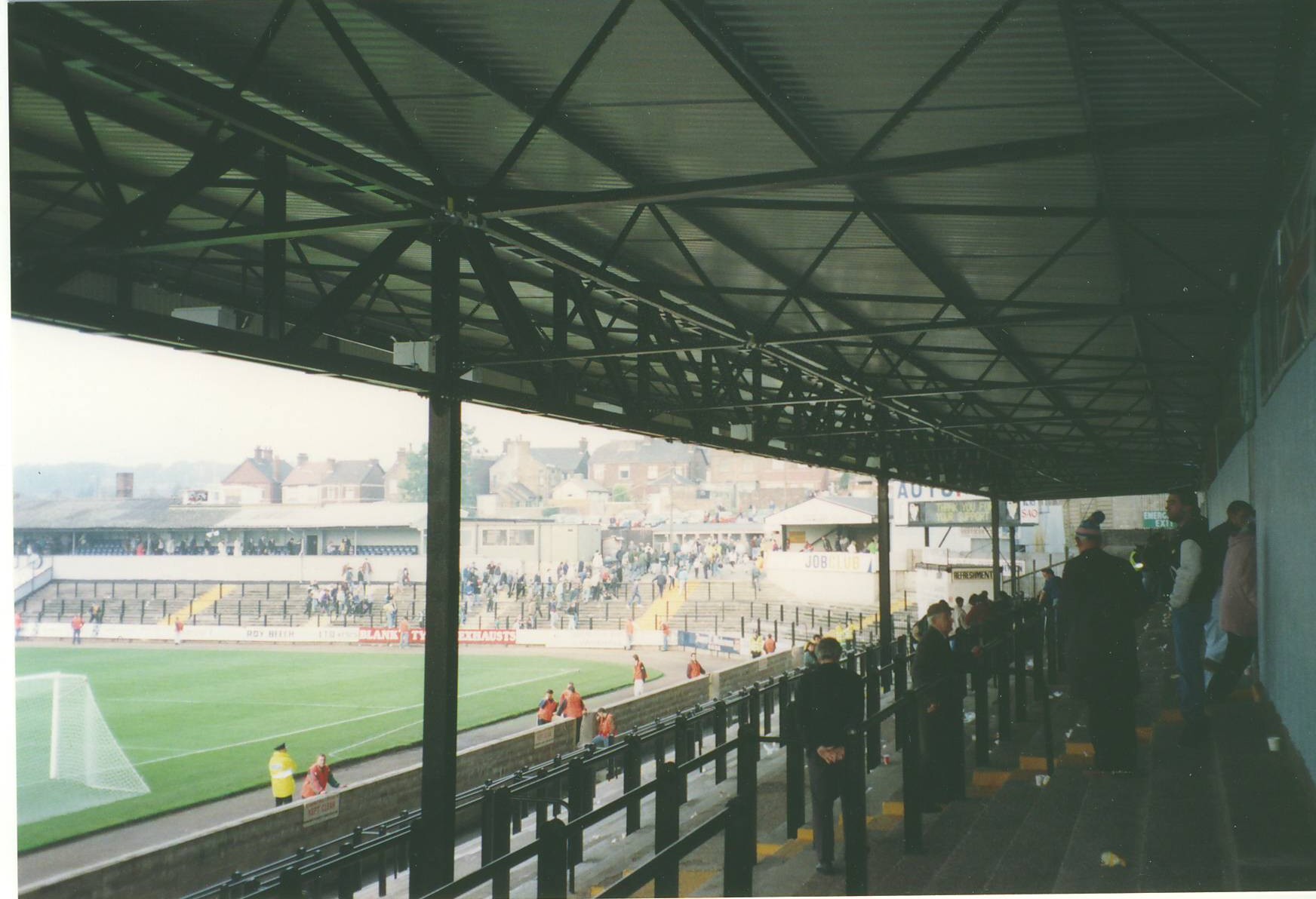
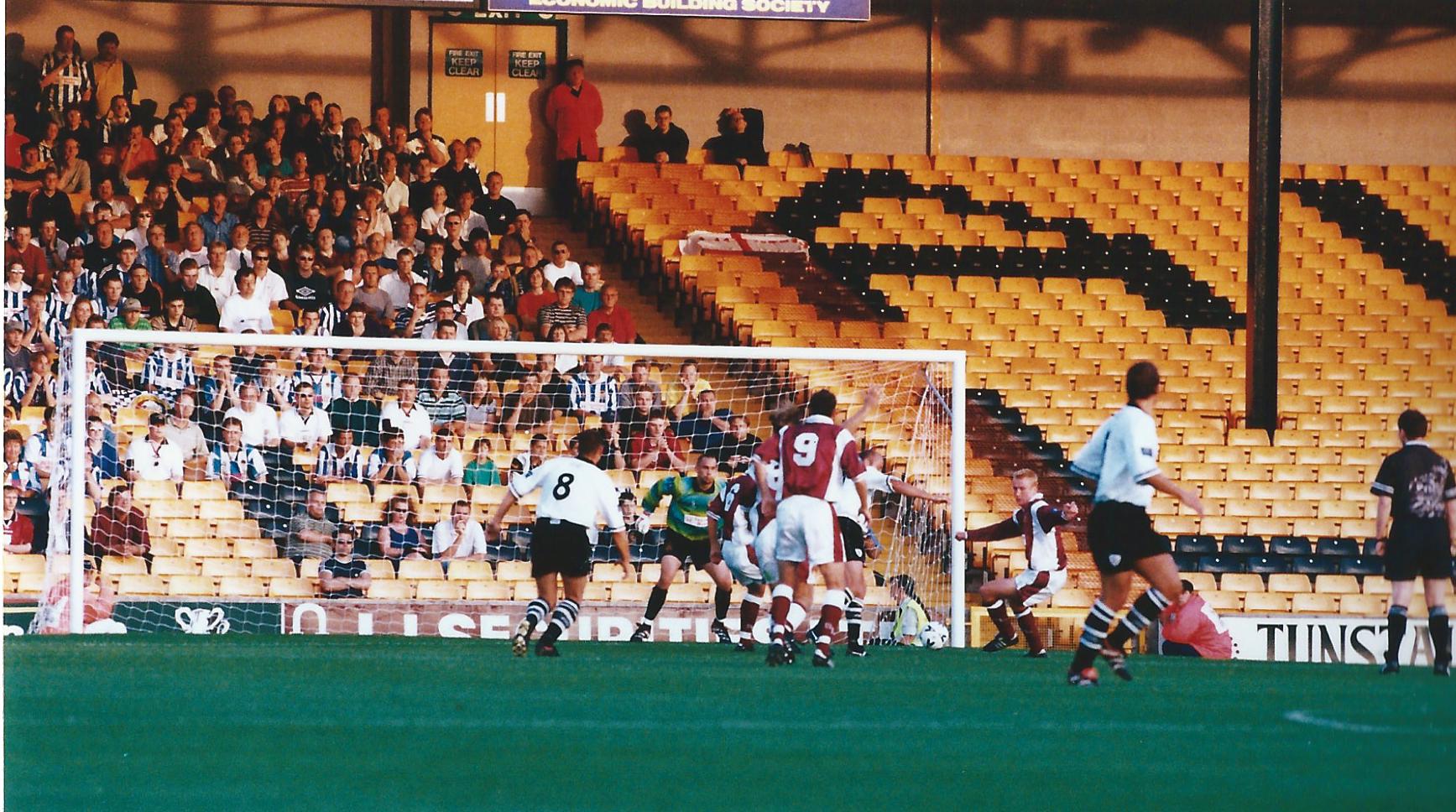
In 1995, 4,550 seats were installed and Blues fans were able to sit under the stand roof for the first time for a Worthington Cup tie in 1998. Two Luke Beckett goals gave Chester a 2-1 victory in that game. There was a return to the ground the following year in the same competition for that memorable 4-4 draw in Terry Smith’s first game in charge.

Sitting under the stand roof - Port Vale v Chester in September 1998 Copyright © NWN Media
Sitting under the stand roof – Port Vale v Chester in September 1998
Copyright © Leader newspaper

The second item was salvaged form the demolition of the ground in 1992 by supporter Alan Potter who managed to carry it back to his house in Blacon which is quite an achievment given its size.

Entrance sign
Entrance sign

The admission price board was initially in place at the Sealand Road End as can be seen from my accompanying photo.

The entrance sign in its original location Copyright © http://www.chesterfootballhistory.com
The entrance sign in its original location
Copyright © http://www.chesterfootballhistory.com

The final item is a gem from the old wooden Sealand Road stand and is the sign from above the away team dressing room that I was given several years ago.

Sign from old Sealand Road stand

Copyright © 2013 http://www.chesterfootballhistory.com All Rights Reserved

← Back

Thank you for your response. ✨