Football League Application Brochure 1931

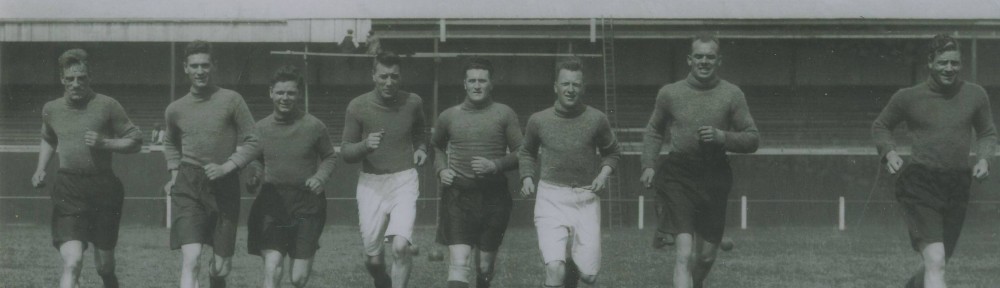
When Charlie Hewitt was appointed as Chester’s first Secretary-Manager in 1930 the club made the decision to go all out for Football League status.

Ambitious plans were put in place with admission prices increased to fund exciting new signings like ex Scottish internationals Dave Morris and Phil McCloy, Bobby Irvine the former Everton and Ireland international and crucially, Arthur Gale from West Bromwich Albion. Gale, a schoolmaster from Bury went on to score 73 goals in 39 league games as the Chester public responded to Hewitt’s exciting team.

With attendances soaring there was a real buzz in the city and the excitement was reflected in ambitious ground developments included completely covering the Sealand Road End and extensions to the main stand.

As part of the push for admission to the Football League the directors personally visited all the 1st and 2nd Division clubs and also produced an impressive 16 page booklet outlining Chester’s case. Priced at one shilling and printed by Taplen and Paddock with a card cover it appears to have been available for general purchase.

The booklet was published in April 1931, after the last home game of the season, and amongst the most fascinating details are a list of attendances and gate receipts for all home fixtures ranked from highest to lowest. Uniquely the table also publishes the weather conditions for each game and it is interesting to note that the game against Nantwich in January was played in heavy snow and still attracted an attendance of 4,043.

Highest attendance of the season was for the top of the table clash against Port Vale Reserves on Good Friday. The game coincided with the unveiling of the extension to the main stand and there were 13,000 in attendance beating the record of 11,507 set only a week earlier when Cardiff City were the visitors for a Welsh Cup 6th Round tie.

The new stand extension can be seen in one of the photos in the brochure and it was during the close season that the stand was further extended towards the Kop. The brochure itself puts the ground capacity at 16,000.

Meanwhile the Sealand Road End had been completely covered and that roof remained in place until 1987. I’m sure many people will remember being showered by rust when a stray shot hit the roof.

Also included in the brochure was information sent by the London Midland and Scottish Railway Company showing rail times and prices to all the teams in the Third Division North. Interestingly the train company states that it would be possible to arrange special trains for nearer places and matches starting late.

The brochure put forward an excellent case with a section on the city itself as well as mentioning how well the ground was served by a frequent bus service and a car park capable of holding 200 cars. As for the ground itself, mention is made of the Grand Stand equipped with electric lighting and telephone along with players’ dressing rooms that were centrally heated and possessing excellent bath accommodation. Accounts also show the club made a profit of £2250 between August 1930 and April 1931.

As a ‘special feature’ attention was drawn to amplifying equipment used to broadcast music and news with the club claiming that this innovation was the first of its kind on any football ground in England.

The booklet clearly helped Chester’s case and two years after they had recorded no votes at all they were elected into the Football League although it needed a second ballot before they took the place of Nelson.

Sealand Road Re-creation

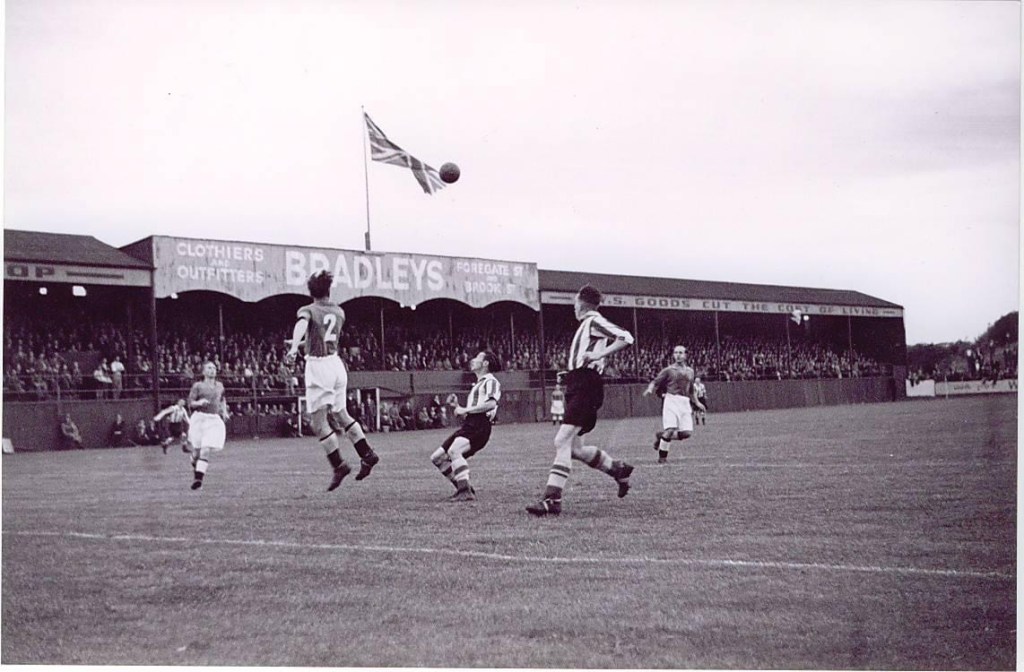
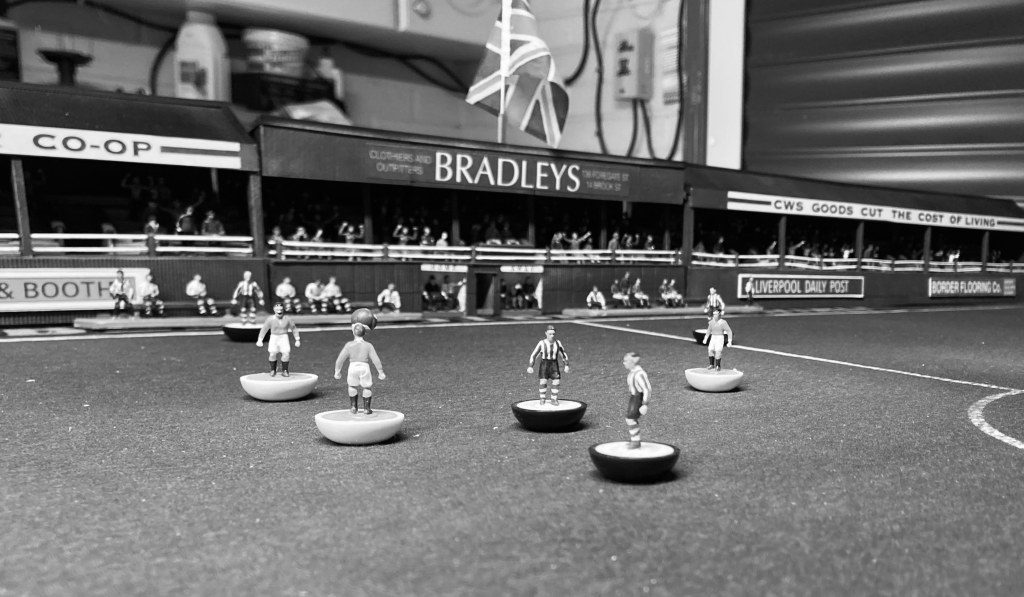
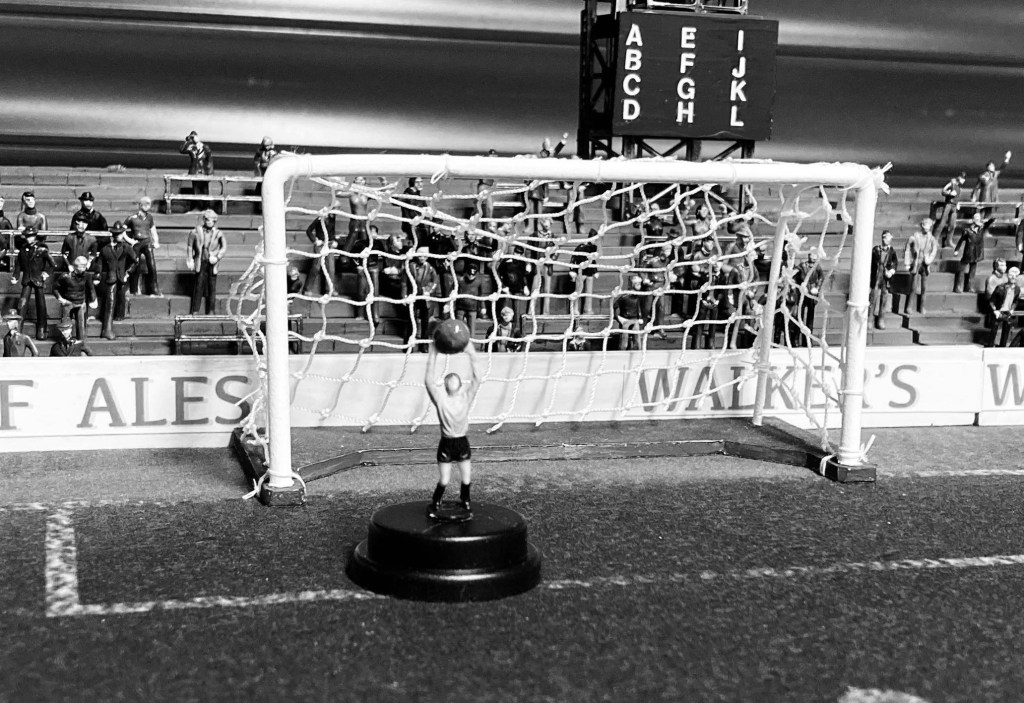
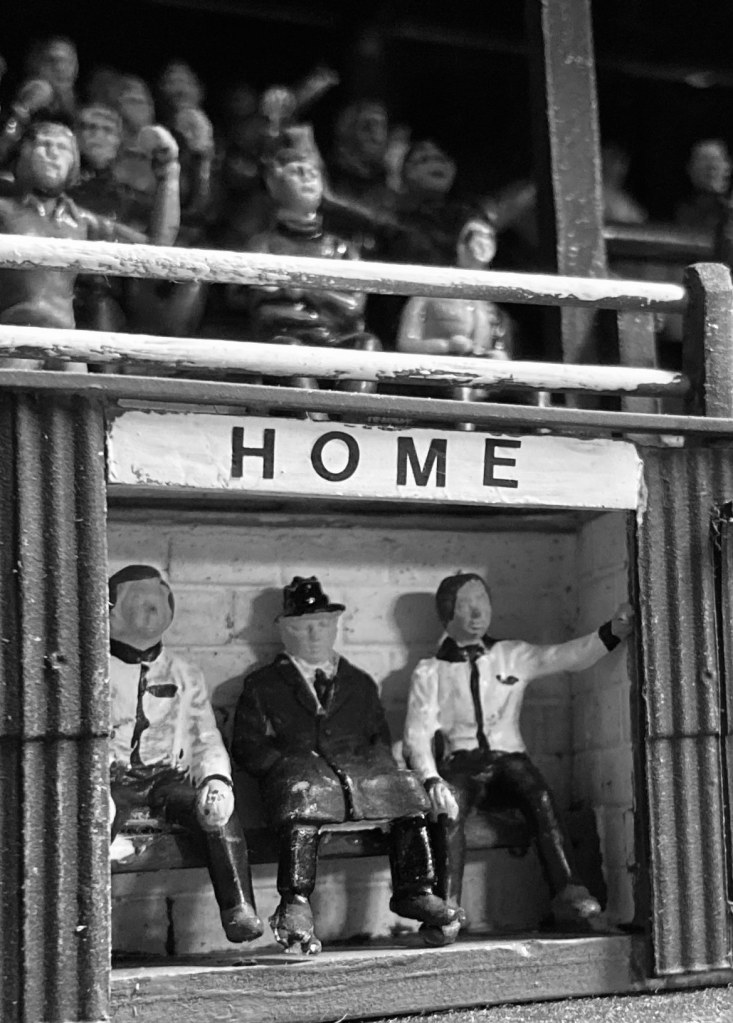
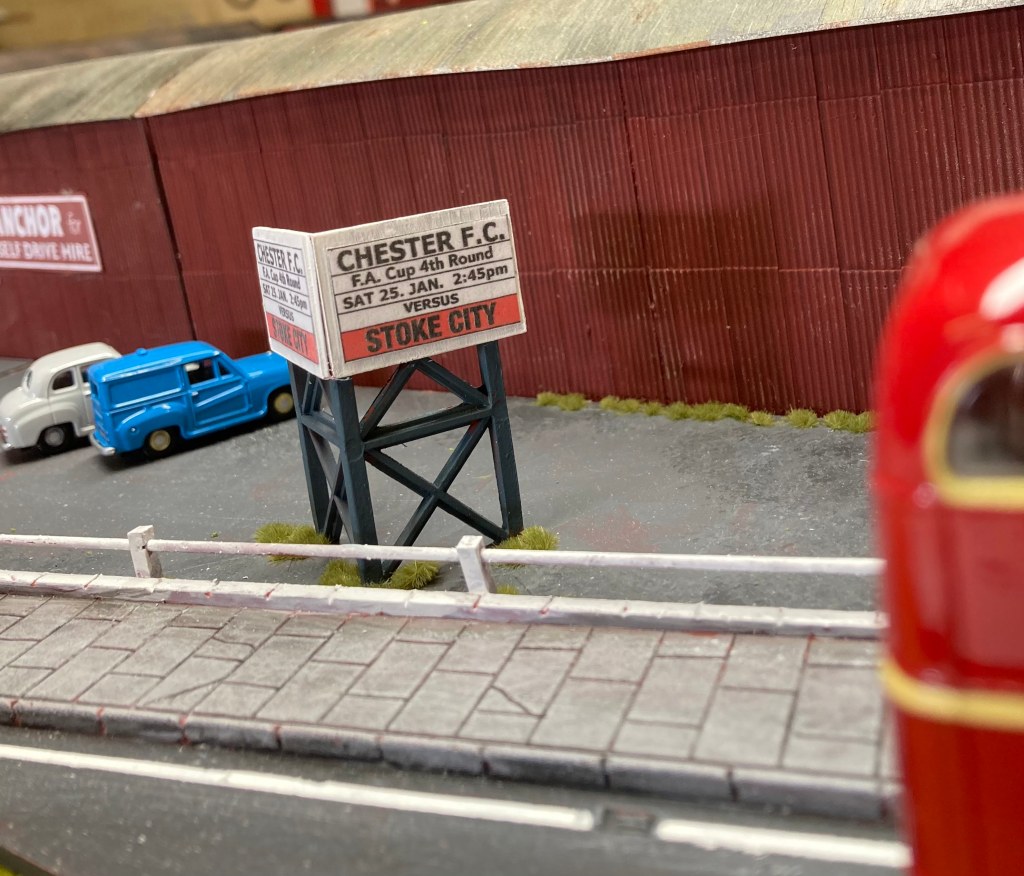
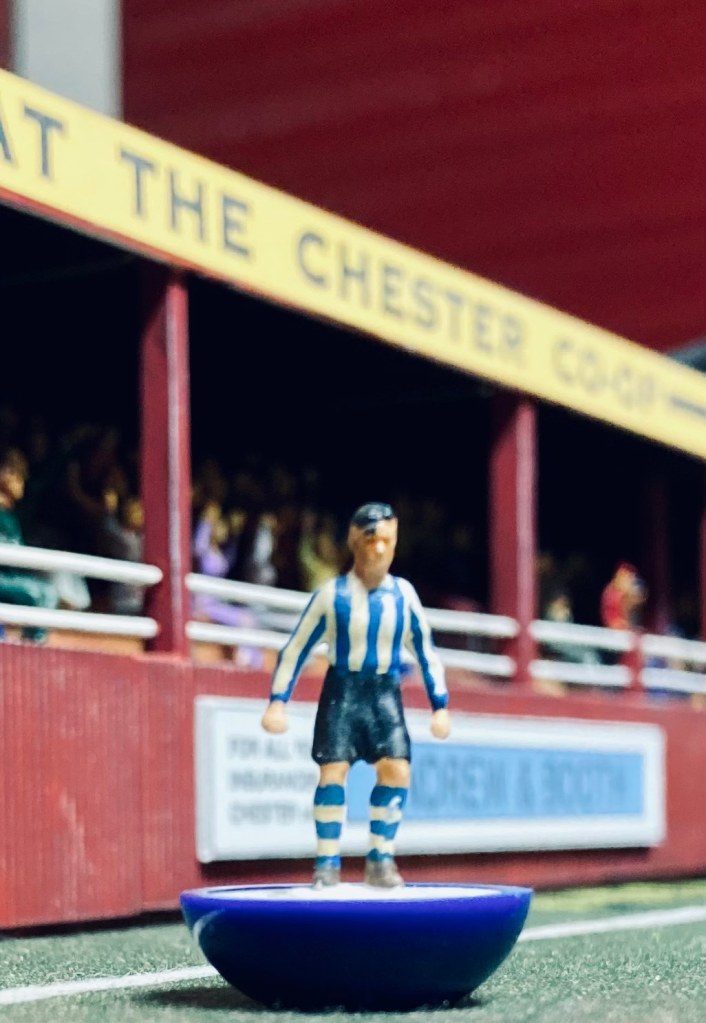
A few weeks ago I published a post displaying pictures of the Sealand Road model created by Derek Astbury. Derek is the son of former player Tommy Astbury, who played 303 league games for the clubs in the 1940s and 1950s. He has now re-created a selection of pictures taken from his late father’s collection, the Chester City Images of Sport book and the Chester Football History Facebook page.

Hello Albert

Many Chester supporters will remember the Hello Albert fanzine that ran for 28 issues from 1990 to 2000. Edited by Colin Mansley its launch coincided with the departure from Sealand Road and ended with relegation to the Conference under Terry Smith.

In a traumatic 10 years it chronicled one promotion and three relegations alongside exile in Macclesfield, administration under Mark Gutterman and the emergence of the Chester City ISA.

The “stimulating and mildly amusing fanzine” took its name from the 1930s stadium announcer at Sealand Road who would greet supporters with the phrase “Hello Spion Kop. Hello Albert” addressing a long-standing supporter in the ground.

What is not so well known is that this was not the first Chester publication to use the name.

The Chester FC Supporters’ Club was formed in 1949 and not to be confused with the Chester FC Supporters’ Committee which had been established for over 30 years. At first the new group were allocated a small amount of space in the programme but at the end of 1950 they started to produce a very readable official newsheet edited by a Miss Hope. Priced at 1d, the four page publication was initially a folded sheet, slightly smaller than A4, and contained as much reading material as in the official programme. The usual format was an editorial by “Stingo” on the front page, an informative “Presenting the Players” on page 2, club activities on page 3 and a quiz, puzzle or competition on the back page.

Hello Albert – Volume 1

I have a few, odd copies of this newsheet which appears to have been issued every two weeks. The first one I have in this format is number 6, dated March 3rd 1951.The last is number 16 dated October 13th 1951.

In 1953 the format changed as it became a flimsier, double-sided single sheet. The paper was now slightly larger than A4 and it contained more editorial content. The sheet numbering changed to volume 2 and again I have a few odd copies starting with number 1, dated August 22nd 1953 and ending with issue 14 on March 27th 1954.

Hello Albert – Volume 2

I am guessing that the publication ended at the end of the 1953/54 season but I would be interested to hear from anyone who can fill in any gaps in my knowledge or who has old copies. I would especially like to know if the newsheet was issued in 1951/52 and 1952/53 or after the 1953/54 season.
Copyright ©  http://www.chesterfootballhistory.com All Rights Reserved

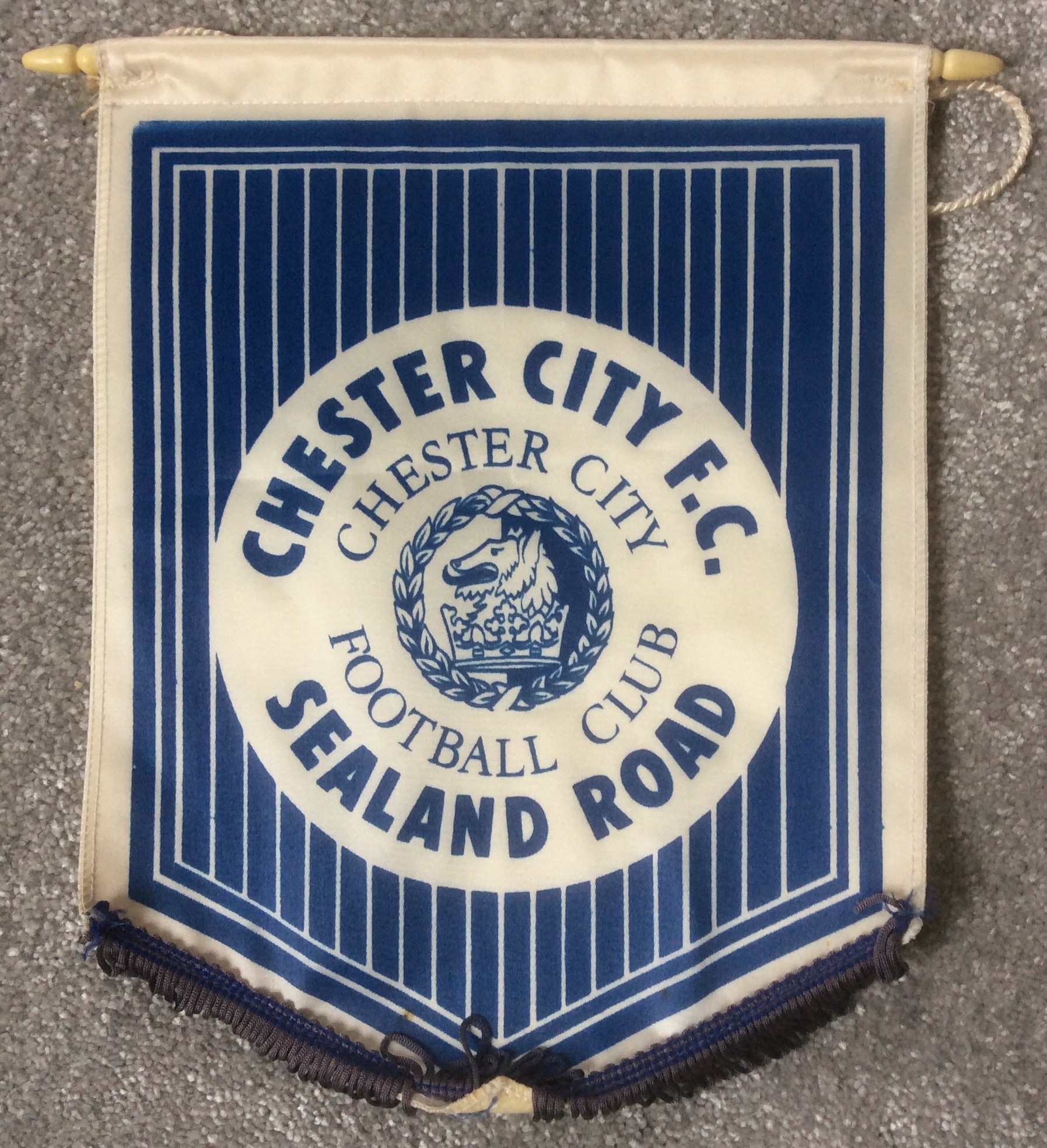
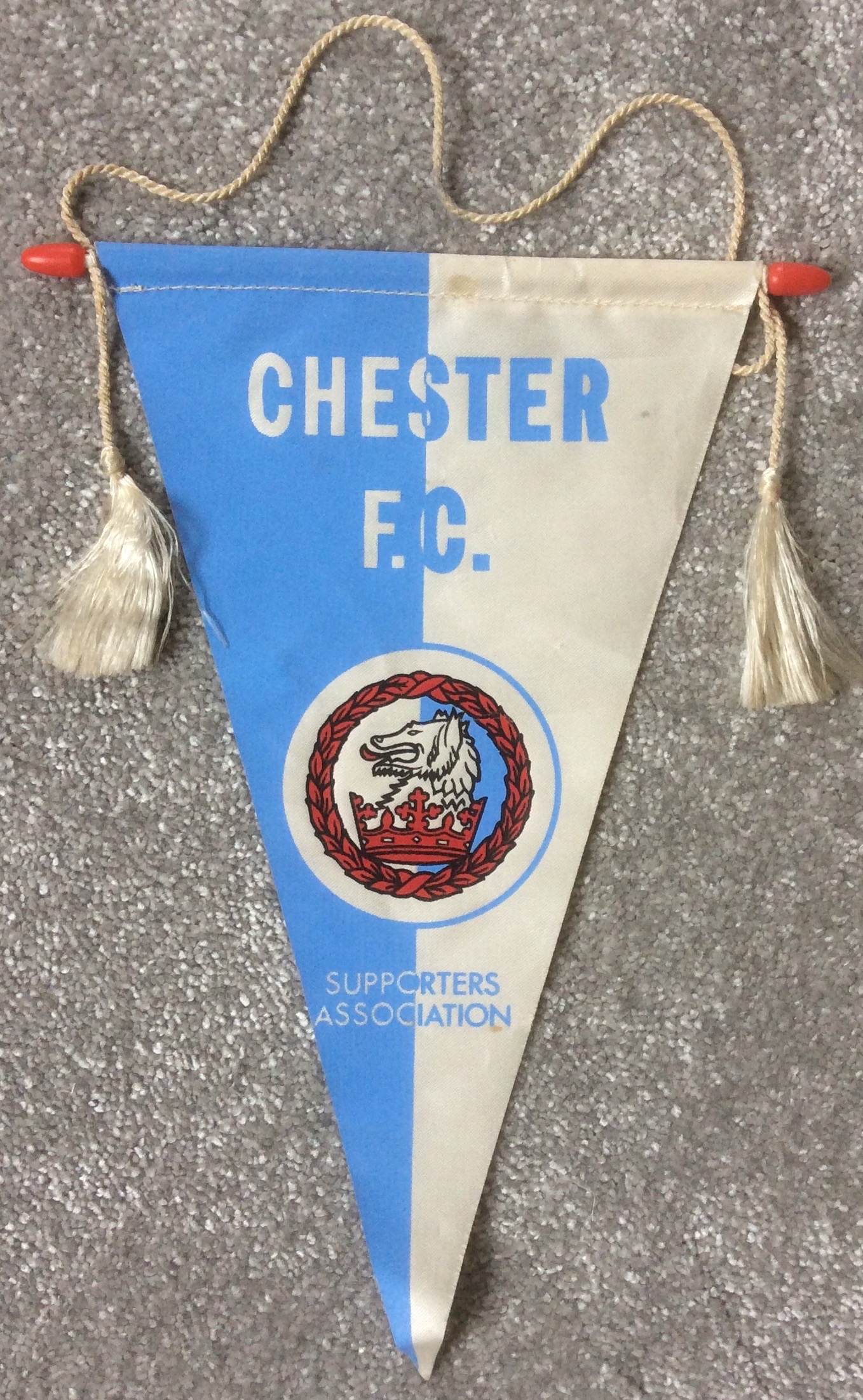
Pennants

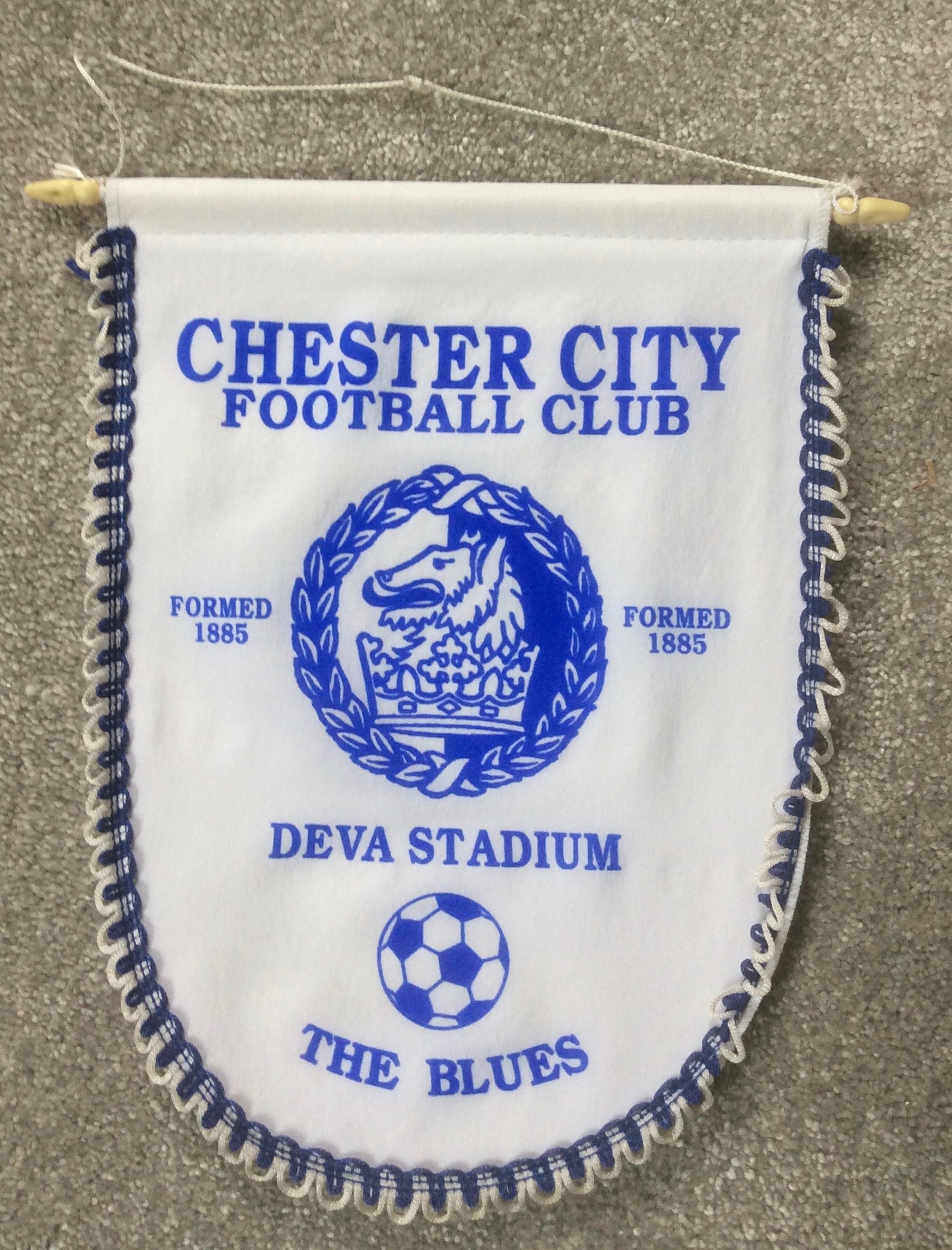
A selection of pre-2010 pennants.

If anyone has any others they would like to add I would be happy to include them here.

Copyright ©  http://www.chesterfootballhistory.com All Rights Reserved

“The Stadium”

One of the most interesting items of club memorabilia I have ever seen was recently loaned to Chester FC chairman Tony Durkin.

A 336 page hardback ledger, spanning the period from November 1932 to February 1937, was in the possession of a relative of former clerk and secretary Billy Peters. It makes fascinating reading as it covers board meetings with subjects ranging from club finances and team selection down to travel arrangements and the provision of fire extinguishers.

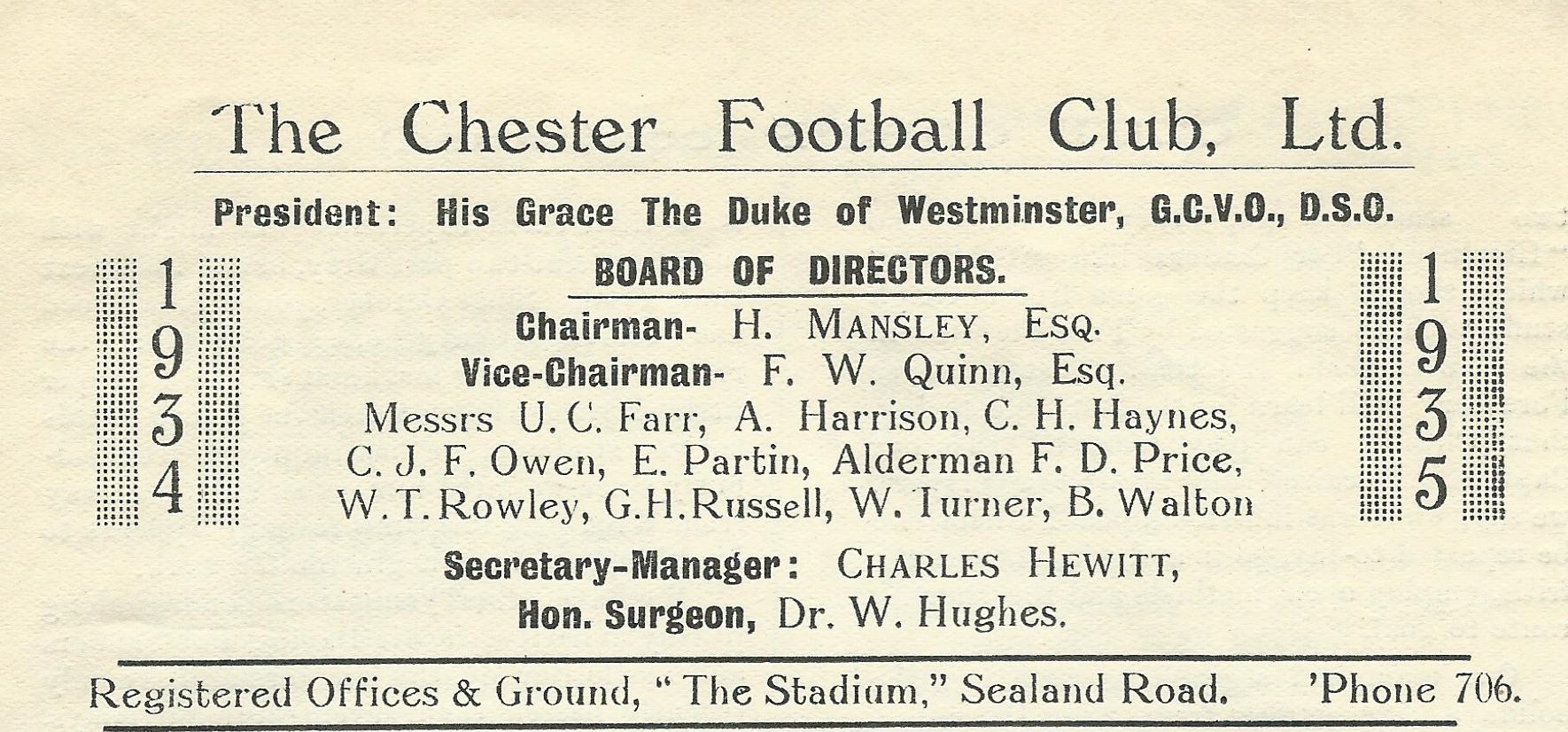
After my recent articles on Sealand Road there was one item that took my eye. In January 1934 item 2945 referred to the naming of the ground:

Naming of the Ground

Naming of the Ground

“Sec-manager recommended the ground be given a name such as “The Stadium”, Sealand Road, Chester. Resolved on the suggestion of Mr C.J.F. Owen that the Chairman and Sec. Manager use the words The Stadium on posters and letterheads when the public would would follow the lead and accept the title.”

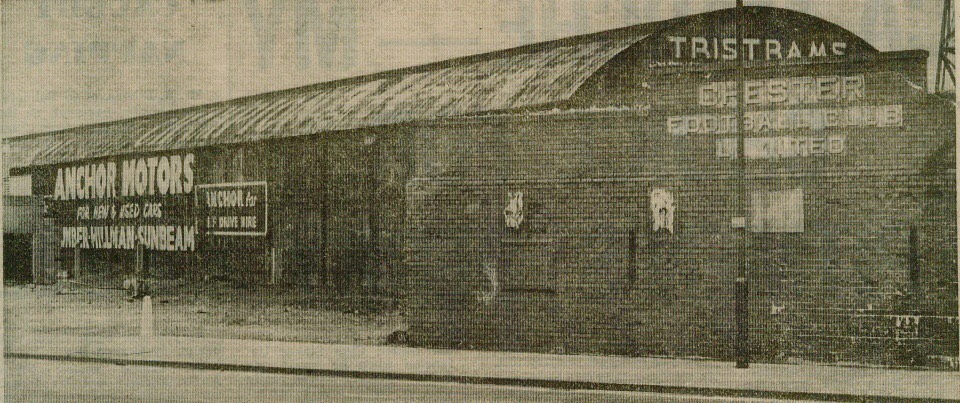
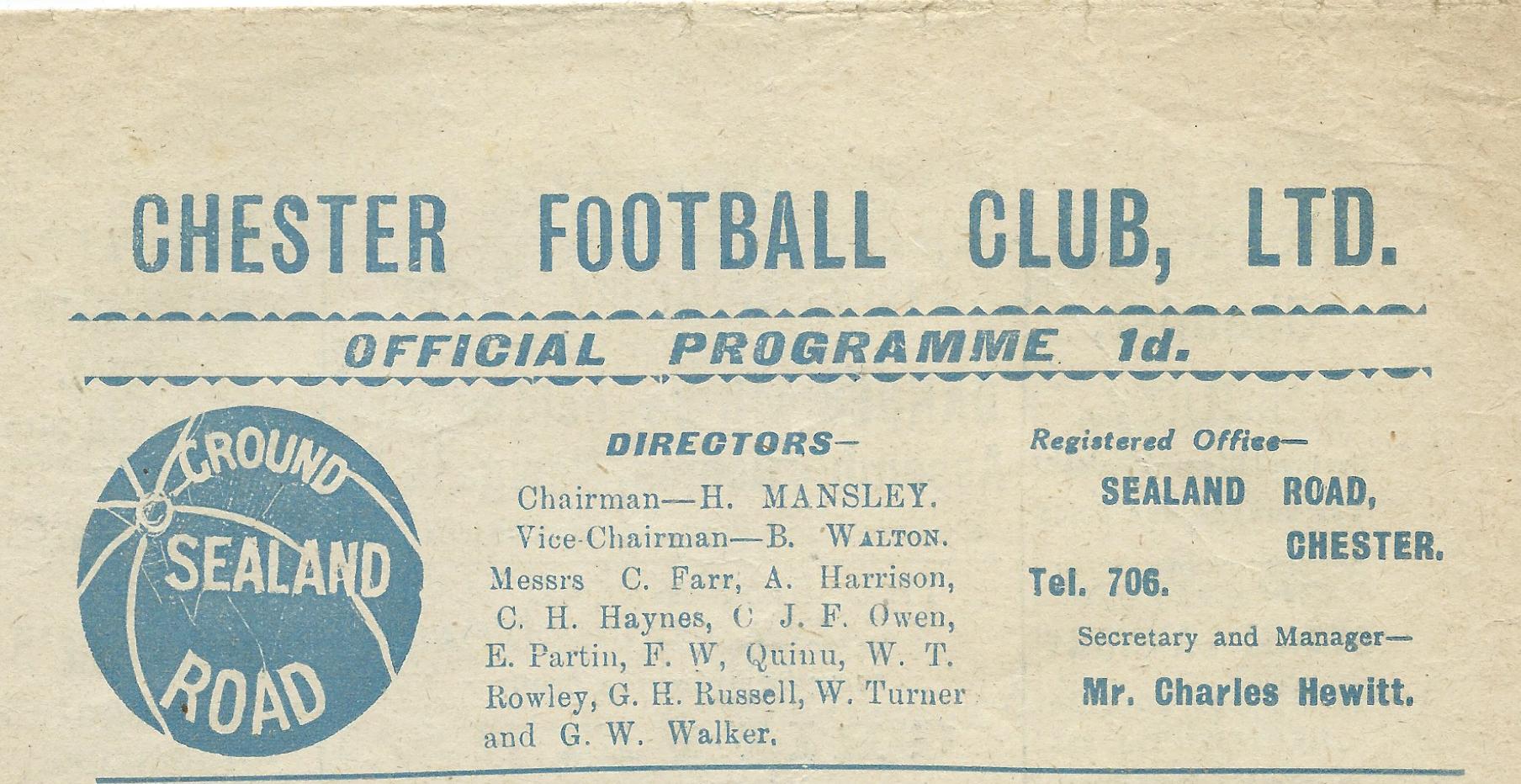
I never appreciated that the ground had formally been entitled “The Stadium” in this way. I had presumed that the name had been adopted by default after its construction in 1906. Given the circumstances I am surprised that such a bland, unimaginative name was endorsed. The naming may have been prompted by the imminent arrival of the Greyhound Stadium, which was built next door the following year, but I would have thought that this would have prompted a more creative title.

Ground name 1932

Ground name 1932

Ground Name 1935

Ground Name 1935

Although The Stadium may have been the official name I think it is fair to say that it never fully caught on. I always though of it as Sealand Road and this was always how the ground was known in footballing circles.
1932 Ledger  Copyright © Rick Matthews

1932 Ledger
Copyright © Rick Matthews

Copyright © 2013 http://www.chesterfootballhistory.com All Rights Reserved