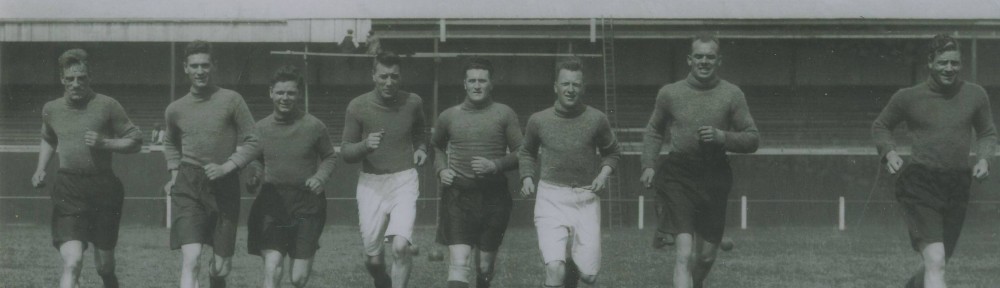
When Charlie Hewitt was appointed as Chester’s first Secretary-Manager in 1930 the club made the decision to go all out for Football League status.
Ambitious plans were put in place with admission prices increased to fund exciting new signings like ex Scottish internationals Dave Morris and Phil McCloy, Bobby Irvine the former Everton and Ireland international and crucially, Arthur Gale from West Bromwich Albion. Gale, a schoolmaster from Bury went on to score 73 goals in 39 league games as the Chester public responded to Hewitt’s exciting team.
With attendances soaring there was a real buzz in the city and the excitement was reflected in ambitious ground developments included completely covering the Sealand Road End and extensions to the main stand.
As part of the push for admission to the Football League the directors personally visited all the 1st and 2nd Division clubs and also produced an impressive 16 page booklet outlining Chester’s case. Priced at one shilling and printed by Taplen and Paddock with a card cover it appears to have been available for general purchase.

The booklet was published in April 1931, after the last home game of the season, and amongst the most fascinating details are a list of attendances and gate receipts for all home fixtures ranked from highest to lowest. Uniquely the table also publishes the weather conditions for each game and it is interesting to note that the game against Nantwich in January was played in heavy snow and still attracted an attendance of 4,043.

Highest attendance of the season was for the top of the table clash against Port Vale Reserves on Good Friday. The game coincided with the unveiling of the extension to the main stand and there were 13,000 in attendance beating the record of 11,507 set only a week earlier when Cardiff City were the visitors for a Welsh Cup 6th Round tie.
The new stand extension can be seen in one of the photos in the brochure and it was during the close season that the stand was further extended towards the Kop. The brochure itself puts the ground capacity at 16,000.

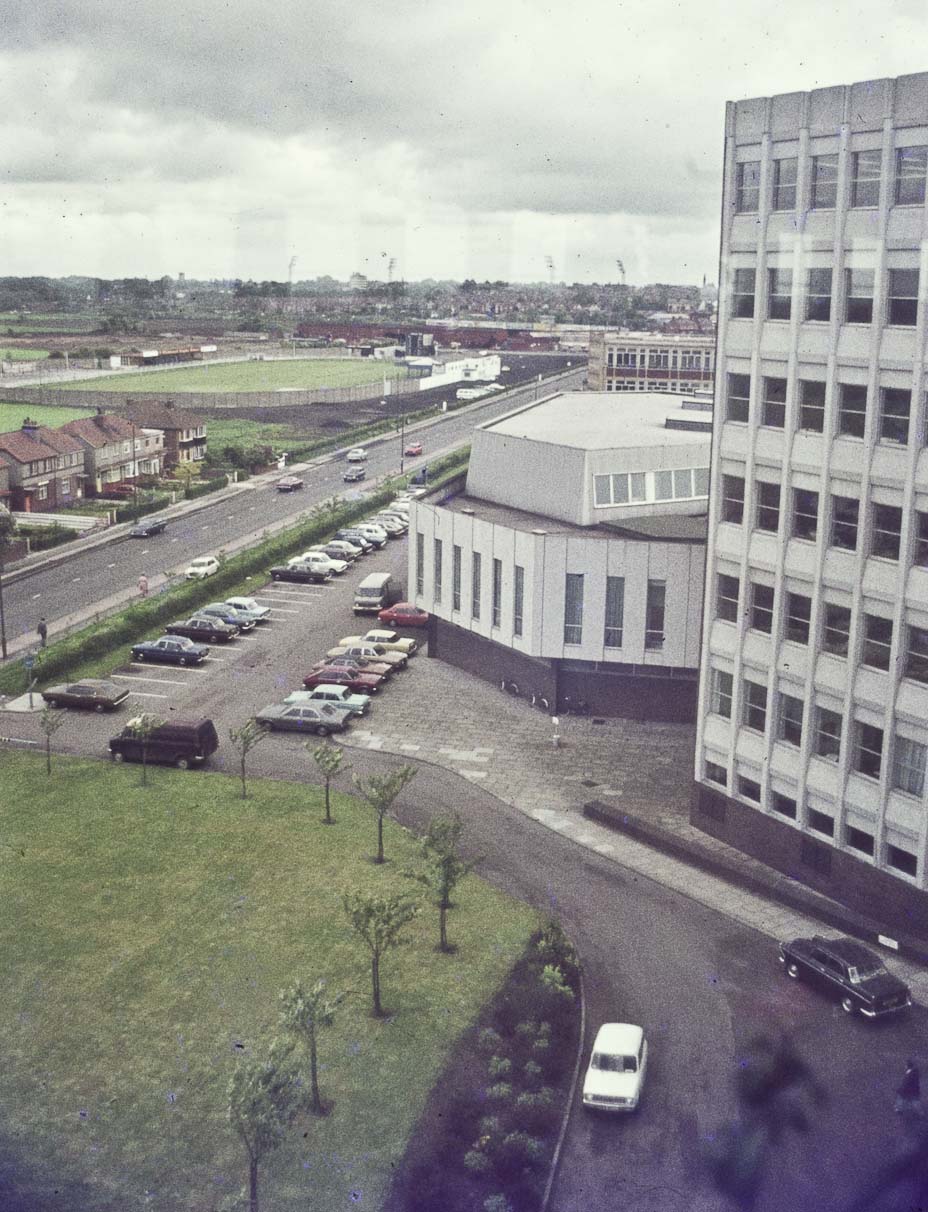
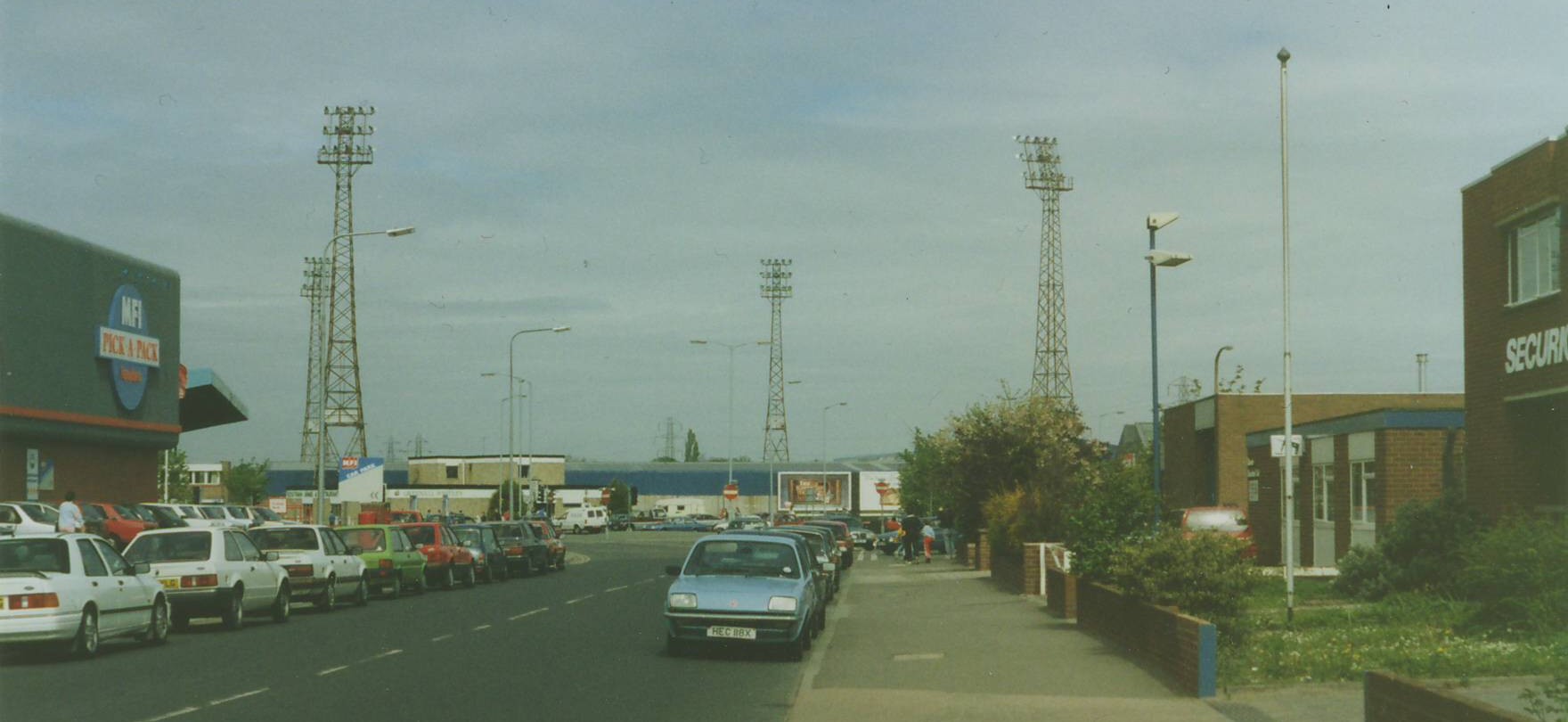
Meanwhile the Sealand Road End had been completely covered and that roof remained in place until 1987. I’m sure many people will remember being showered by rust when a stray shot hit the roof.

Also included in the brochure was information sent by the London Midland and Scottish Railway Company showing rail times and prices to all the teams in the Third Division North. Interestingly the train company states that it would be possible to arrange special trains for nearer places and matches starting late.


The brochure put forward an excellent case with a section on the city itself as well as mentioning how well the ground was served by a frequent bus service and a car park capable of holding 200 cars. As for the ground itself, mention is made of the Grand Stand equipped with electric lighting and telephone along with players’ dressing rooms that were centrally heated and possessing excellent bath accommodation. Accounts also show the club made a profit of £2250 between August 1930 and April 1931.
As a ‘special feature’ attention was drawn to amplifying equipment used to broadcast music and news with the club claiming that this innovation was the first of its kind on any football ground in England.
The booklet clearly helped Chester’s case and two years after they had recorded no votes at all they were elected into the Football League although it needed a second ballot before they took the place of Nelson.


 Chester Football History