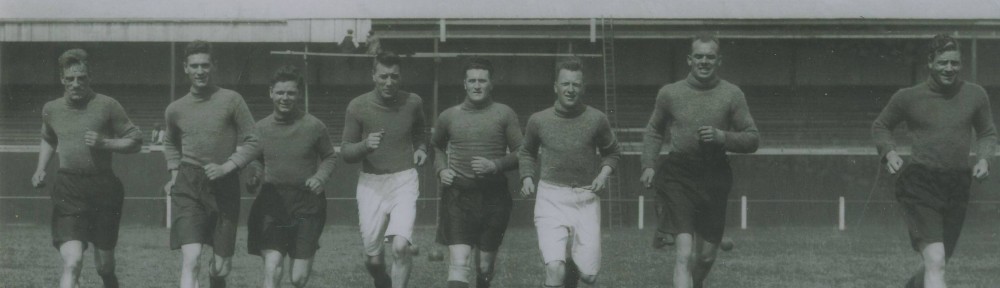
A Study of a Soccer Club – 1963

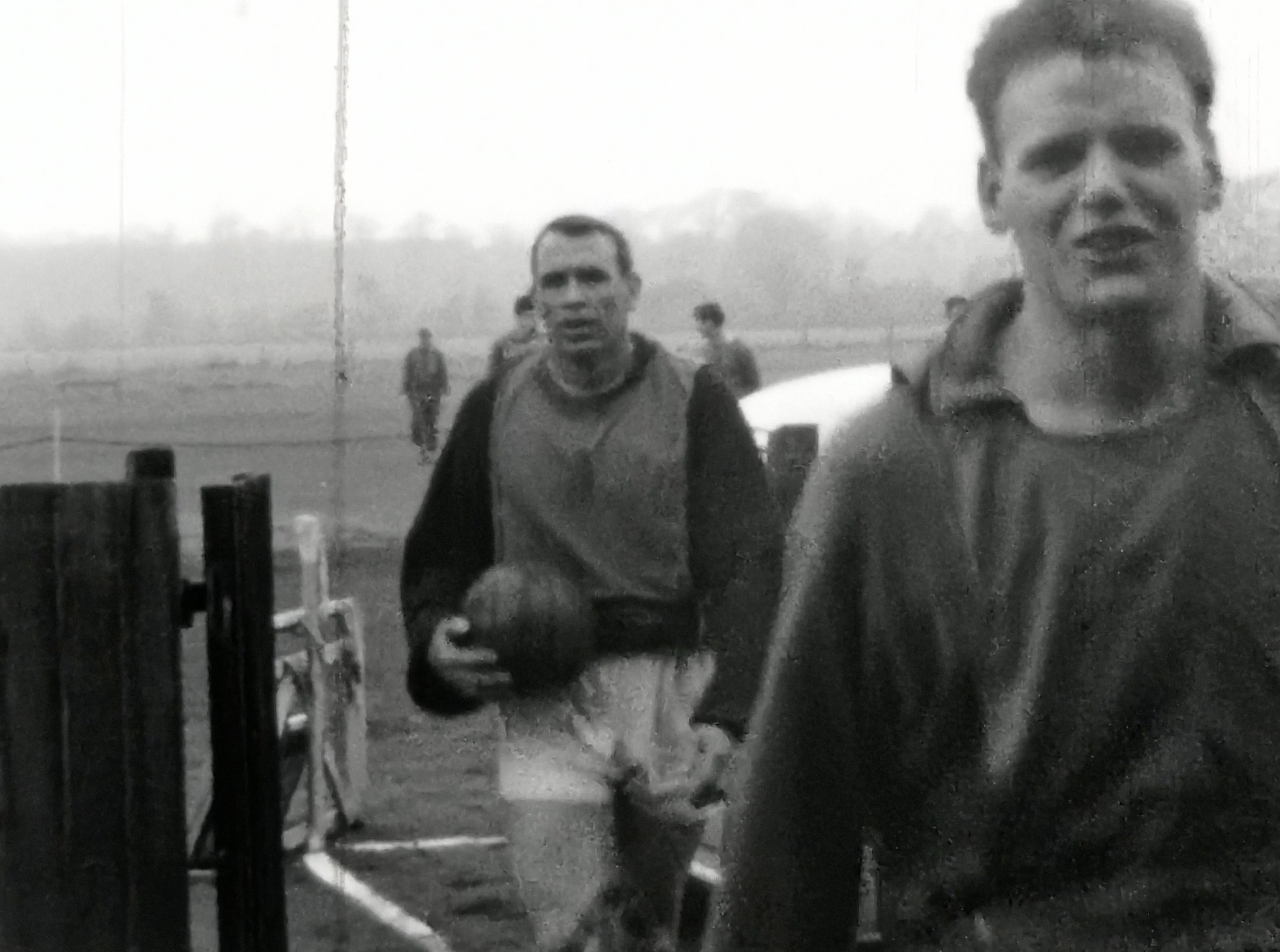
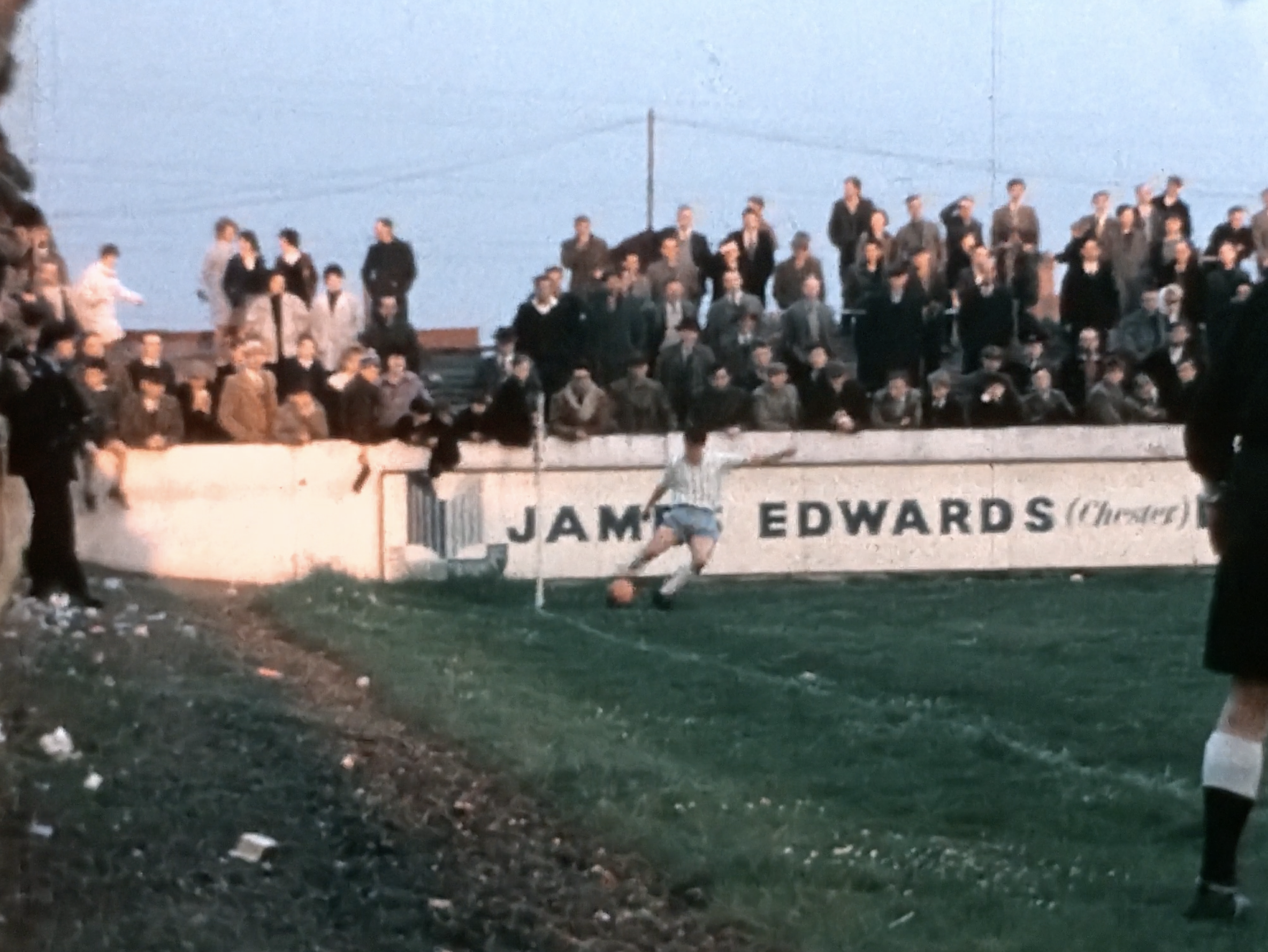
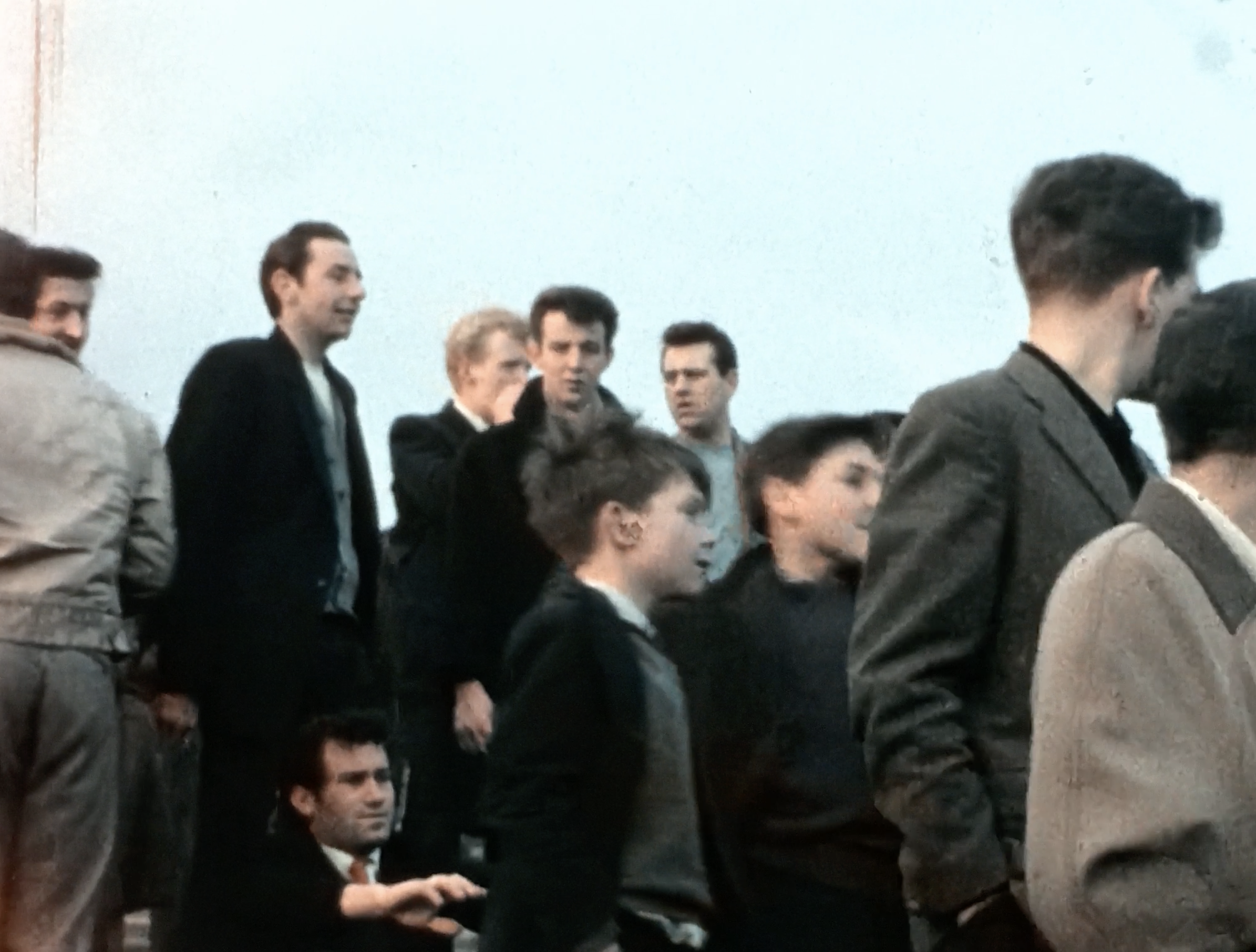
In May 1963 two students, Tom Carter and Rod Underwood, were given the task of producing a film as part of their teacher training course. As a last minute decision they bought a cheap cine camera and went down to the Sealand Road ground to film both inside and outside the ground. In addition they recorded a training session on the Annexe before ending with action from an evening game against Chesterfield.
After 60 years this superb 22 minute film has been unearthed and I will be showing it at a meeting of the Senior Blues at the football club on Friday March 5th at 10:30am. I hope to follow this up with a general showing at a later date.

What makes this film so special to my mind is that it is unedited. Although there are some experimental sections in the middle I feel that the film would have lost a lot of its impact if it had been edited down to a few minutes. The footage is certainly very raw but this is advantageous because you get so see unusual views of the whole stadium which would in all likelihood have been cut out.

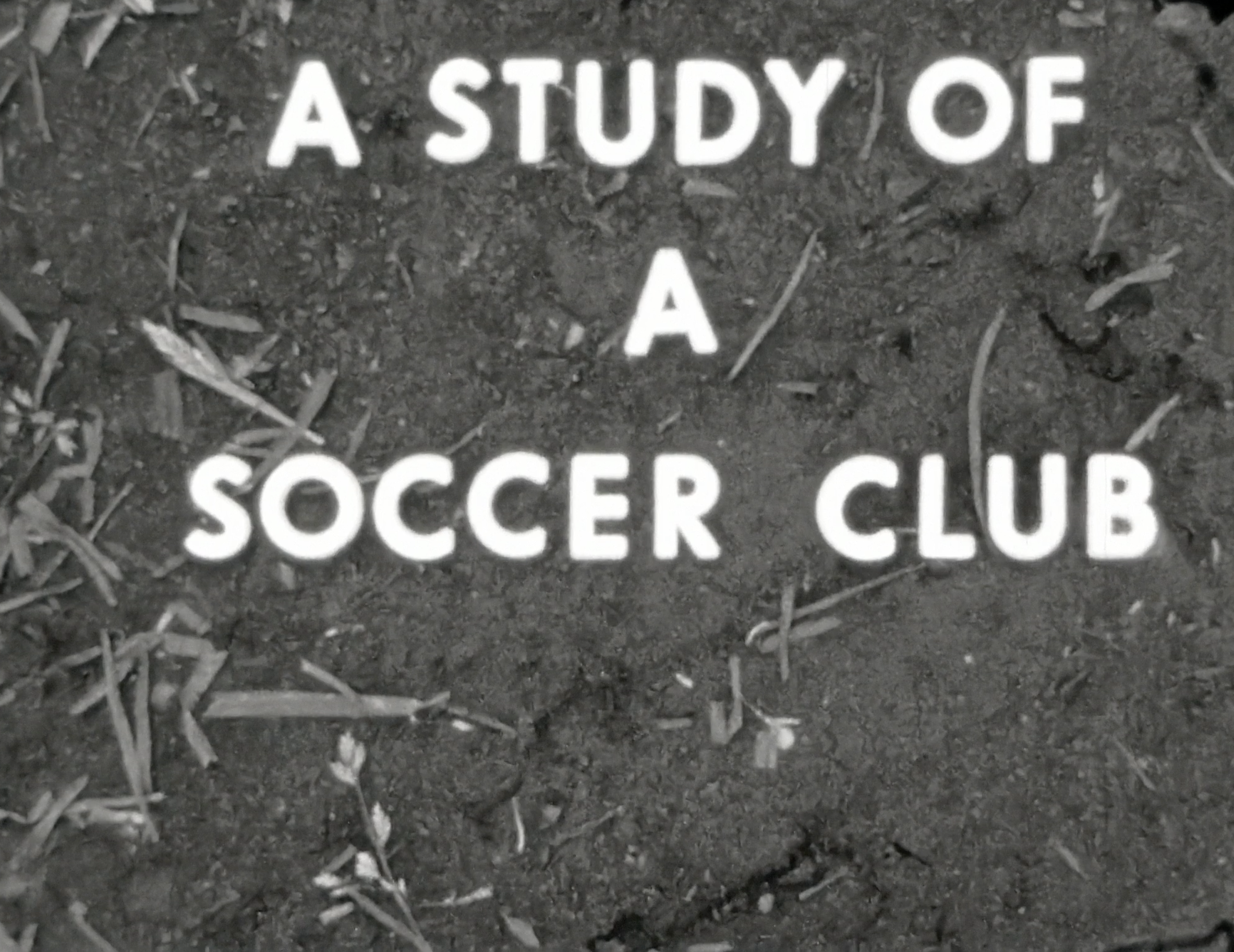
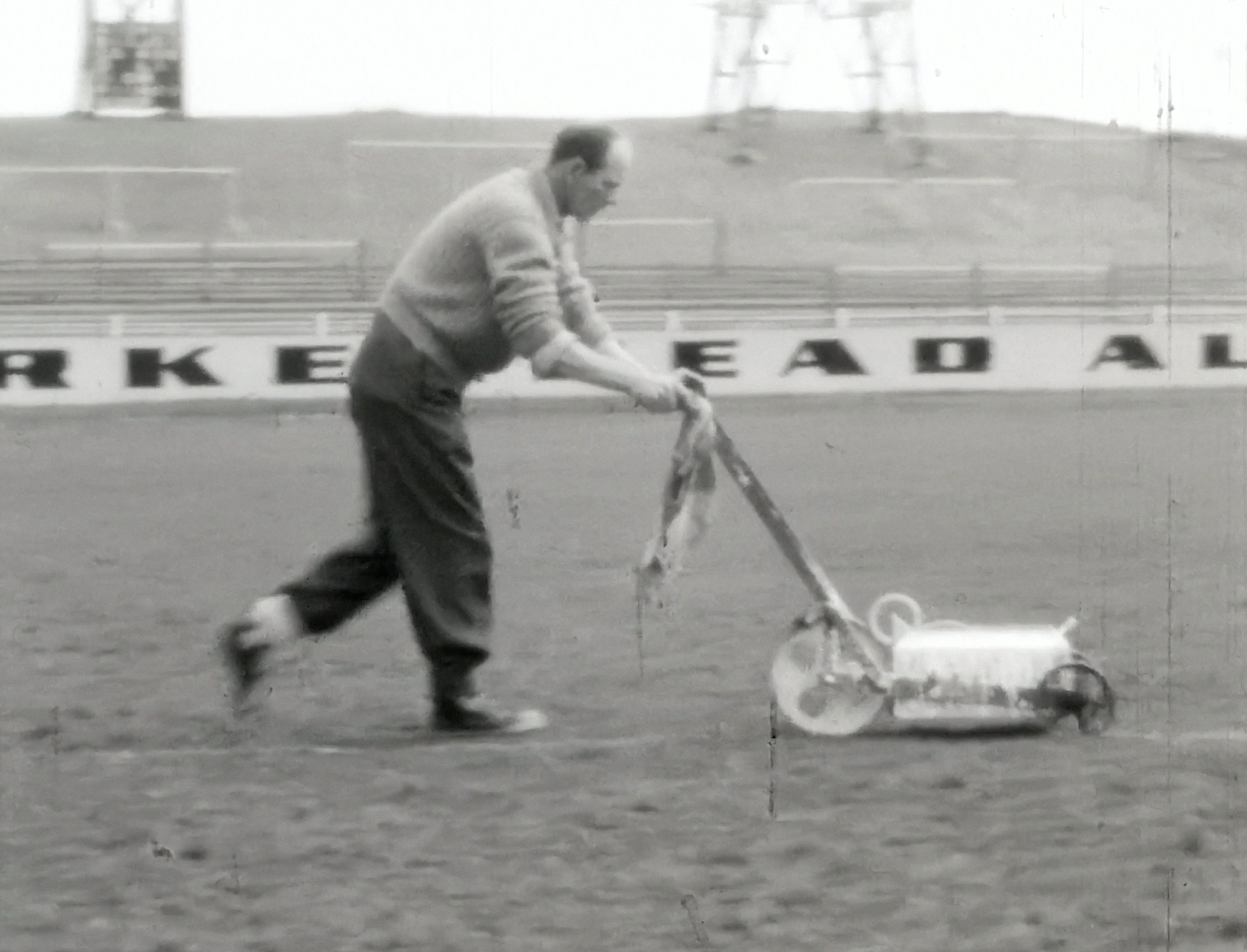
The film opens with footage of the pitch being marked out before moving to the outside of the ground. There are views of the back of the stand as well as the floodlights which were still a novelty as they had only been in place for three years.
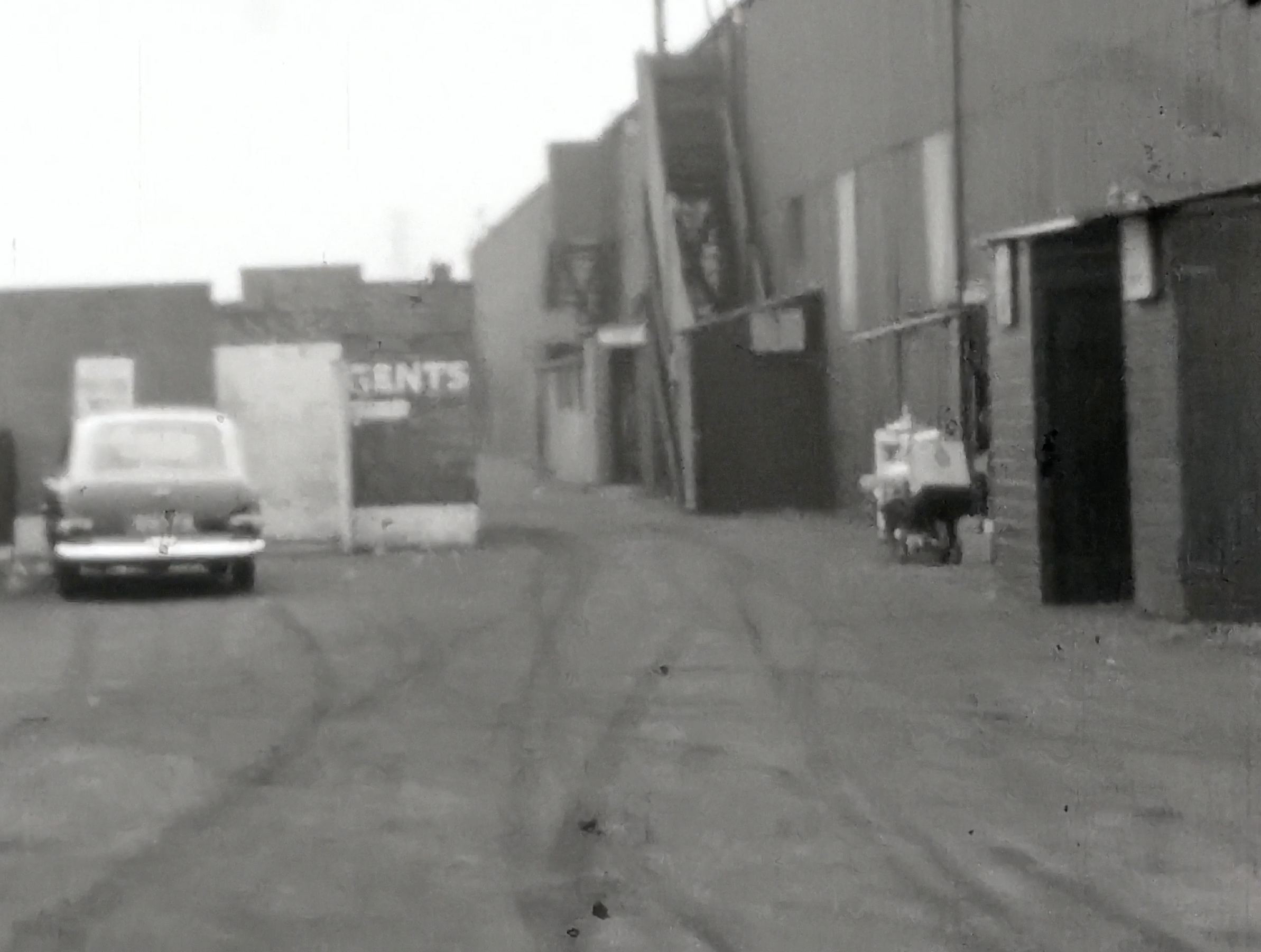
We then move to film of Bill Myerscough arriving at the Stadium in his Volkswagen Beetle before moving inside the ground to see the treatment room and a variety of views inside the old wooden stand.

After six minutes we move out to the Annexe to see the players training with the likes of John Molyneux, John Butler, John Hardie, Elfed Morris Colin Corbishley and Ron Hewitt amongst many others in view. There are great views of the back of the main stand with the greyhound stadium and buildings on Sealand Road also in evidence.
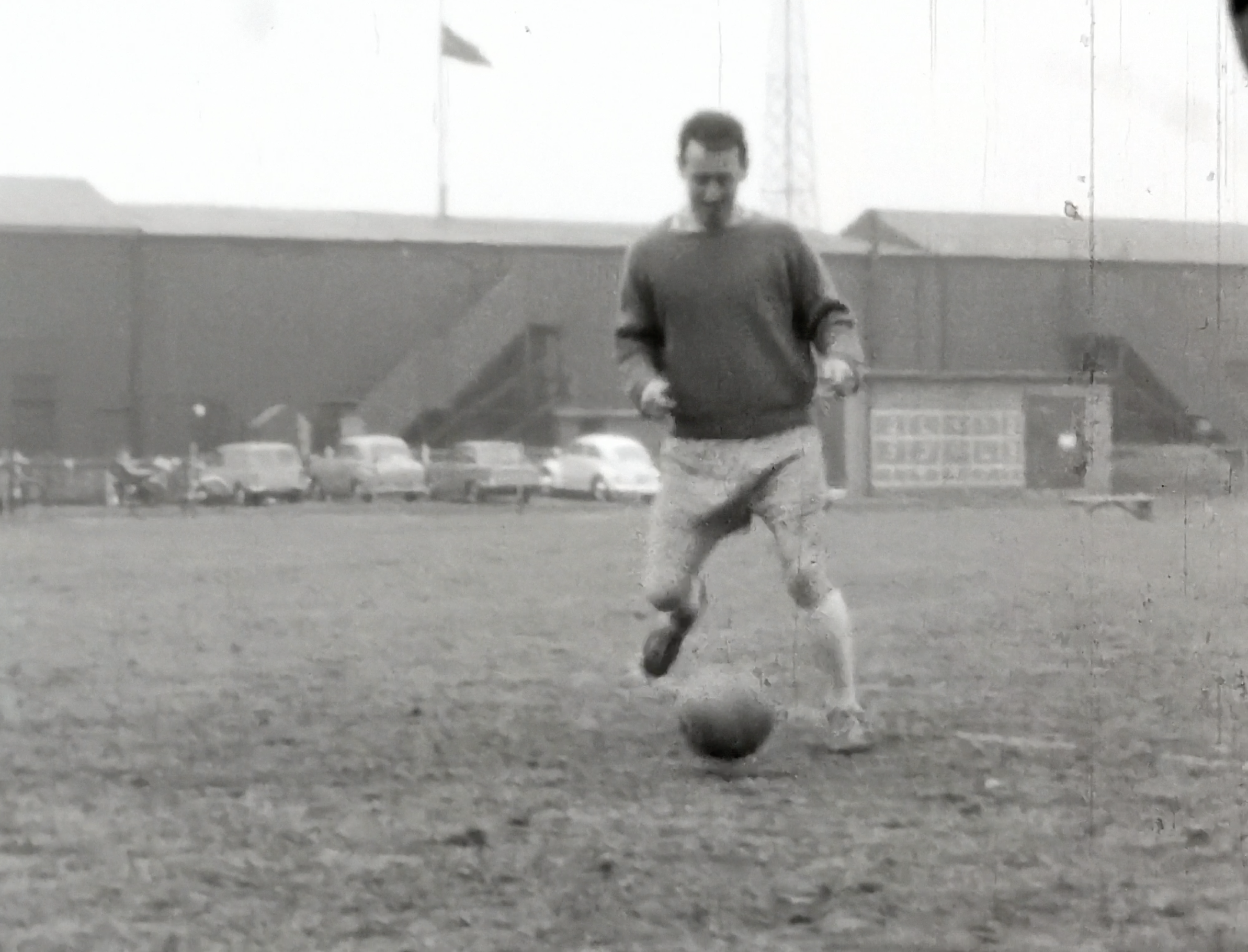
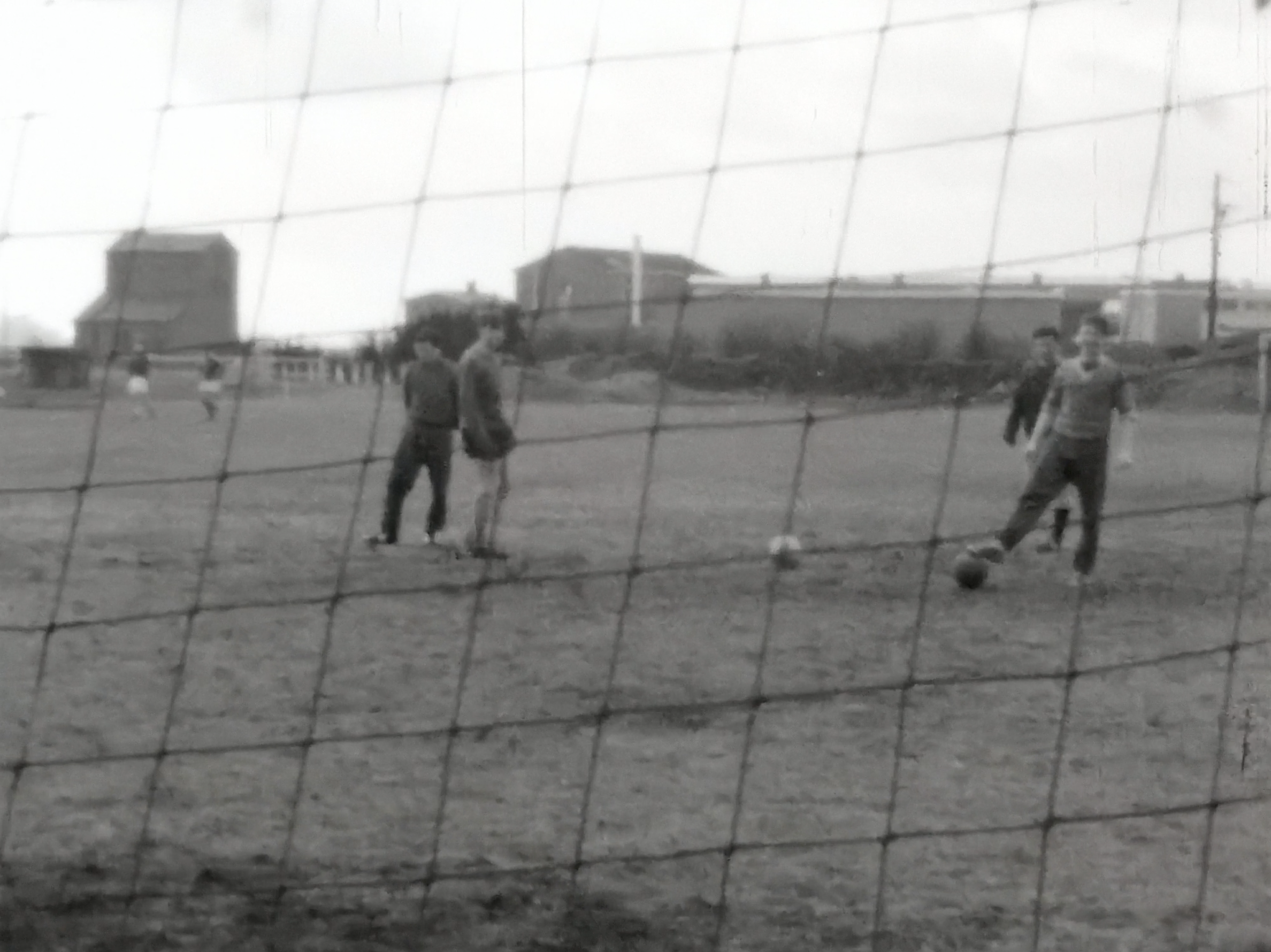
There is a glimpse of Bill Lambton during training and this marked the end of his 18 months as manager. The 1962/63 campaign culminated in another application for re-election as Chester finished 4th from bottom in Division 4. At one point in the film you can see ‘Iron Man Bill’s’ motto “Keep Fighting” on the dressing room door. His training methods were not popular with the players as they reflected his background as a Sergeant Major who had worked with the Army Physical Training Corps.

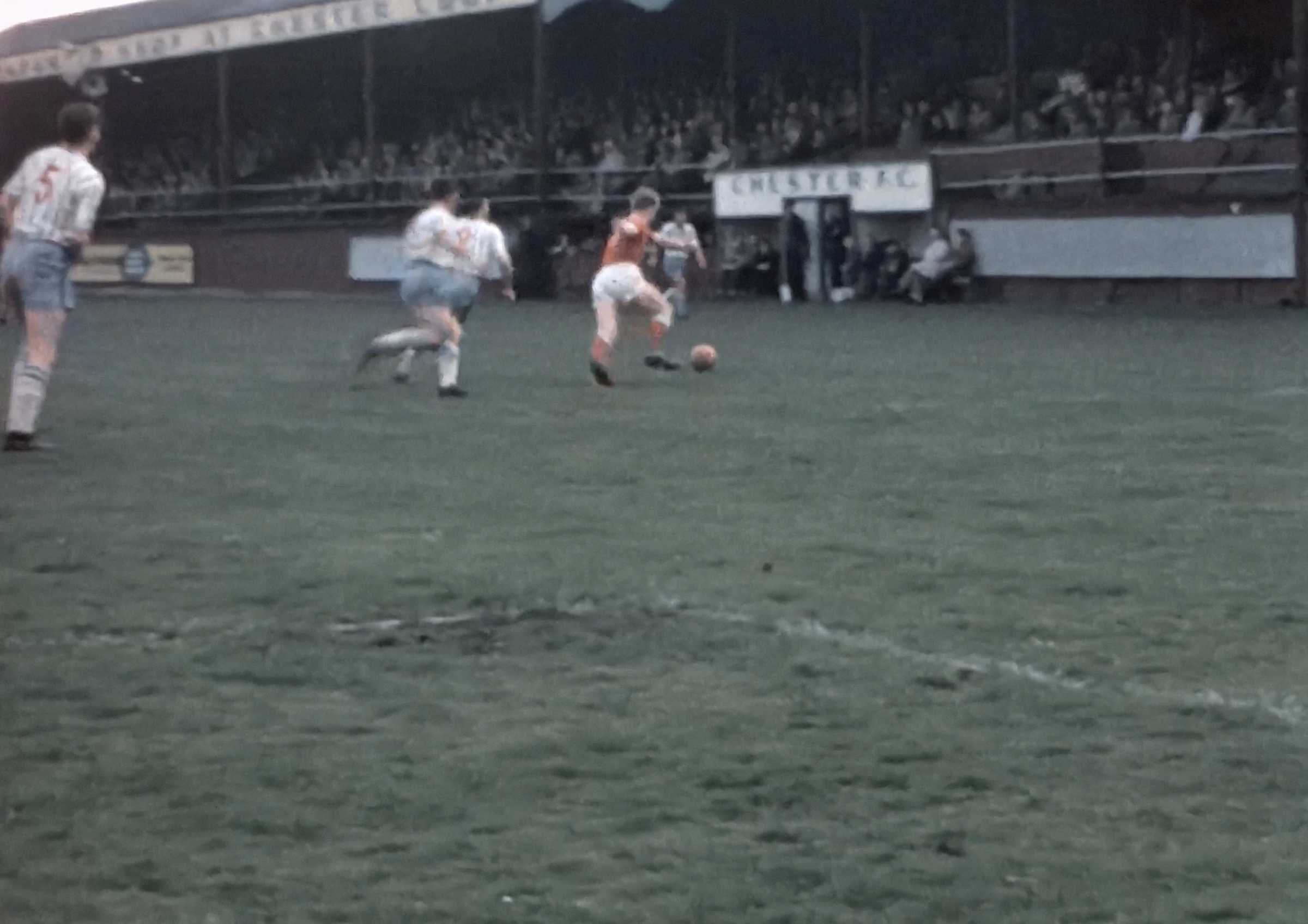
The next section of the film is more experimental before we switch to the final sequence which is eight minutes colour footage taken from behind the goal at the Kop end of the ground.

My research indicates that this is the last game of the season, a midweek fixture against Chesterfield on May 22nd, with the Spireites playing in an unfamiliar red kit. The visitors won the game 2-0 and there is a view of the first goal within the footage. The attendance was 3920.
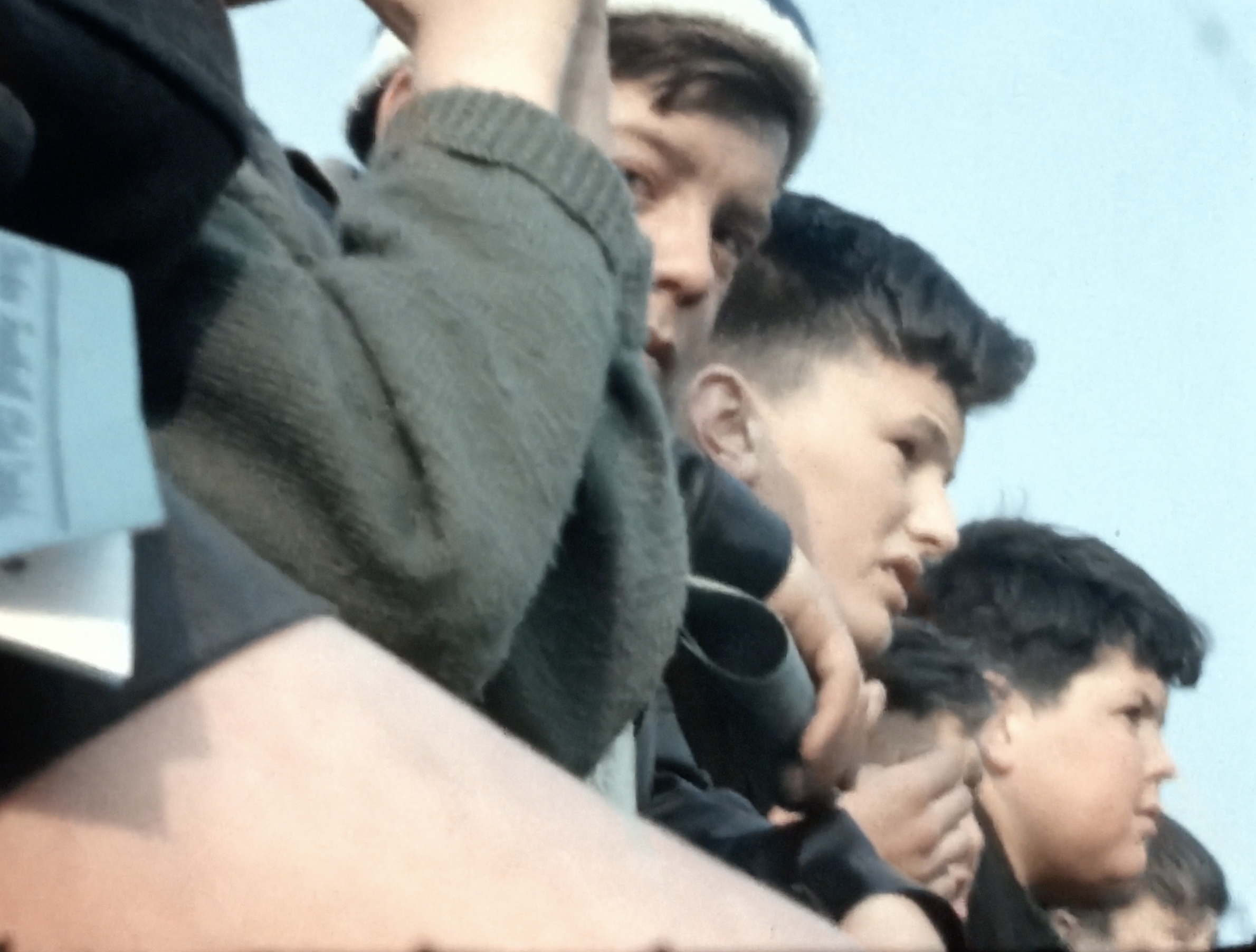
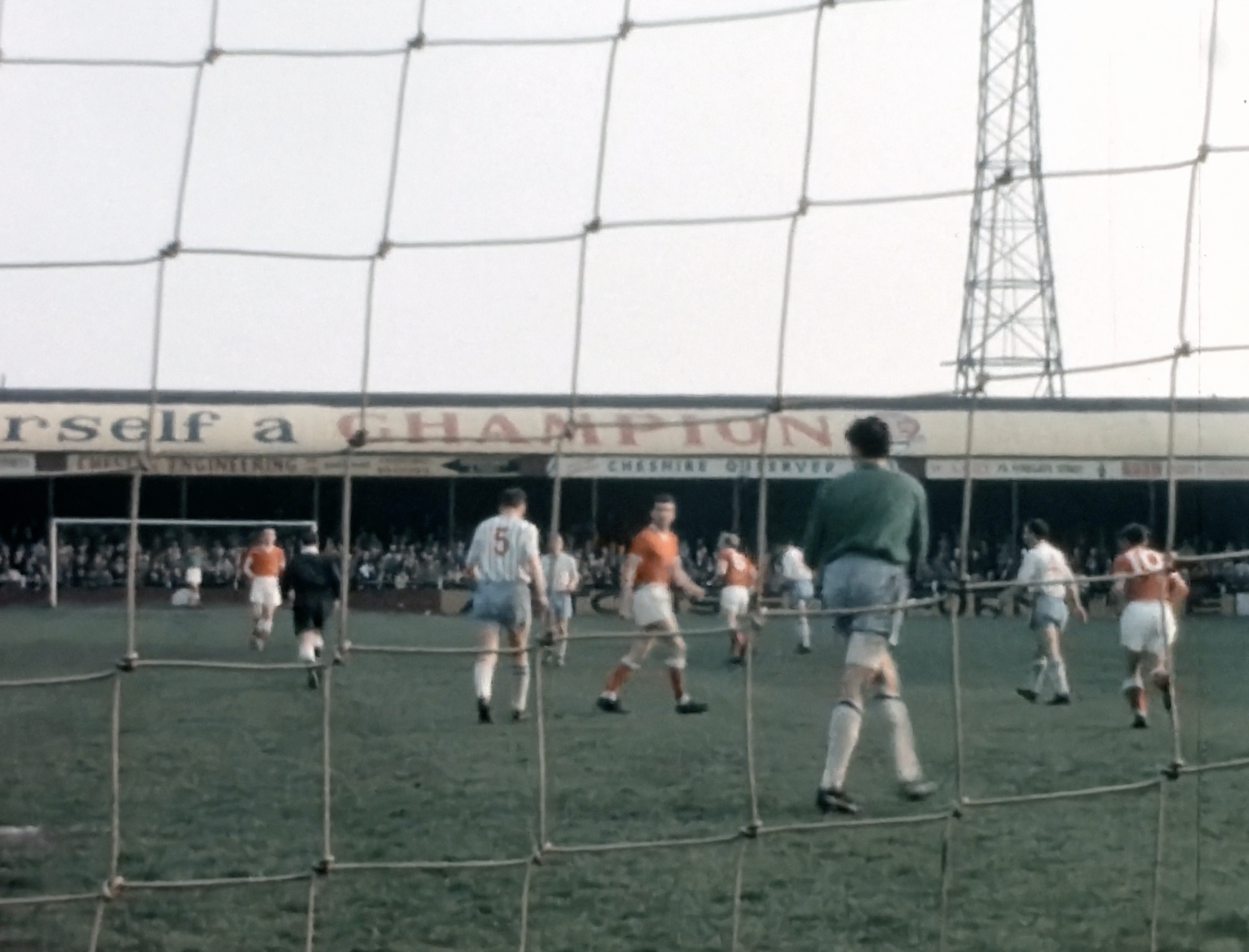
In the second half Chester are attacking the Kop with little success. The Cheshire Observer is particularly scathing of the performance calling it poor in both attack and defence with Chesterfield deserving their 2-0 victory. As an attacking force reporter Ralph Houdley stated that at no time did the forward line show any signs of being capable of winning the game. After Chesterfield had scored their second goal centre half John Butler was moved to the attack at which point Chester looked more threatening and the defender can be seen up front in the later stages of the film.

All in all it is a gem of a film and captures the era superbly. It is interesting to see different training methods and the action is very different from the current day especially the speed in which the goalkeeper releases the ball. The views of the ground will certainly bring back memories for supporters who watched the club in the 1960s.

Copyright ©  Chas Sumner http://www.chesterfootballhistory.com All Rights Reserved

Football League Application Brochure 1931

When Charlie Hewitt was appointed as Chester’s first Secretary-Manager in 1930 the club made the decision to go all out for Football League status.

Ambitious plans were put in place with admission prices increased to fund exciting new signings like ex Scottish internationals Dave Morris and Phil McCloy, Bobby Irvine the former Everton and Ireland international and crucially, Arthur Gale from West Bromwich Albion. Gale, a schoolmaster from Bury went on to score 73 goals in 39 league games as the Chester public responded to Hewitt’s exciting team.

With attendances soaring there was a real buzz in the city and the excitement was reflected in ambitious ground developments included completely covering the Sealand Road End and extensions to the main stand.

As part of the push for admission to the Football League the directors personally visited all the 1st and 2nd Division clubs and also produced an impressive 16 page booklet outlining Chester’s case. Priced at one shilling and printed by Taplen and Paddock with a card cover it appears to have been available for general purchase.

The booklet was published in April 1931, after the last home game of the season, and amongst the most fascinating details are a list of attendances and gate receipts for all home fixtures ranked from highest to lowest. Uniquely the table also publishes the weather conditions for each game and it is interesting to note that the game against Nantwich in January was played in heavy snow and still attracted an attendance of 4,043.

Highest attendance of the season was for the top of the table clash against Port Vale Reserves on Good Friday. The game coincided with the unveiling of the extension to the main stand and there were 13,000 in attendance beating the record of 11,507 set only a week earlier when Cardiff City were the visitors for a Welsh Cup 6th Round tie.

The new stand extension can be seen in one of the photos in the brochure and it was during the close season that the stand was further extended towards the Kop. The brochure itself puts the ground capacity at 16,000.

Meanwhile the Sealand Road End had been completely covered and that roof remained in place until 1987. I’m sure many people will remember being showered by rust when a stray shot hit the roof.

Also included in the brochure was information sent by the London Midland and Scottish Railway Company showing rail times and prices to all the teams in the Third Division North. Interestingly the train company states that it would be possible to arrange special trains for nearer places and matches starting late.

The brochure put forward an excellent case with a section on the city itself as well as mentioning how well the ground was served by a frequent bus service and a car park capable of holding 200 cars. As for the ground itself, mention is made of the Grand Stand equipped with electric lighting and telephone along with players’ dressing rooms that were centrally heated and possessing excellent bath accommodation. Accounts also show the club made a profit of £2250 between August 1930 and April 1931.

As a ‘special feature’ attention was drawn to amplifying equipment used to broadcast music and news with the club claiming that this innovation was the first of its kind on any football ground in England.

The booklet clearly helped Chester’s case and two years after they had recorded no votes at all they were elected into the Football League although it needed a second ballot before they took the place of Nelson.

Player Profile – Frank Wrightson

This article that I wrote about Frank Wrightson previously appeared in the Blue and White Fanzine

*******************************************************************************************************

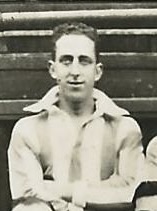
Stuart Rimmer and Gary Talbot may be remembered as Chester’s greatest Football League goalscorers with 127 and 83 goals respectively but, prior to this, the record was held by Frank Wrightson who scored an impressive 73 goals in only 89 league appearances during the 1930s. 

Born in the County Durham town of Shildon in January 1906 Frank, better known as Paddy, joined Chester from Exeter City in June 1936 for a fee of £350 with another £50 payable after 25 appearances. 

Originally employed as a blacksmith Paddy represented Ferryhill Athletic in the Northern League before joining Darlington and making his Football League debut in March 1929 against Stockport County. Sixteen goals in 36 games attracted the attention of Division 1 Manchester City who paid around £2,000 for his services in March 1930. However, he never established himself at Maine Road and after 22 games moved on to Fulham in March 1932. It was the same story at Craven Cottage where he was a peripheral figure and in 12 months only played 18 league games prior to joining Exeter City for a record fee.

From a Chester perspective it is worth noting that Paddy was a member of the Fulham team that lost 5-0 at Sealand Road in an FA Cup 3rd Round tie in January 1933. At the time the Cottagers were competing in Division Two and it arguably remains one of the club’s greatest victories in the competition. 

A move to Exeter City proved more productive and Paddy found his goalscoring boots with 25 goals in 71 appearances. He was also a member of the Grecians team that won the Division Three South cup against Torquay in 1934. He later had the distinction of featuring in the Chester team that won the Northern equivalent in both 1936 and 1937 scoring an 89thminute winner in the first of these finals, a 2-1 victory at former club Darlington.

After failing to agree terms with Exeter Paddy joined Chester with his contract specifying a payment of £4 a week in the close season and £6 a week during the playing season. He wasn’t the biggest signing of the summer as Charlie Hewitt also bought in Welsh international Ronnie Williams from Newcastle United for a record fee of £750. Both players featured in the initial game of the campaign with Williams scoring a hat trick in six minutes in an opening day 5-1 mauling of Southport at Sealand Road. While Williams remained in prolific form Paddy struggled to find the back of the net and was dropped at the end of October. 

Relegation to the reserves rejuvenated Paddy who started to score regularly for the Cheshire County League team and when Williams in turn lost his form the north-eastener returned to the first team in the number nine shirt against York. It proved to be a game to remember as Paddy scored four times in a record 12-0 victory. He proved it was no fluke by scoring hat-tricks in the next two games against Barrow and New Brighton. It marked an incredible run of 18 goals in 8 league games during February and March 1936 and factoring in the Welsh Cup and Division Three North Cup Paddy scored 26 goals in 13 games. 

This form continued in to the following season with Paddy comfortably finishing as leading scorer with 32 goals from 38 games as Chester finished 3rd in Division Three North. The 1937/38 saw Paddy score 13 goals in the first 16 games but after dislocating his shoulder against Oldham and missing a month he picked up a further injury at Rotherham and only managed four more games in the second half of the season. His bad luck with injury continued into the following campaign where he made only one appearance in August and was given a free transfer in summer 1939. 

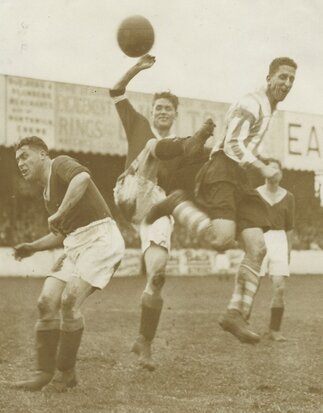
Frank Wrightson in action v Barrow – Oct 1935

With war breaking out in September Paddy’s football career appears to have ended and he passed away in 1979.

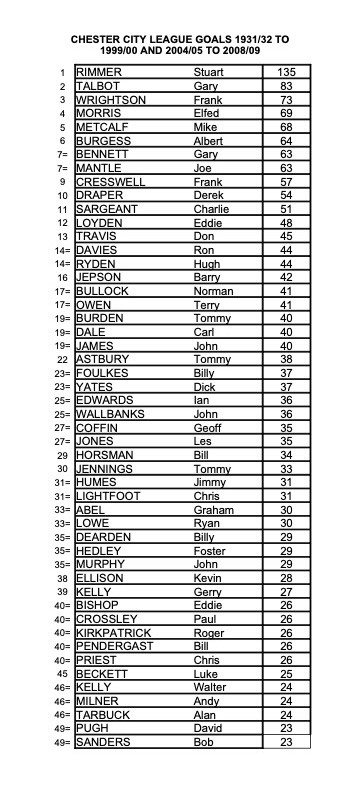
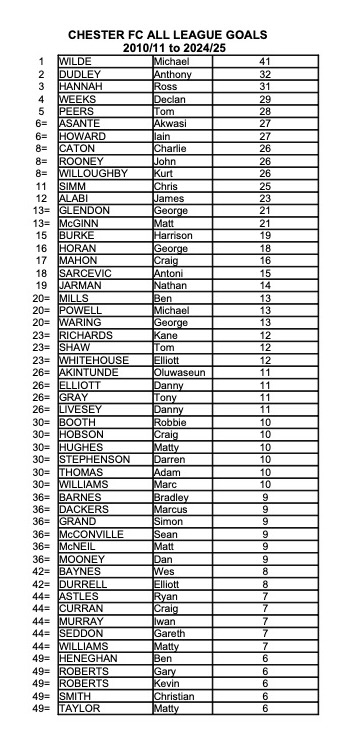
Top 50 Goals Scored

Having listed the top 50 appearances for Chester in the Football League along with Chester FC since 2010 it seemed reasonable to list the top 50 goalscorers during the same period.

The Football League details cover the period from the 1931/32 season to 1999/200 and then from 2004/05 to 2008/09. Once again the figures do not include the Conference years. During this period there were 4127 league goals and 424 different goalscorers. 89 of the goals were own goals.

League goals scored between 2010/11 and 2024/25 includes the 32 goals from the aborted 2020/21 campaign bringing the total number of goals scored to 1020 of which 17 were own goals. The remaining 1003 were split amongst 166 players and these are the top 50 (actually its top 53).

Copyright ©  Chas Sumner http://www.chesterfootballhistory.com All Rights Reserved

Barney Daniels (1950-2025)

Barney Daniels, who became Chester’s record signing in summer 1975, has passed away at the age of 74. A stocky striker with a powerful shot Chester never saw the best of the centre forward and he only managed nine Football League appearances for the club before departing for Stockport County where he was more successful.

Signed as an amateur by Manchester United Barney spent two years at Old Trafford before moving on to Salford Amateurs but it was his goalscoring prowess at Ashton United that attracted the attention of Manchester City who signed him for £1,000. He made an explosive start at Maine Road with two goals on his debut in a 4-1 televised win against Leicester City and went on to make 10 appearances in the 1974/75 season. 

In July 1975 Ken Roberts brought Barney to Sealand Road in order to bolster the attacking options following promotion to Division Three. Chester paid a reported £25,000 for the Salford born player and Roberts saw him as a strong and quick striker who could cause defences problems. After making his debut as a substitute, in a League Cup tie at Wrexham, Barney made his first full start in Chester’s opening Division Three home fixture against Southend United. Although he was on target with a 25 yard effort this was as good as it got and his only other goal for the club came in an 8-1 thrashing of Kidderminster in the Welsh Cup. Four days after the Southend game Barney was substituted in the return leg of the League Cup tie against Wrexham and reacted angrily by throwing his shirt to the ground and storming into the dressing room. Although he apologised for the gesture he was disciplined by the club and thenceforth found it difficult to make an impact.

At the end of the 1975/76 campaign Barney was released by Chester and joined Stockport County where he showed Chester what they had been missing by scoring 11 goals in his first 11 league games. He went on to finish leading scorer for County and after dropping out of the Football League had further spells with Ashton United, Hyde United and Prestwich Heys.